Flooring
Browse the Licata flooring range, manufactured to the highest standards and available from our six branches across the UK.
Tile adhesives, grouts, levelling compounds and preparation products for flooring installations in residential, commercial and public buildings. The right adhesive depends on the tile, the substrate and the conditions in service, and the difference matters most where movement is involved. Deformable S1 adhesives absorb the expansion and contraction cycles of heated screeds that non-deformable products cannot resist. Licata flooring products cover porcelain and large format tiling, waterproofed wet rooms and underfloor heating, all supplied as complete tested systems.
Flooring
Floor levelling, screeds, primers and tile adhesives for internal and external flooring applications.


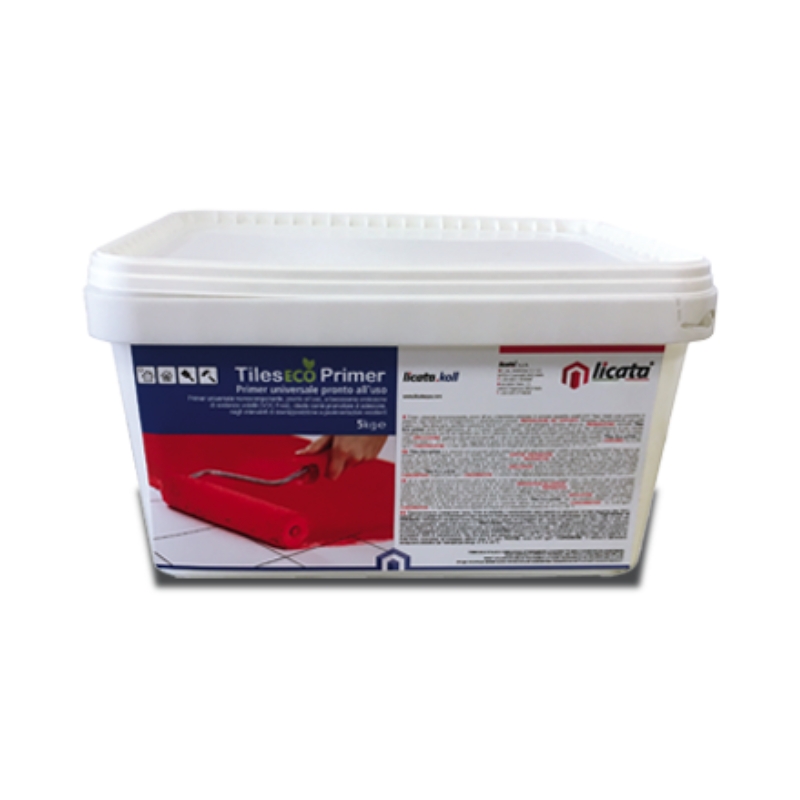
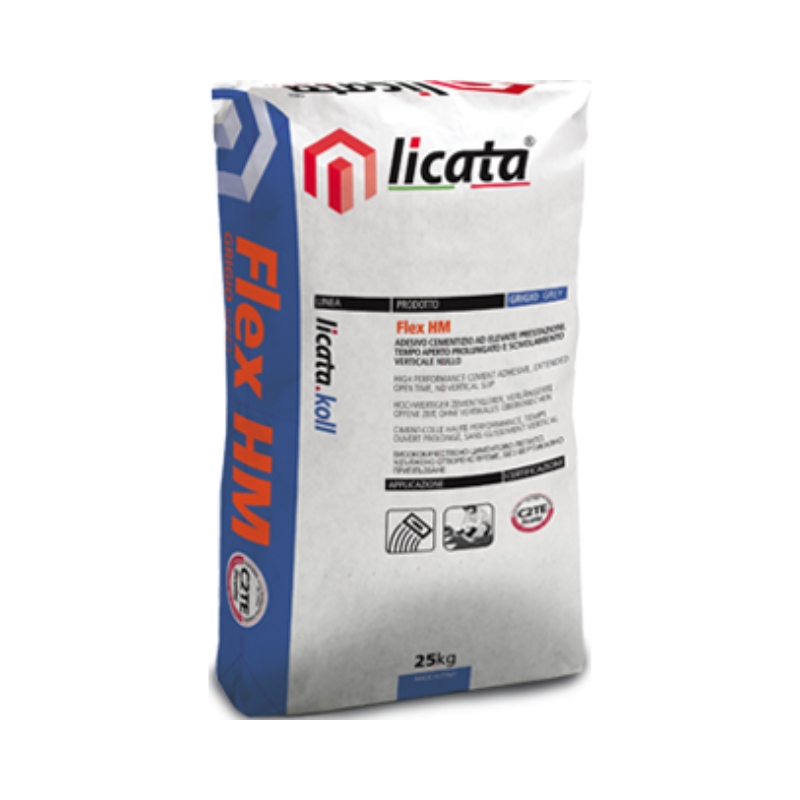
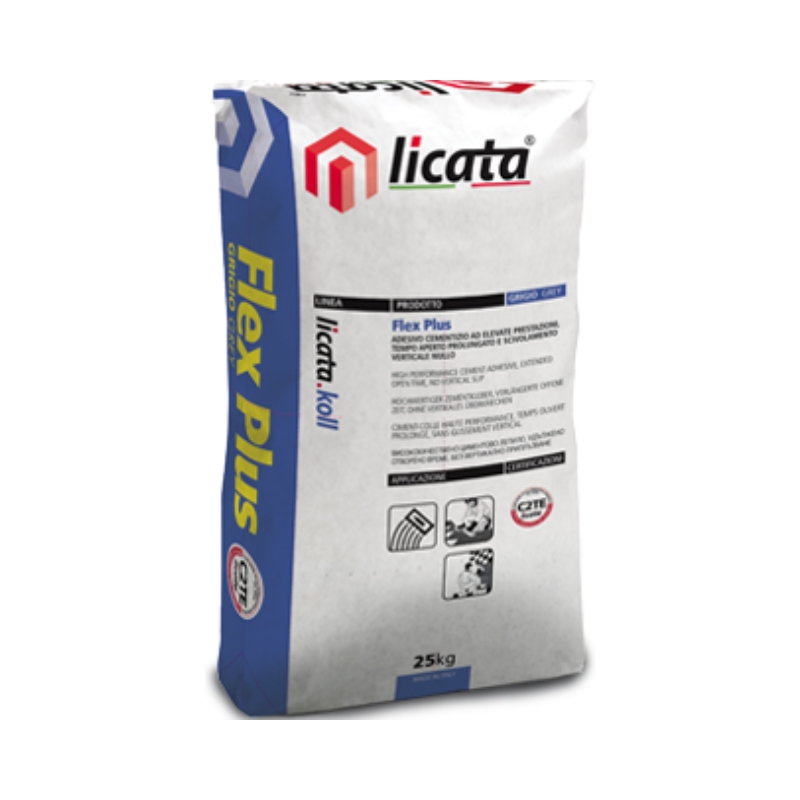


Tile adhesives, grouts and flooring products
Licata supplies tile adhesives, grouts, levelling compounds and substrate preparation products for flooring installations in residential, commercial and public buildings, from standard porcelain floors through to waterproofed wet rooms and tiling over underfloor heating.
Understanding adhesive classification
Tile adhesives are classified under EN 12004, and the code tells you what the product will do. C2 denotes an improved cementitious adhesive, T indicates no vertical slip, and E means extended open time, which matters when setting large format tiles that take longer to position accurately.
The letter that matters most on difficult installations is S. An S1 adhesive is deformable, meaning it flexes rather than transmitting substrate movement straight into the tile. That is what allows a floor to survive the expansion and contraction cycles of a heated screed, and it is why non-deformable adhesives fail over underfloor heating no matter how well they are applied.
Tiling over underfloor heating
A heated screed expands and contracts every time the system cycles. A rigid adhesive has nowhere to put that movement, so it transfers into the tile and the bond, and the result is hollow-sounding tiles, cracked grout joints and eventual detachment.
A deformable S1 adhesive absorbs the movement within the adhesive layer. Combined with correct commissioning of the heating system before tiling and appropriate movement joints, it produces a floor that lasts.
Large format tiles
Large format tiling has become standard and brings its own requirements. Larger tiles need extended open time so they can be positioned and adjusted before the adhesive skins over. They demand a flatter substrate, because tolerance that is invisible under a 300mm tile becomes lippage under a 1200mm one. And they generally require solid bed coverage rather than ribbed application, particularly in wet areas and on floors taking traffic.
Substrate preparation
Most tiling failures start below the adhesive. Levelling compounds correct substrate variation before tiling begins, which is far easier than trying to accommodate it in the adhesive bed. Primers regulate suction so the adhesive cures at a consistent rate rather than drying out where the substrate is thirsty.
- Porcelain stoneware on new cement screeds
- Large format ceramics requiring extended working time
- Waterproofed marble and natural stone in wet rooms
- Tiling over radiant and underfloor heating systems
- Commercial and public building floor installations
Supply across six UK branches
Flooring products are stocked in Twickenham, Southgate, Dartford, Wickford, Birmingham and Manchester, with trade counter collection and delivery available. Our technical team can confirm the right adhesive and grout for the tile, the substrate and the conditions in service.
Planning a flooring installation? Tell us the tile, the substrate and whether underfloor heating is involved, and we will confirm the right system. Contact us or view our flooring systems.