Aircrete Blockwork Render System
Home/ Systems/ Render Systems/ Aircrete Blockwork Render System

Aircrete Blockwork Render System

Aircrete Blockwork Substrate Silicone or Acrylic Finish
Overview

Rendering aircrete blockwork

Aircrete blocks, the lightweight autoclaved aerated concrete blocks often known by brand names such as Thermalite or Celcon, are widely used in modern construction for their excellent thermal performance and light weight. But they present a specific rendering challenge: aircrete is soft, porous and highly absorbent, and the blocks move with thermal expansion and contraction. A hard, rigid render such as traditional sand and cement will crack as the blocks move.

The Licata aircrete blockwork render system is designed specifically for this substrate. It uses a primer to regulate the block's high suction, a polymer-modified basecoat reinforced with fibreglass mesh for crack resistance, and a flexible, breathable through-coloured thin coat render finish, producing a durable, weather-resistant facade that moves with the substrate rather than cracking against it.

Benefits

Why this system for aircrete blockwork?

Suction Control

A primer regulates the high suction of porous aircrete blocks, ensuring the basecoat bonds reliably without drying out too fast.

Crack Resistance

Fibreglass mesh embedded in the basecoat distributes stress and accommodates block movement, preventing cracking.

Flexible Finish

A flexible thin coat render moves with the lightweight blocks as they expand and contract, unlike rigid sand and cement.

Breathable

High vapour permeability lets the wall release moisture, important for the thermal performance of aircrete construction.

Water Repellent

A water-repellent silicone finish protects the absorbent blocks from rain while keeping the facade clean.

Through-Coloured

Available in over 700 colours, the through-coloured finish never needs painting and will not fade or peel.

System Build-Up

Layer-by-layer system specification

The Aircrete Blockwork Render System is Licata's render specification for direct application over aircrete (AAC) blockwork substrates. Aircrete is a highly absorbent, relatively soft substrate, so Aggrappante LG bonding primer is required to seal the surface and provide a stable base for the basecoat.

Raso R140 or Raso W160 can be specified as the basecoat. The finish coat can be Siloxan Color silicone render or Lerici acrylic render depending on performance and budget requirements.

Aircrete Blockwork Render System Build-Up
System Layers

Products

1
Layer 1: Substrate
Aircrete Blockwork
Aircrete (AAC) blockwork, new or existing. Must be structurally sound, clean and free from dust, contamination and organic growth. Aircrete is highly absorbent, so always prime before applying the basecoat.
2
Layer 2: Substrate Primer
Aggrappante LG
Bonding primer required on aircrete blockwork. Seals the highly absorbent surface, reduces suction and provides a stable base for the basecoat. Apply a full, even coat and allow to dry before applying the basecoat.
3
Layer 3: Basecoat
Raso R140 or Raso W160
Raso R140 is a polymer-modified cementitious basecoat and adhesive, suitable for aircrete and other masonry substrates. Raso W160 is a lightweight polymer-modified basecoat, lower in density and easier to work. Apply to the required thickness and embed the fibreglass mesh whilst still fresh.
4
Layer 4: Reinforcement
Fibreglass Mesh
Alkali-resistant fibreglass reinforcement mesh, embedded into the fresh basecoat. Minimum 100mm laps at all joints. Apply additional diagonal mesh at all openings and corners to prevent cracking.
5
Layer 5: Topcoat Primer
Isolante LG
Silicone-based topcoat primer, applied over the fully cured basecoat to consolidate the surface and provide uniform, controlled absorption for the render finish.
View product
6
Layer 6: Render Finish
Siloxan Color or Lerici
Siloxan Color is a silicone render finish: highly water-repellent, breathable, anti-mould. Preferred for exposed elevations. Lerici is an acrylic render finish, cost-effective and durable, available in a wide range of textures and colours.
Products in This System

Full system, supplied by Licata

Aggrappante LG

Aggrappante LG

Bonding primer. Required on aircrete to seal suction and prepare for the basecoat.

View product
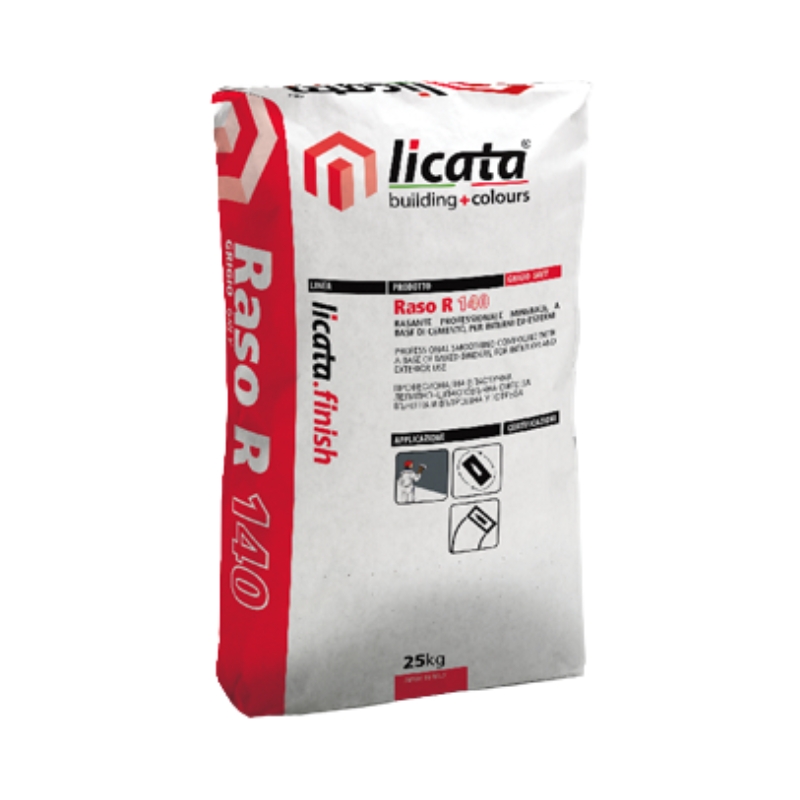
Raso R140

Raso R140

Polymer-modified basecoat. Layer 3 option for aircrete and masonry substrates.

View product
Raso W160

Raso W160

Lightweight polymer-modified basecoat. Layer 3 option for standard conditions.

View product
Isolante LG

Isolante LG

Silicone topcoat primer. Consolidates the basecoat and controls absorption for the render finish.

View product
Siloxan Color

Siloxan Color

Silicone render finish. Water-repellent, breathable, anti-mould. Layer 6 option.

View product
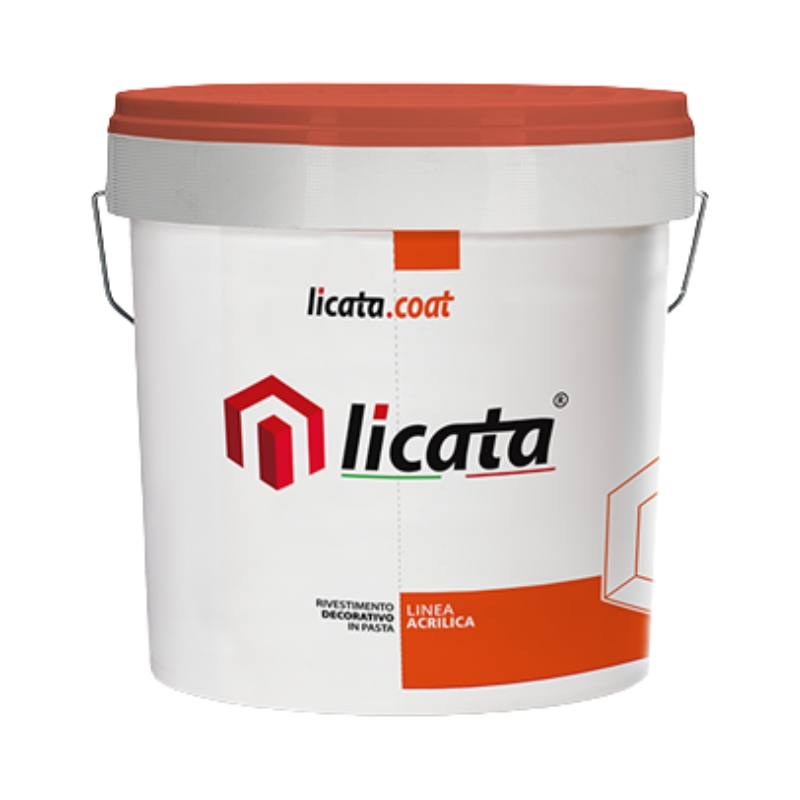
Lerici

Lerici

Acrylic render finish. Durable, with a wide colour and texture range. Layer 6 option.

View product
Common Questions

Aircrete blockwork render FAQs

Can you render directly onto aircrete blocks?
Yes, when the correct render system is used. Aircrete blocks are soft, porous and absorbent, so a primer is applied first to regulate suction, followed by a polymer-modified basecoat with fibreglass mesh and a flexible thin coat finish. This system bonds reliably and resists cracking, unlike rigid sand and cement render.
Why can't I use sand and cement render on aircrete?
Aircrete blocks are lightweight and move with thermal expansion and contraction. A hard, unforgiving render like sand and cement cannot accommodate that movement and will crack. A flexible thin coat render system moves with the blocks, avoiding this problem.
Do aircrete blocks need priming before rendering?
Yes. Priming is strongly recommended. Aircrete is highly absorbent, so a primer regulates suction and prepares the substrate, helping the basecoat adhere properly and preventing premature drying that would weaken the bond.
What finishes are available?
The system can be finished with a silicone, acrylic or silicate thin coat render in over 700 colours, plus RAL and bespoke colour matching. Silicone is the most popular for its water repellency and breathability.
How long will an aircrete render system last?
A correctly specified and applied system lasts for decades, with the through-coloured finish typically performing for 25 years or more with minimal maintenance.

Specify this render system

Contact our technical team for product quantities, NBS specification clauses and project-specific advice.