Clay brick slips
Genuine fired clay thin brick cladding for external wall insulation and new build

Licata clay slips are a versatile thin brick cladding that simulates the look of traditional clay brickwork whilst providing greater insulation and more flexibility of style and application. Real fired clay at the face, suitable for both low-rise and high-rise buildings, and equally adaptable to exterior and interior use.
Real brick at the face, without the wall
It is hard to beat the look and feel of natural brick, whether on a building exterior or interior. But brick is not always a practical or affordable option. Full brickwork needs foundations, cavity ties and a bricklaying programme, and on an insulated facade it needs a support system to carry the load back to the structure.
Clay brick slips remove that problem while keeping genuine fired clay at the surface. Each slip is a thin section of real brick, bonded to the system build-up and pointed like conventional brickwork. Close up and at distance, the elevation reads as brick because the material is brick.
These handsome, easy to install brick slips provide not only an affordable way to achieve the aesthetic you are after but also impressive insulation capabilities when specified as the finish to a Licata external wall insulation system. They are offered in a variety of textures, colours and finishes, and are suitable for both low-rise and high-rise buildings.
Specified where the brick has to be real
On conservation work, planning-conditioned elevations and prestige schemes, a brick appearance is not enough on its own. The specification calls for clay, and clay brick slips are how that is delivered on an insulated or frame-built wall.
Genuine fired clay
Real brick material at the face, with the depth of colour, surface variation and weathering behaviour that only fired clay produces. It does not need to imitate brick because it is brick.
Authentic detailing
Pointed in the same way as conventional brickwork, with mortar colour selected to suit. Corner units maintain the bond around returns and reveals so the illusion holds where it matters most.
Planning and conservation
Where consent requires a brick match to surrounding stock, or where the building sits within a conservation area, clay slips satisfy the condition without abandoning the insulation strategy.
Low and high-rise
Suitable for both low-rise and high-rise buildings when installed as part of the appropriate certified system build-up.
Texture and colour range
Offered in a variety of textures, colours and finishes, from smooth and wirecut through to heavily textured and reclaimed appearances.
Interior and exterior
Equally adaptable to exterior and interior applications, which makes clay slips a common choice for feature walls, entrance halls and commercial fit-out as well as facades.
Our clay brick slip range
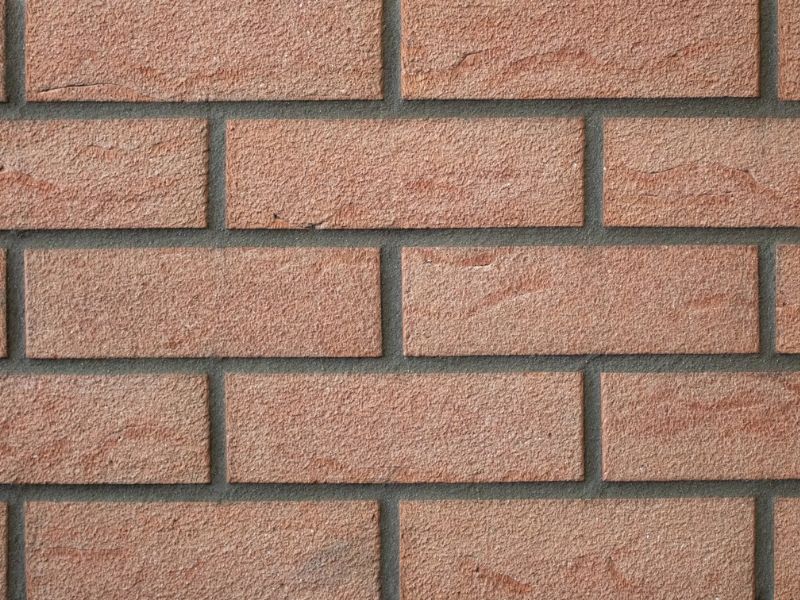
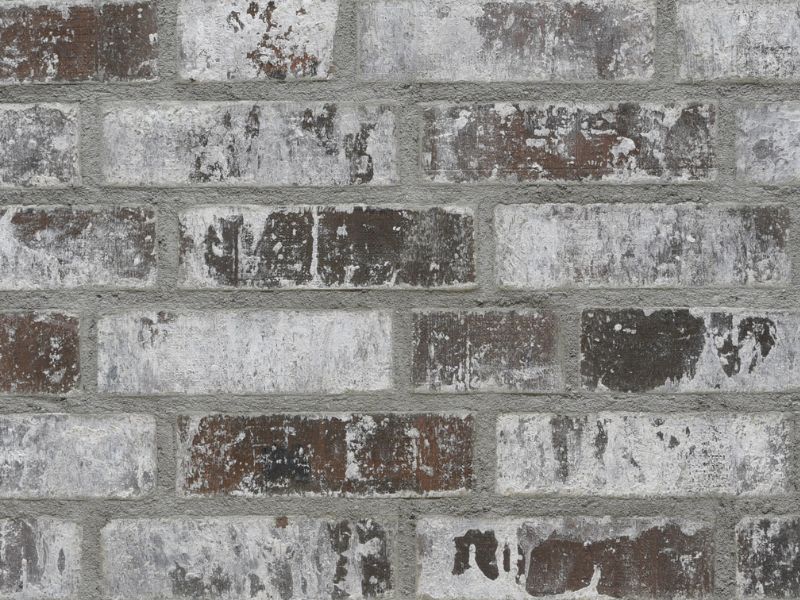
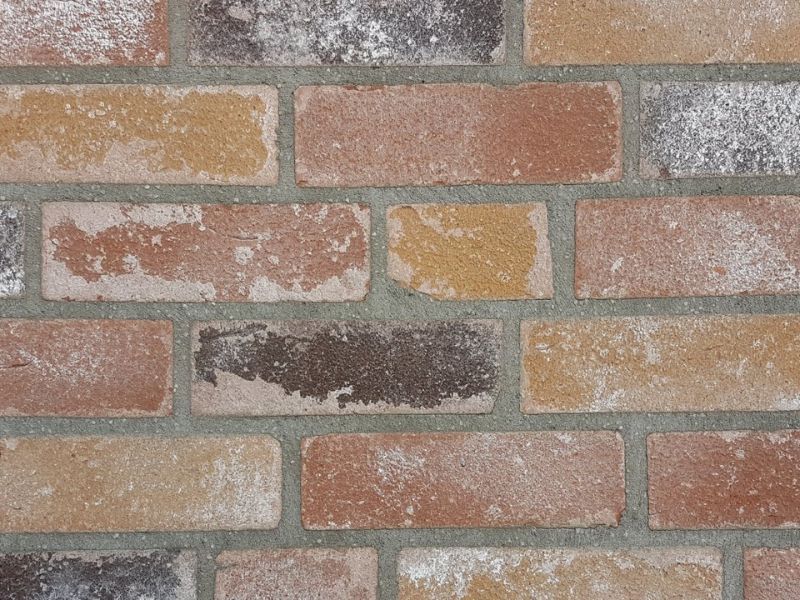
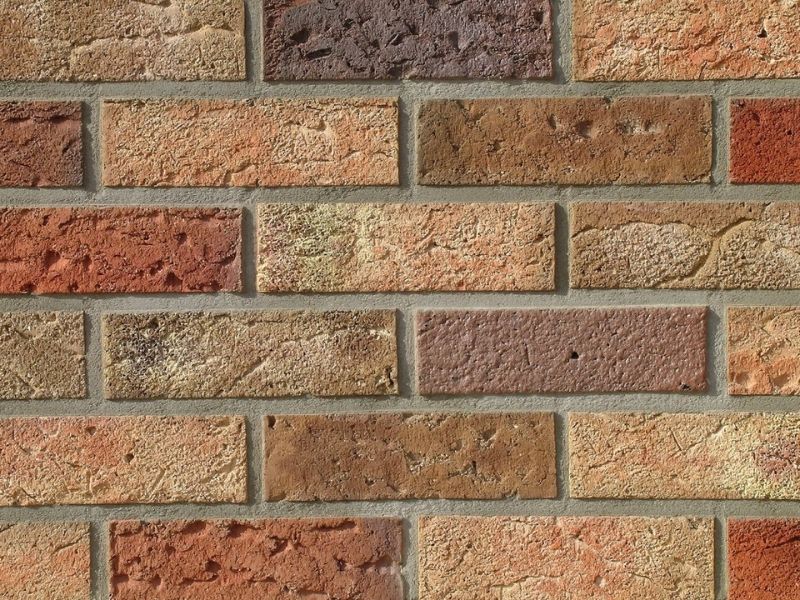
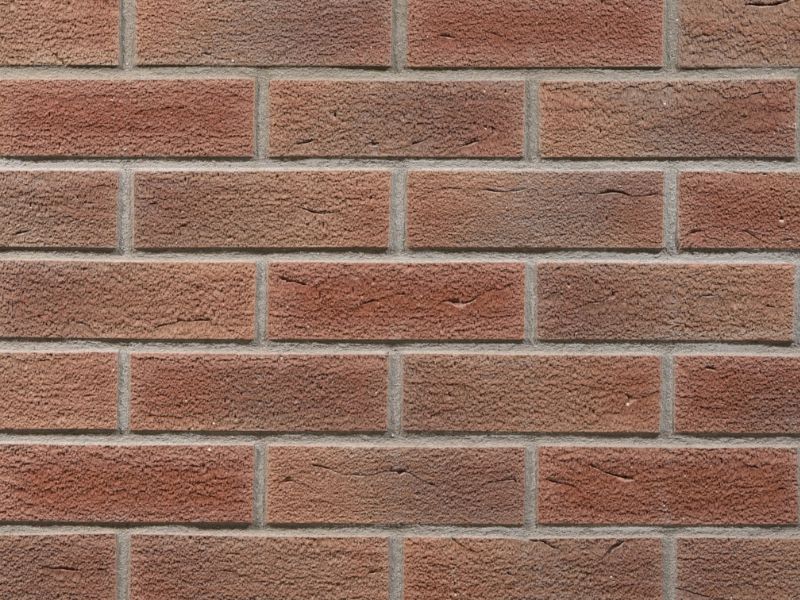
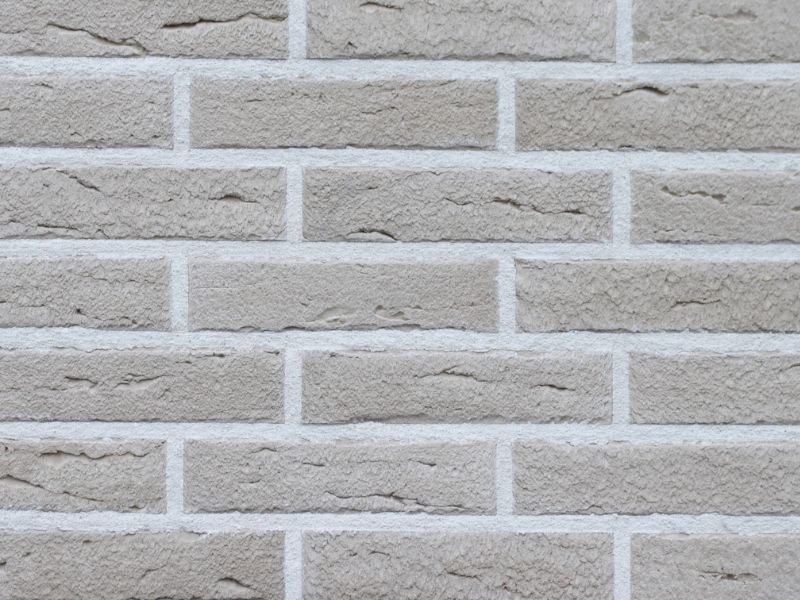
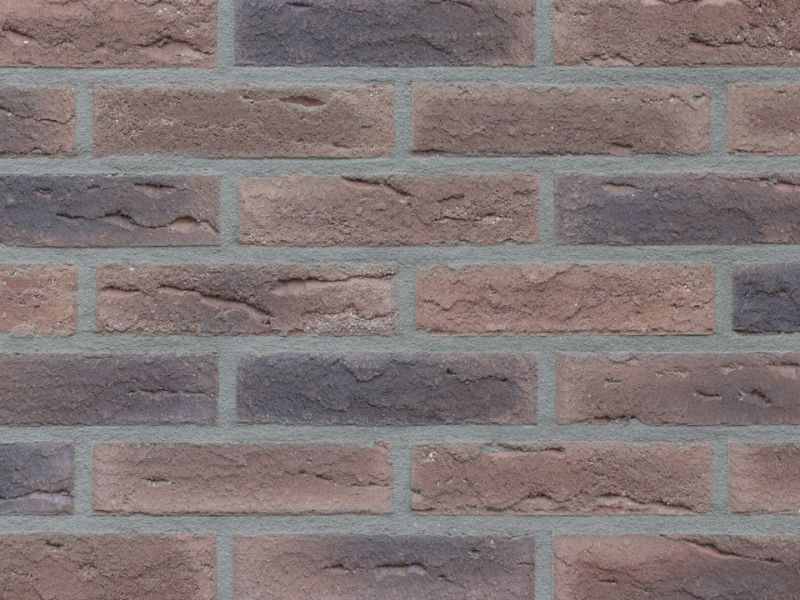
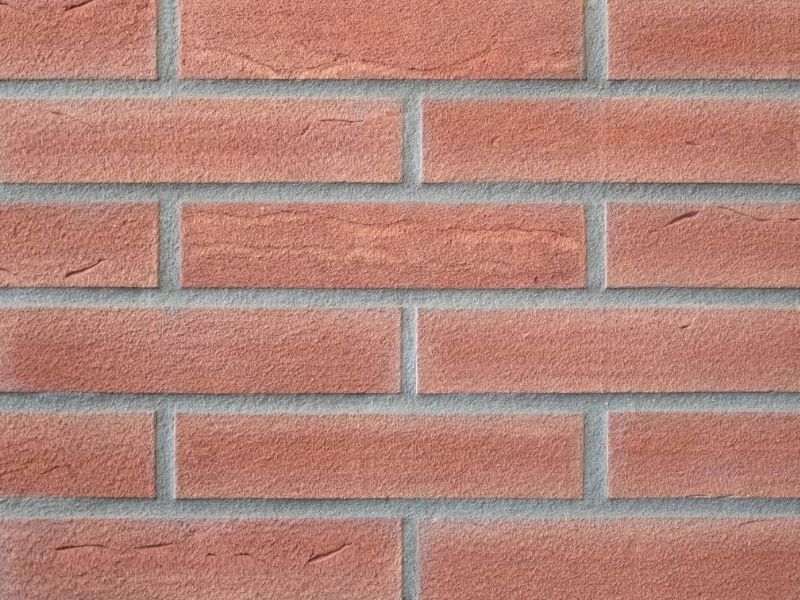
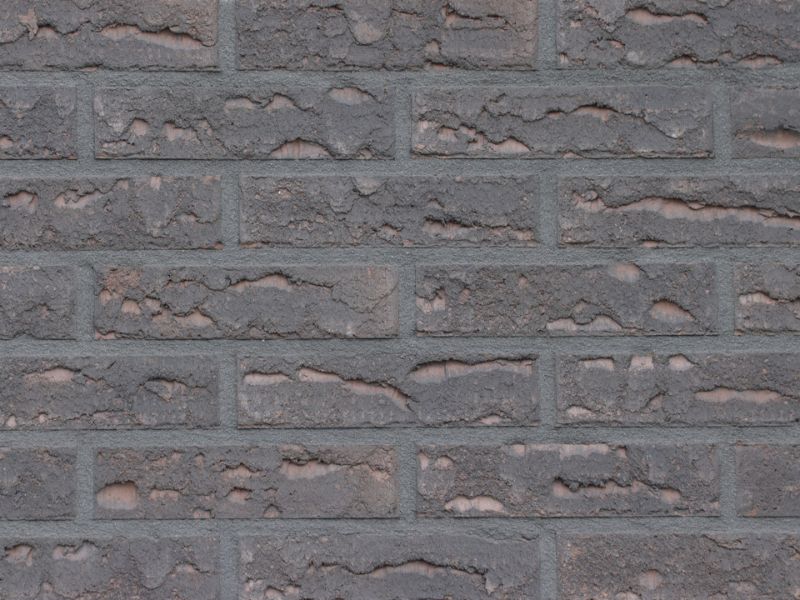
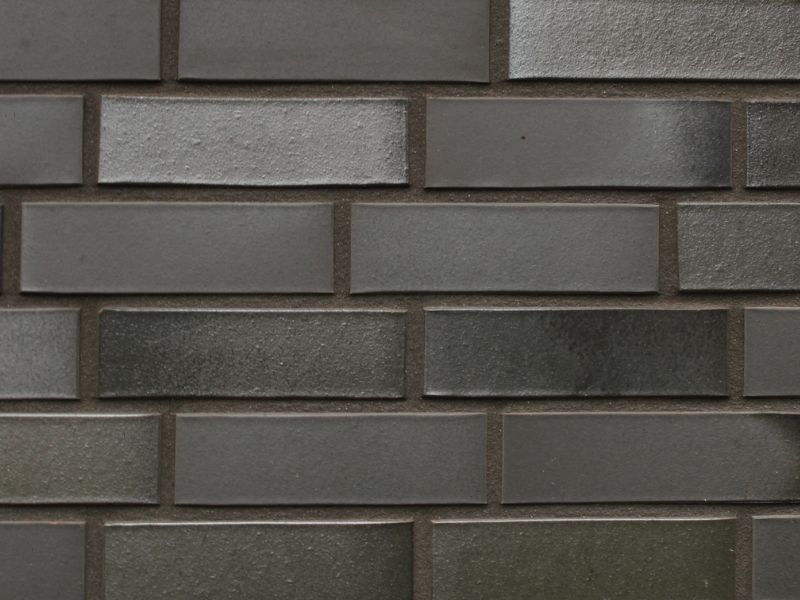
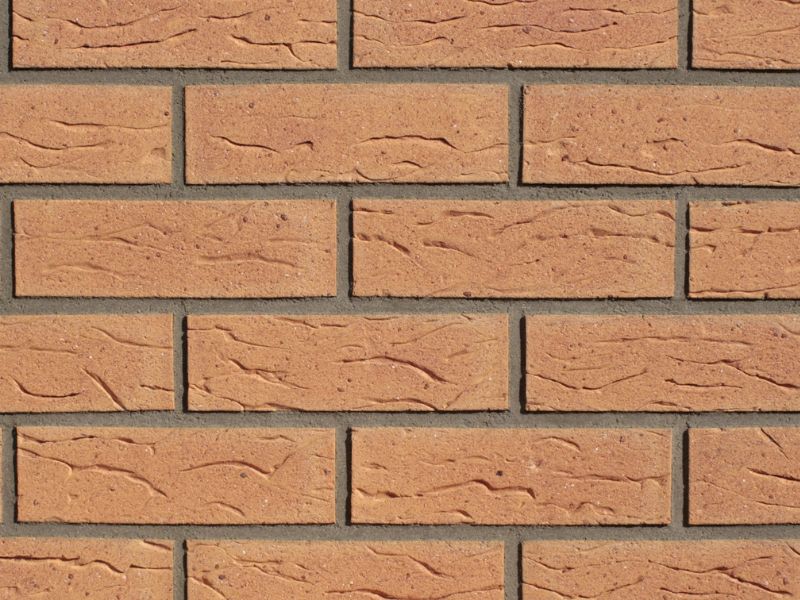
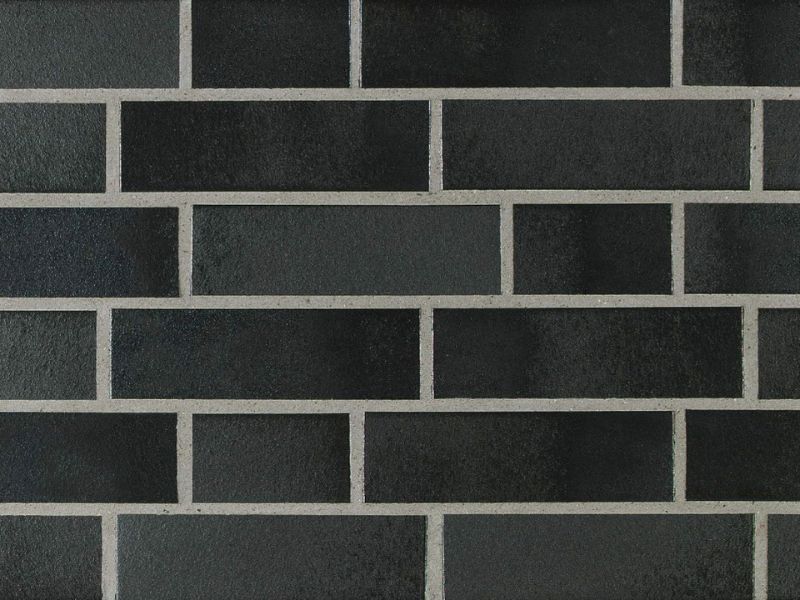
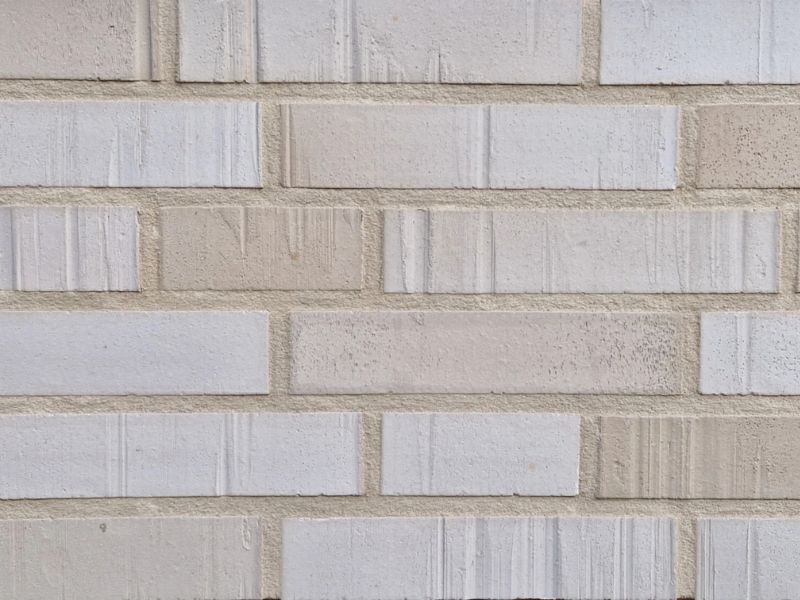
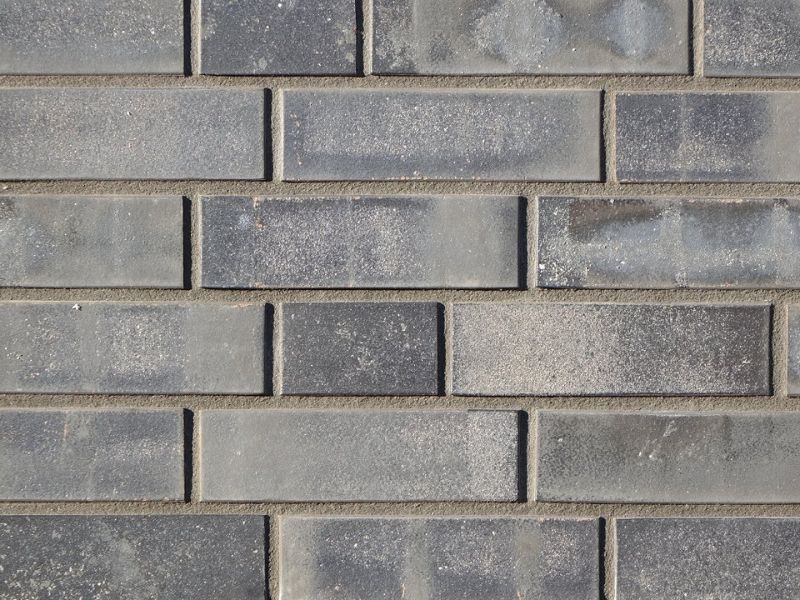
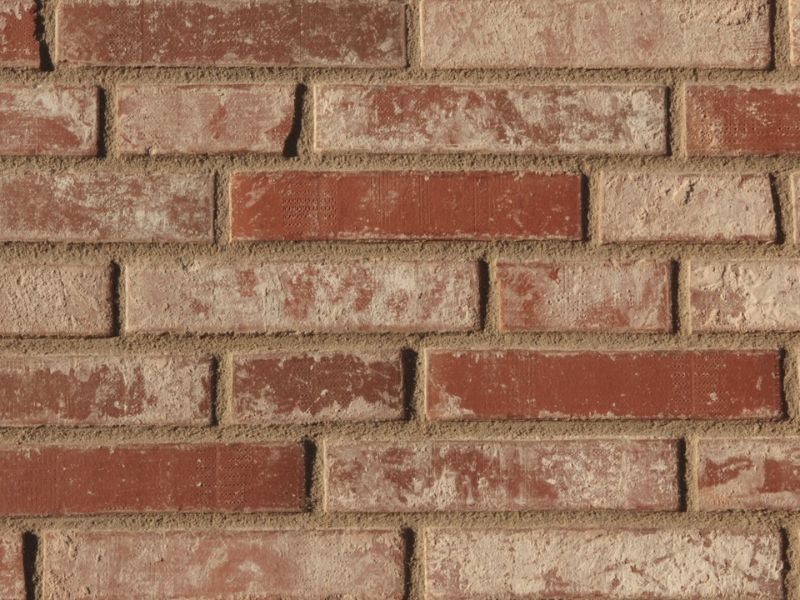
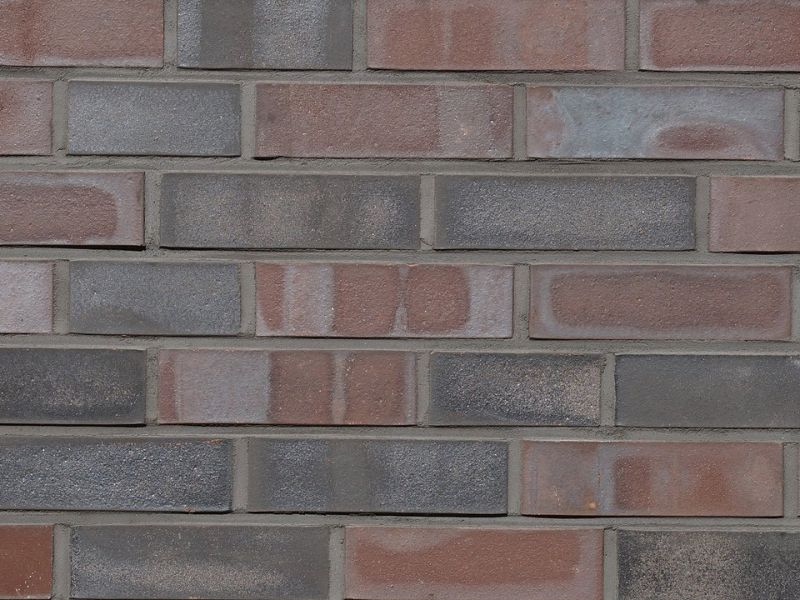
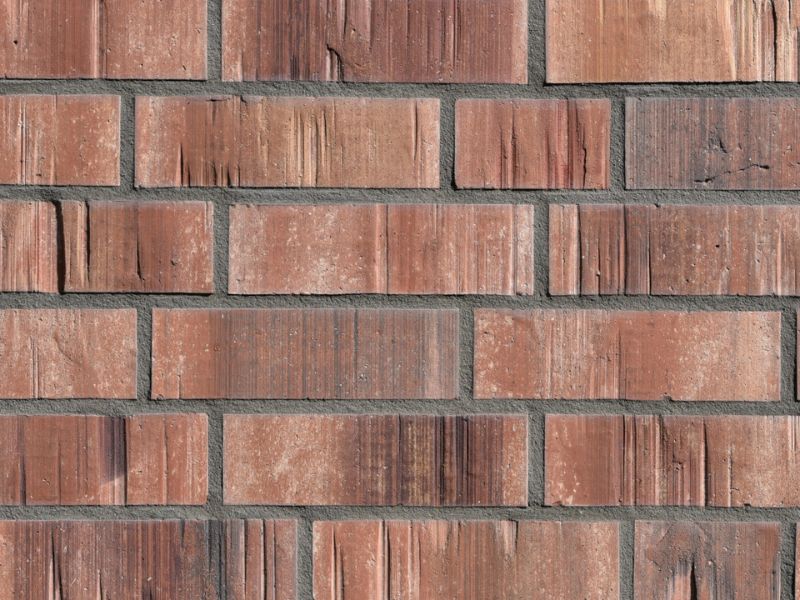
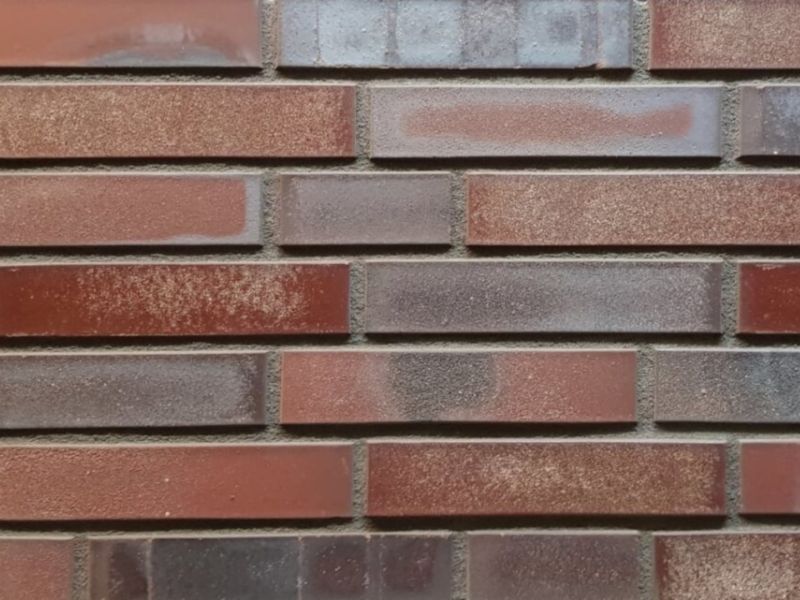
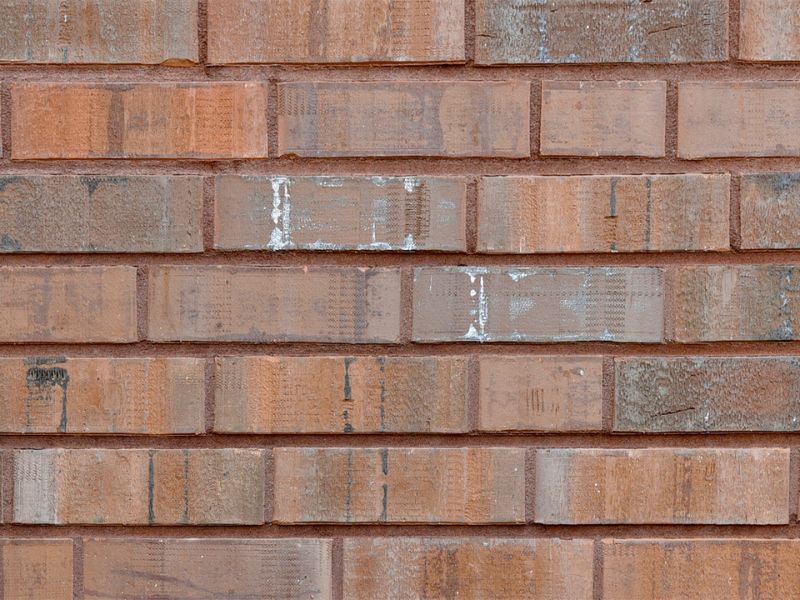
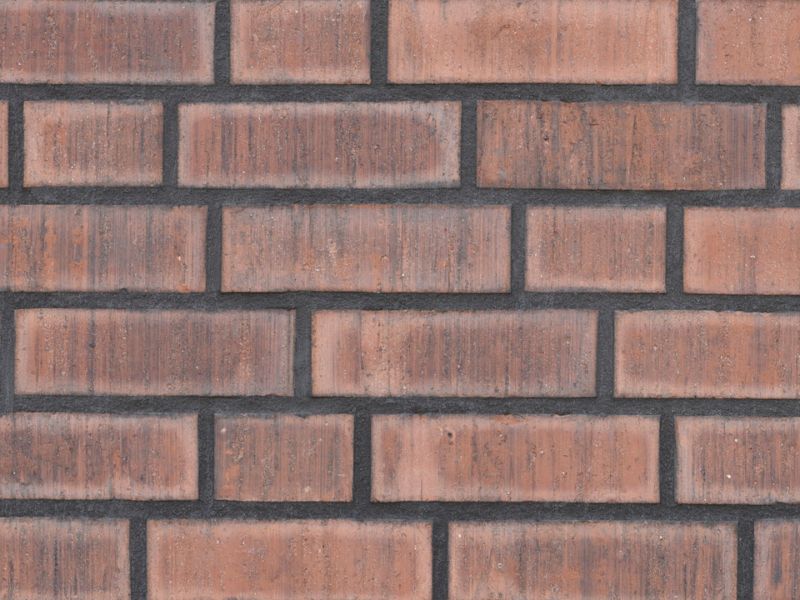
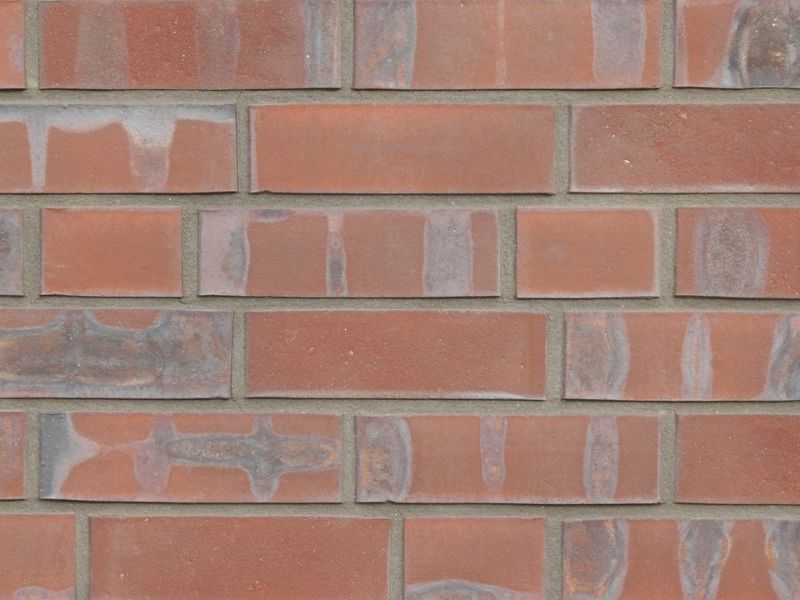
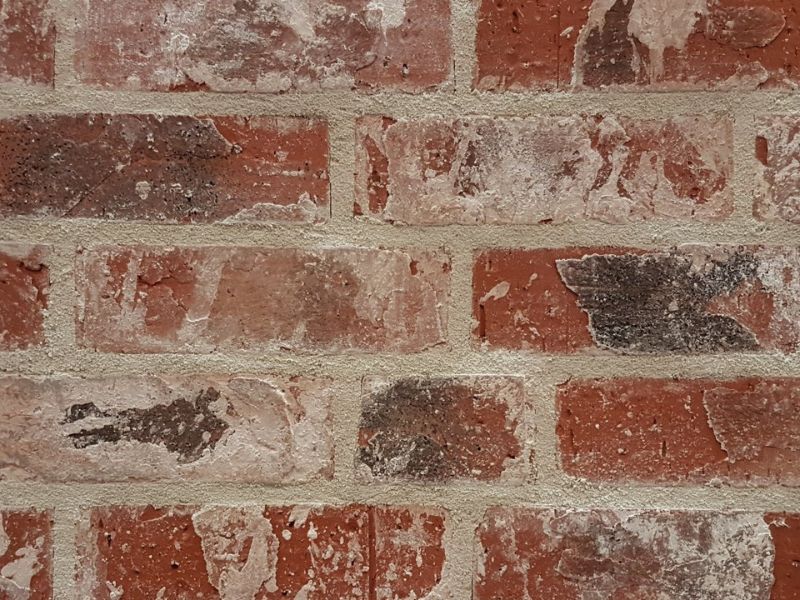
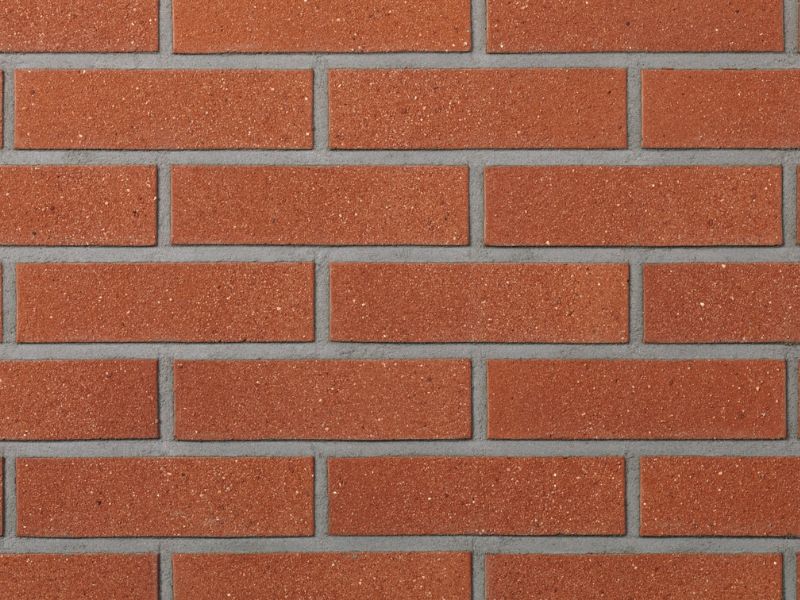
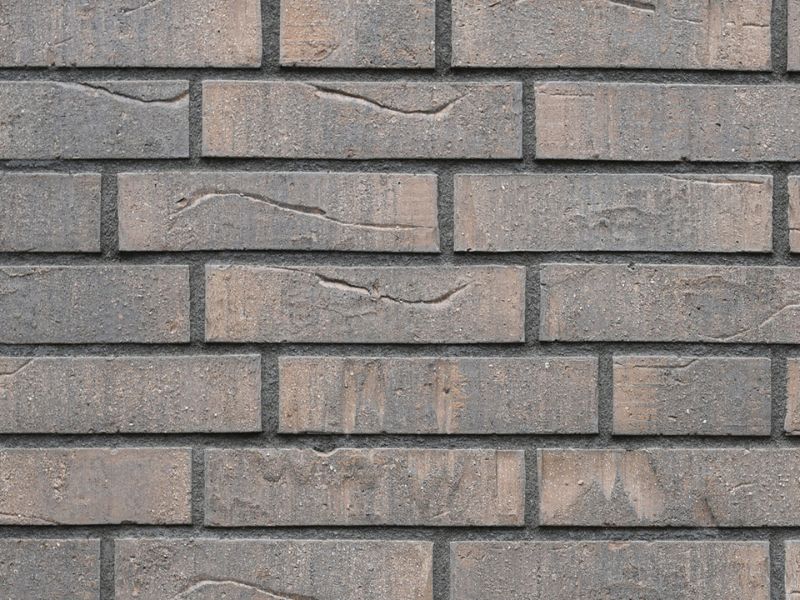
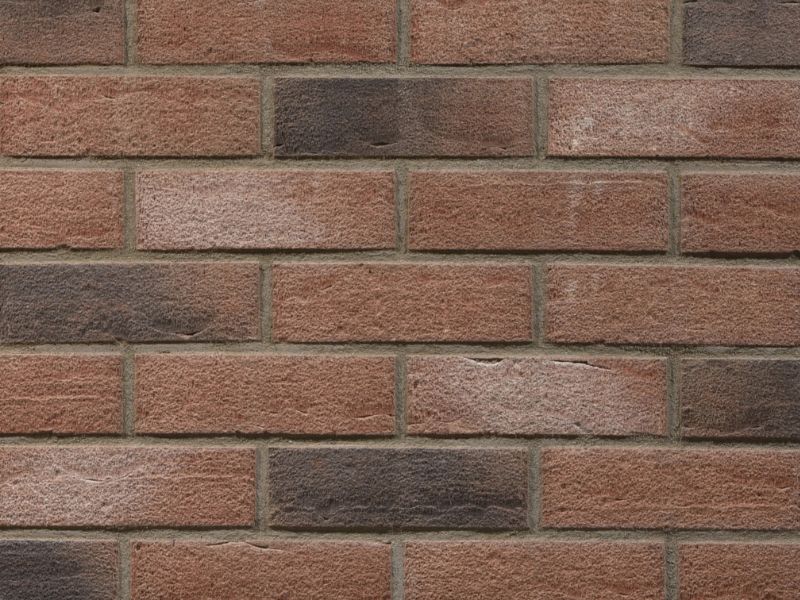
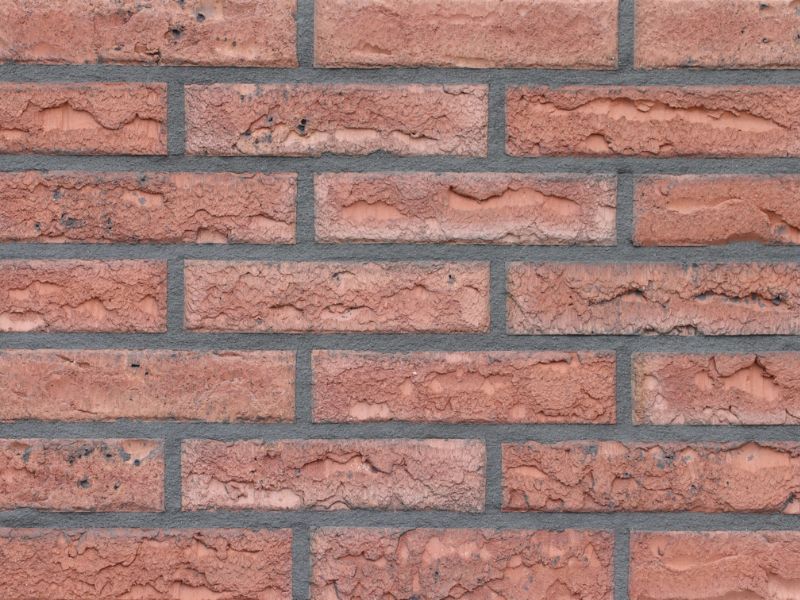
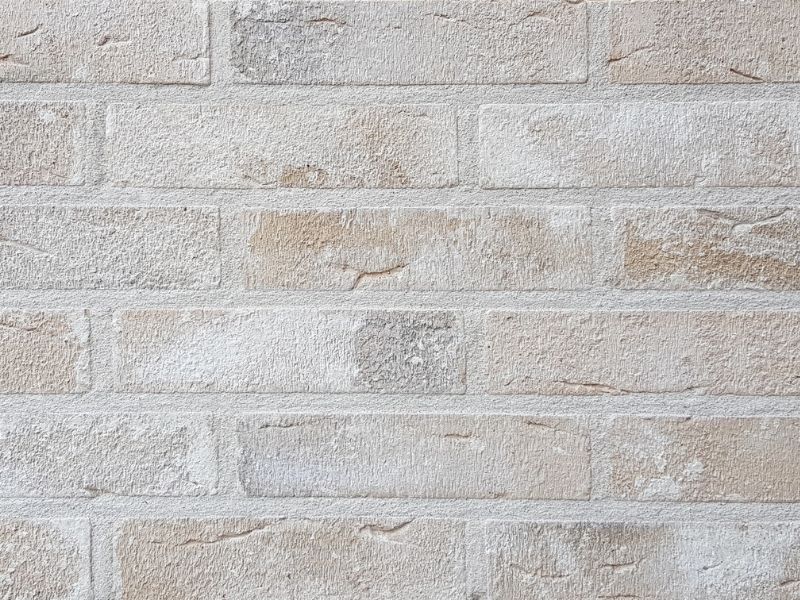
Available across a range of clay colours and textures, from traditional stocks and red multis through to buff, grey and contemporary tones. Bespoke matching to an existing elevation is available on request for larger schemes.
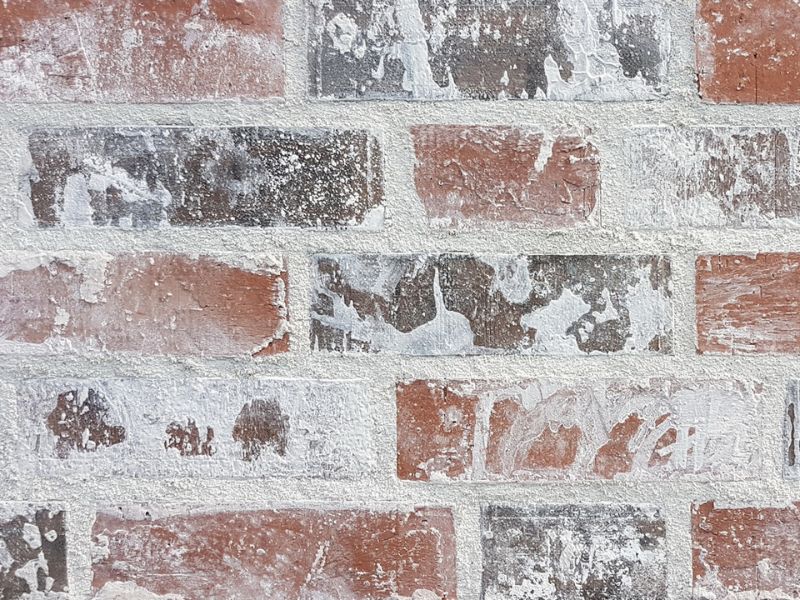
The Urban Range
Contemporary tones and clean, wirecut surfaces suited to modern elevations and new build.

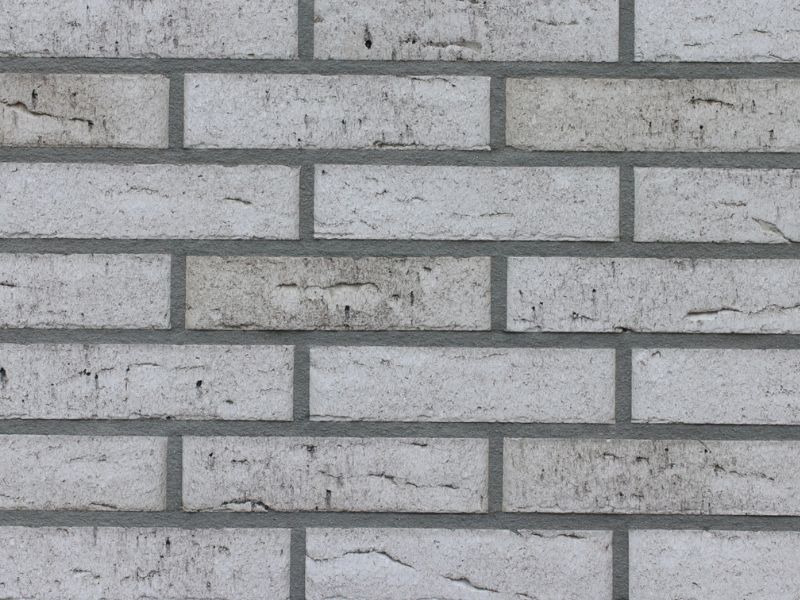
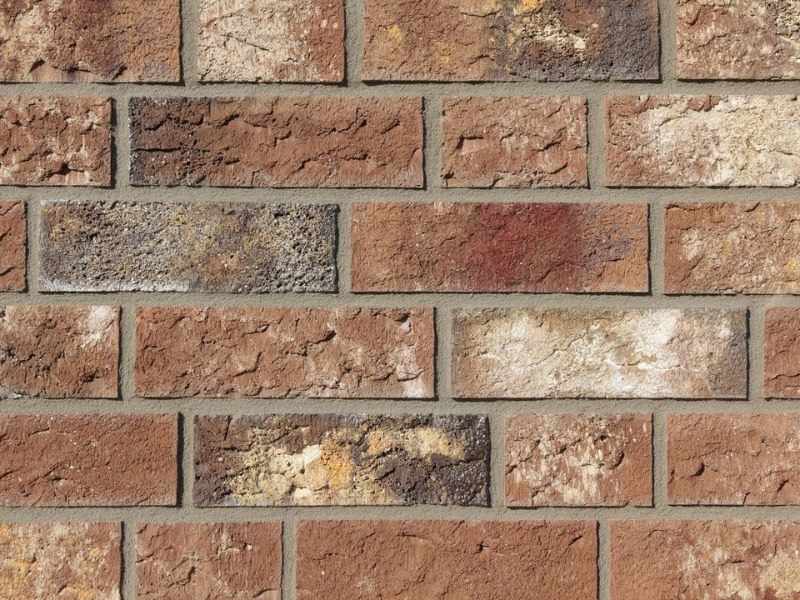
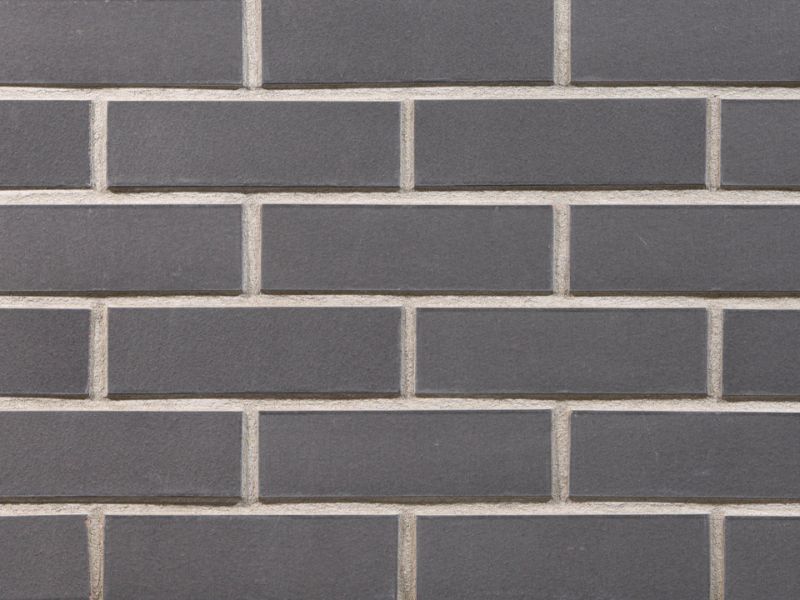
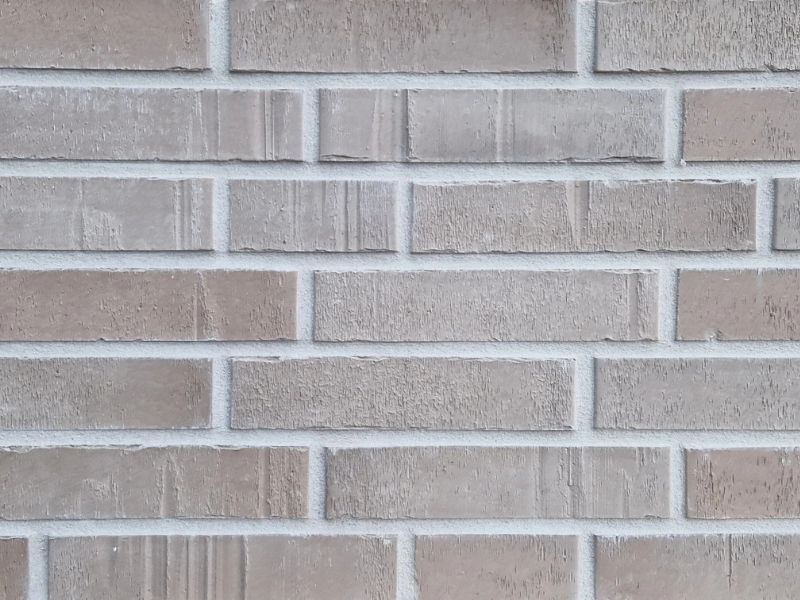
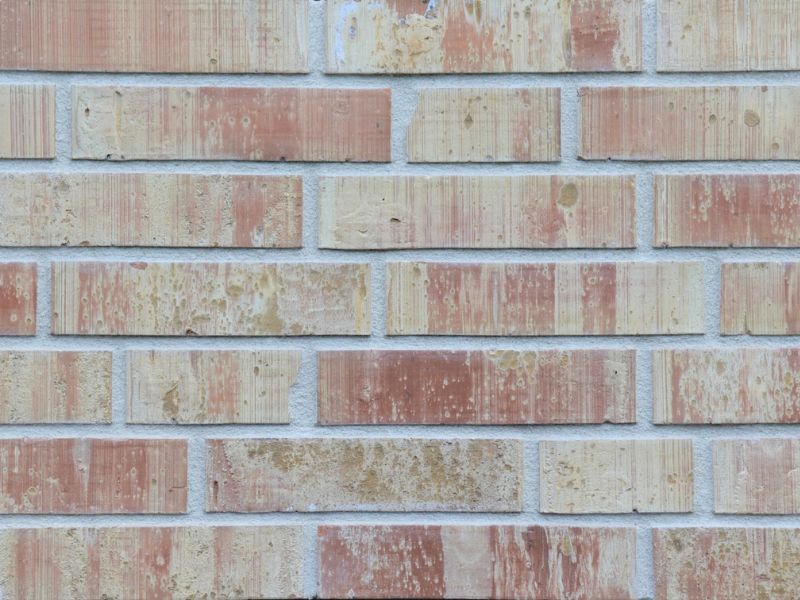
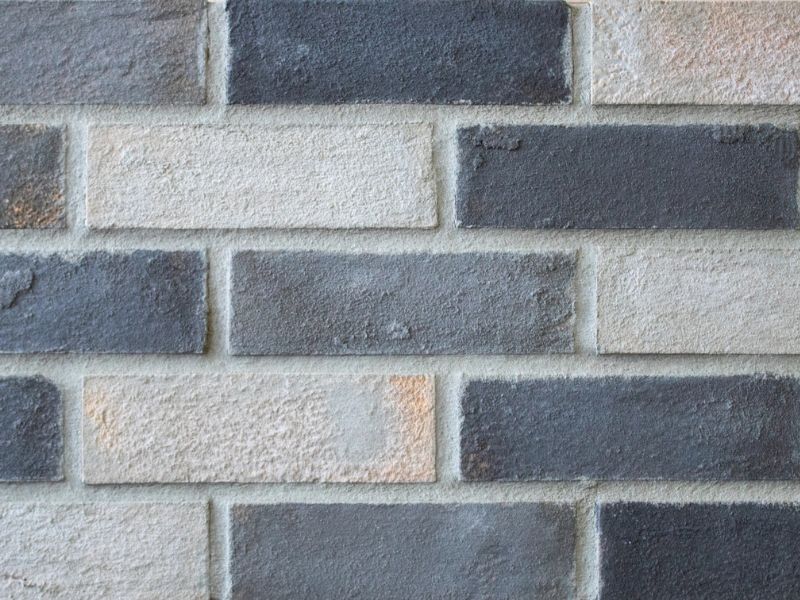
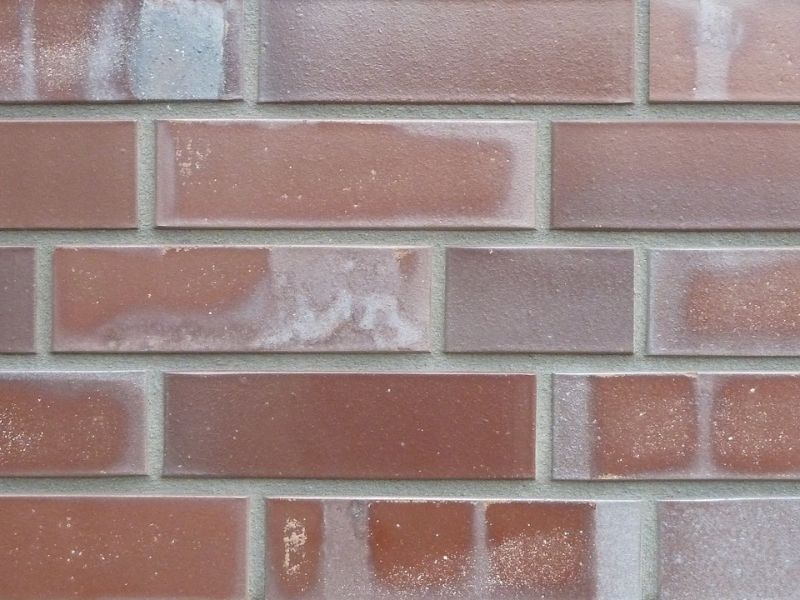
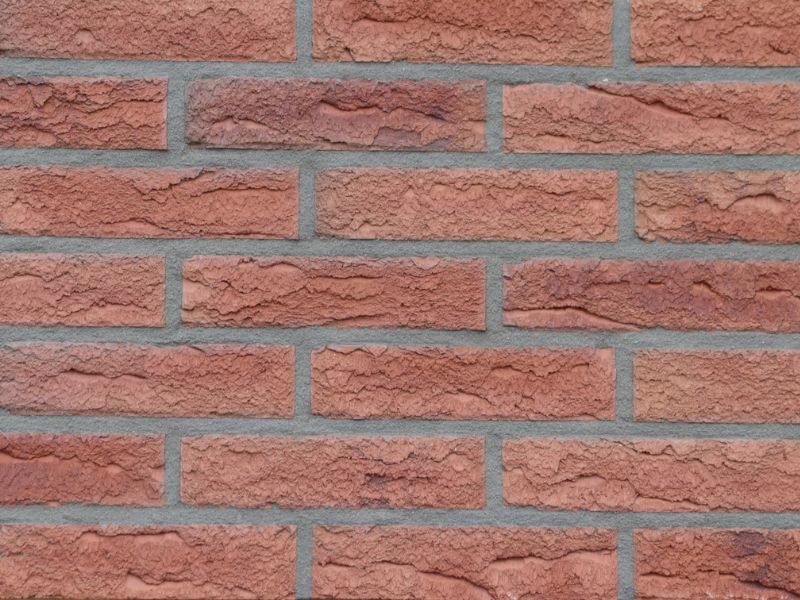
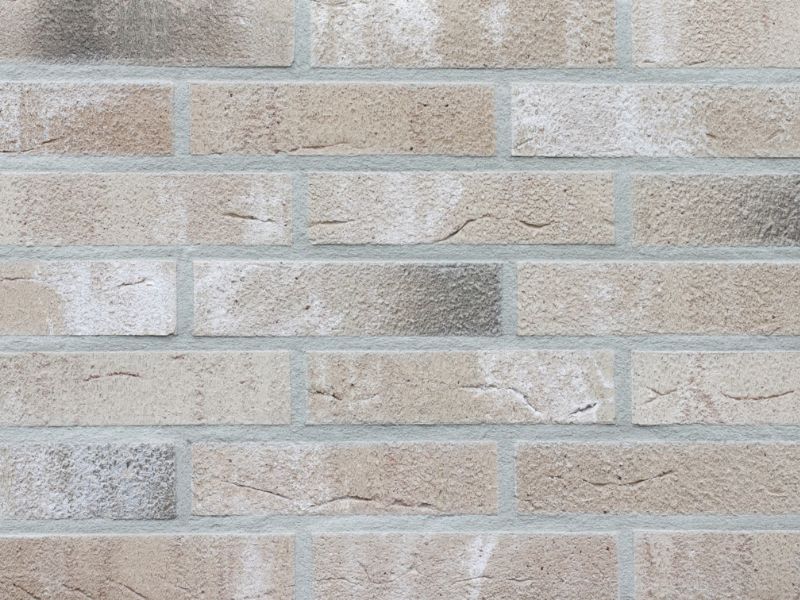
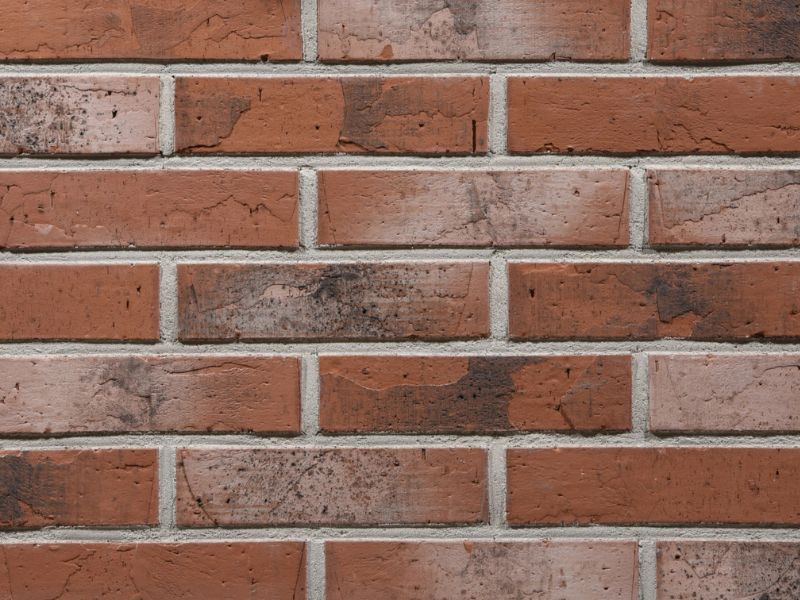
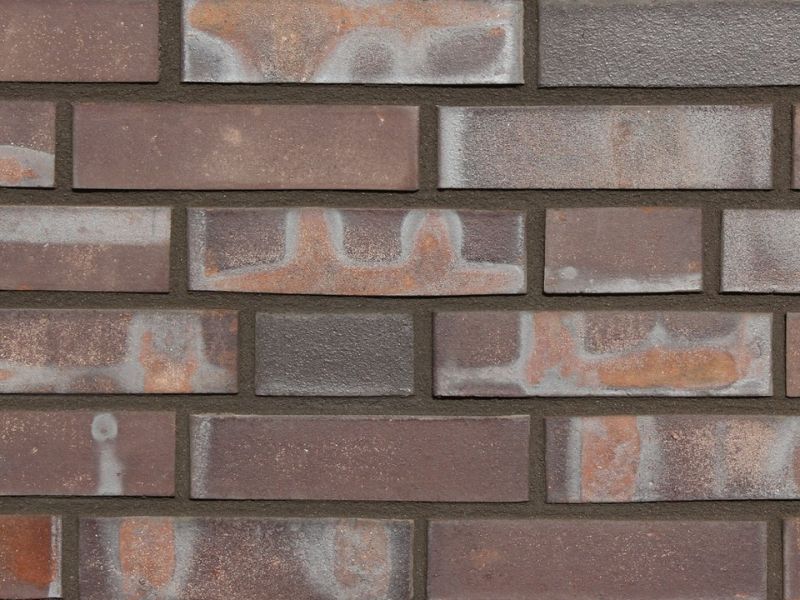
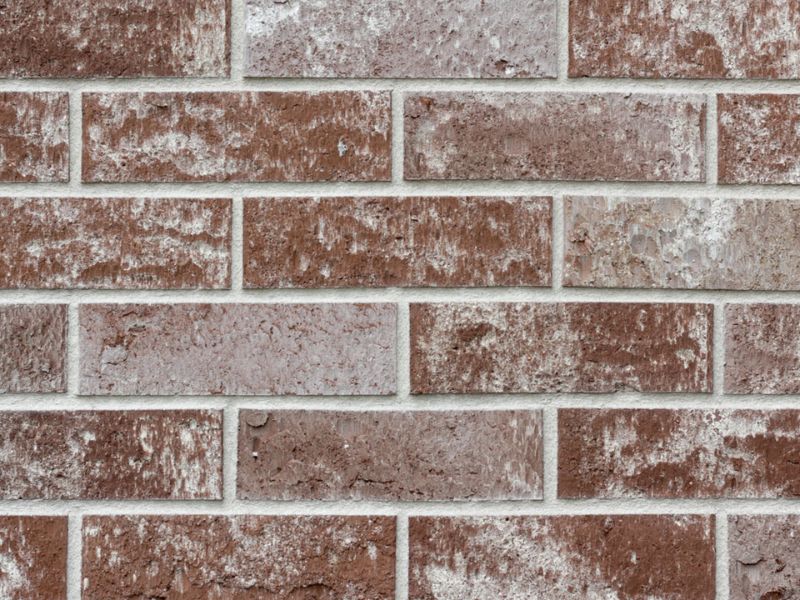

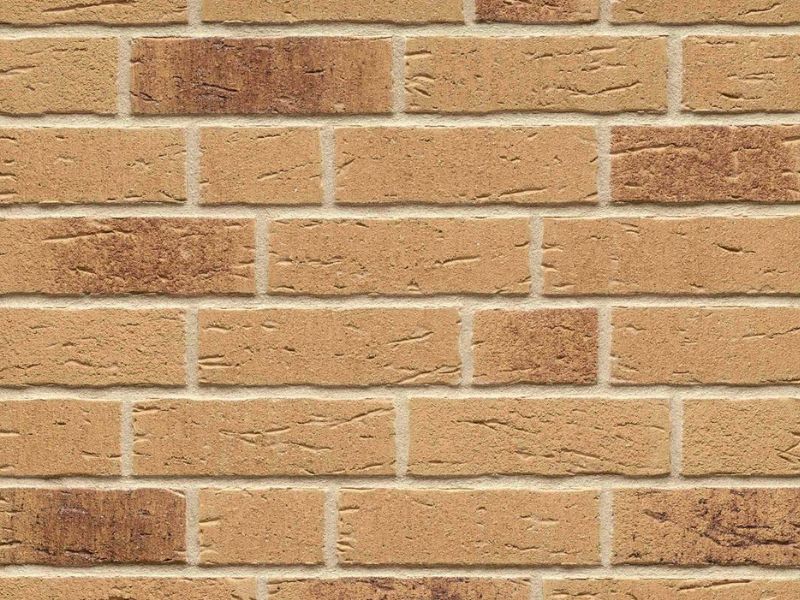
The Crafted Range
Textured and blended clays with pronounced surface character for schemes that need depth and movement.
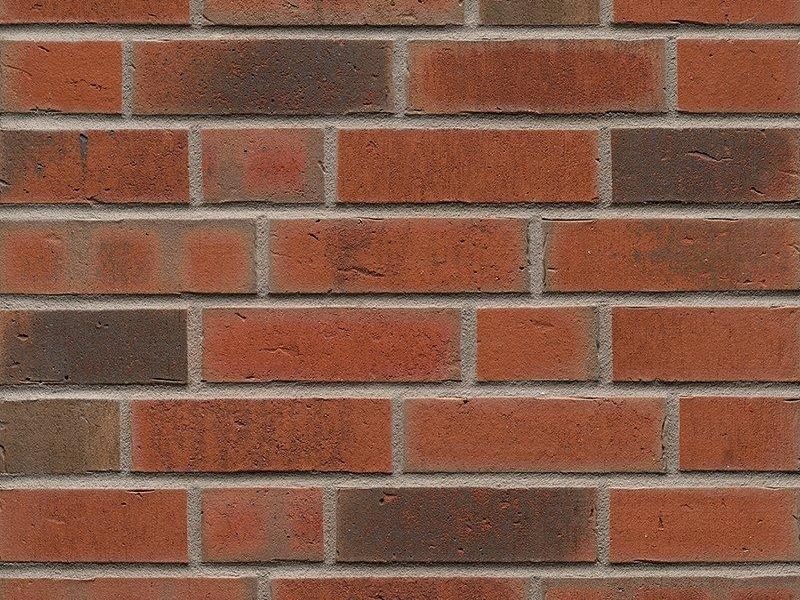

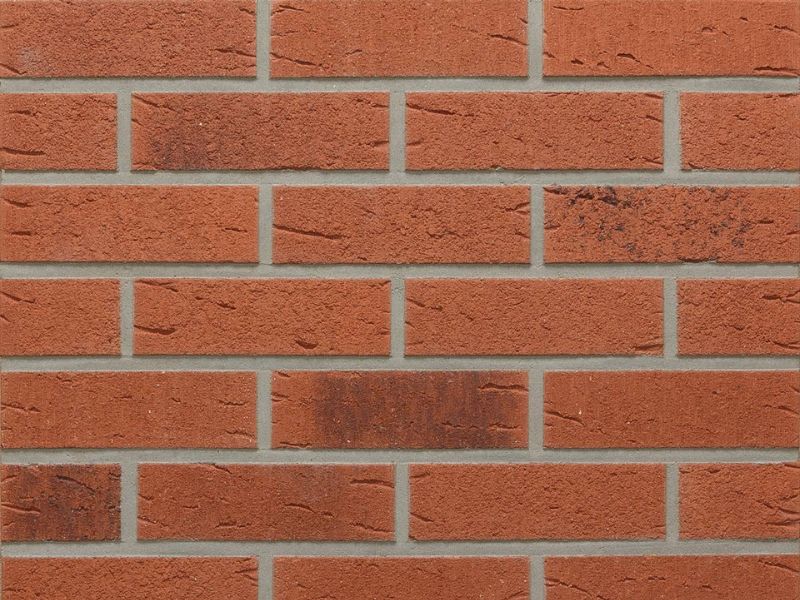
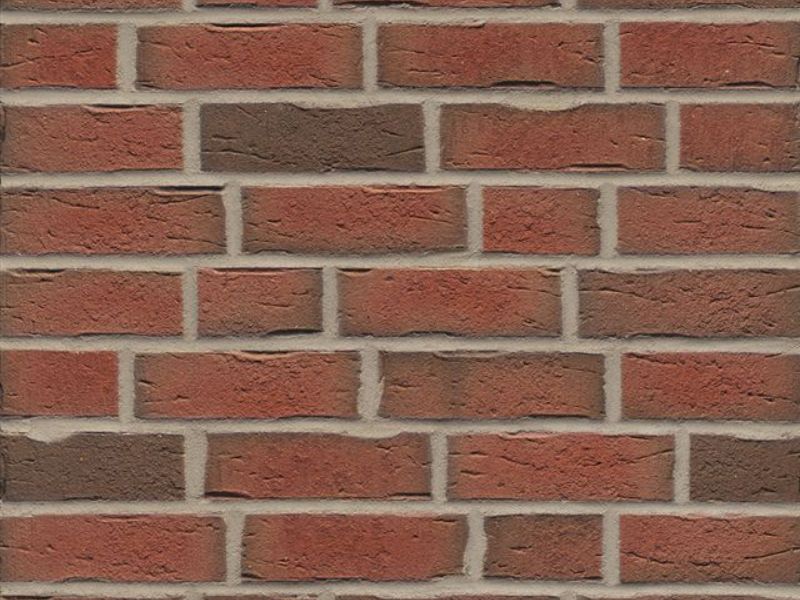
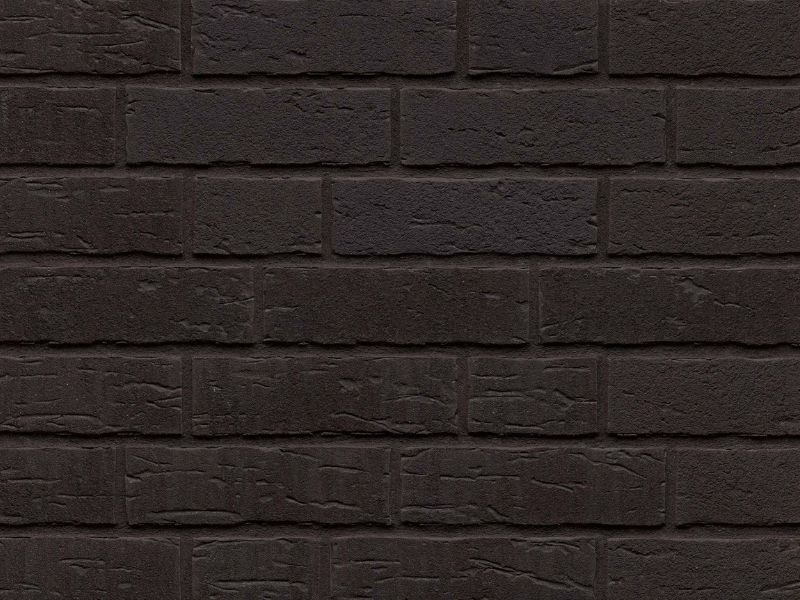
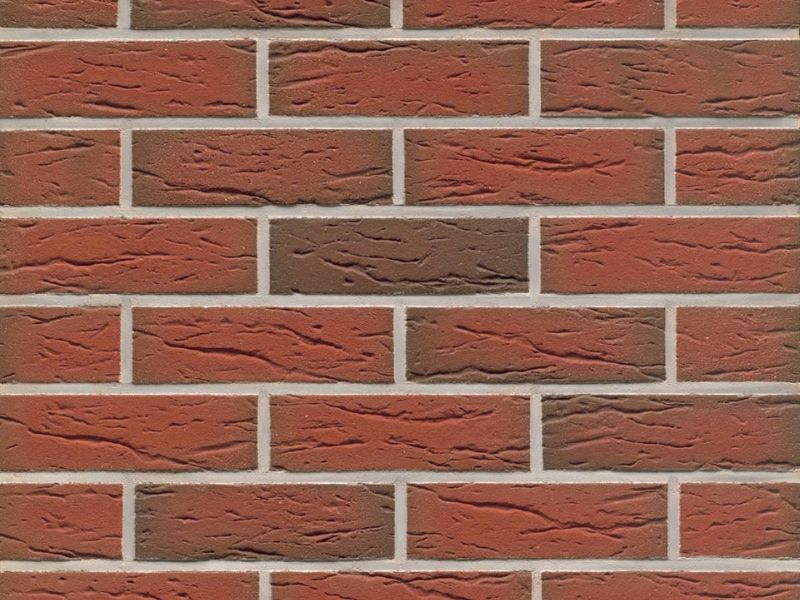
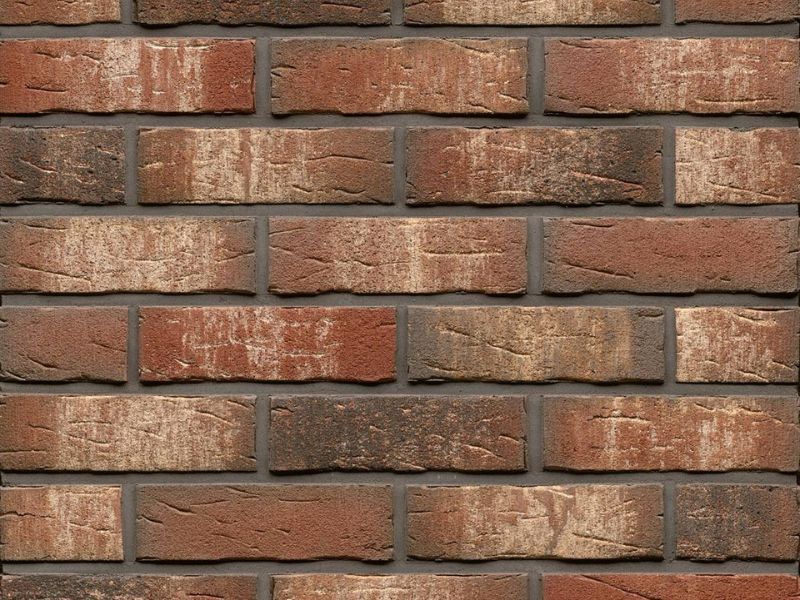

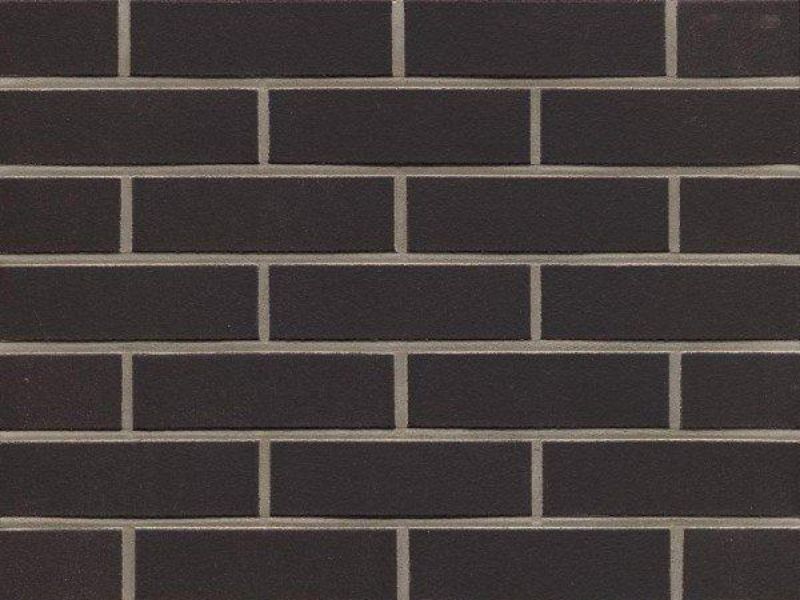
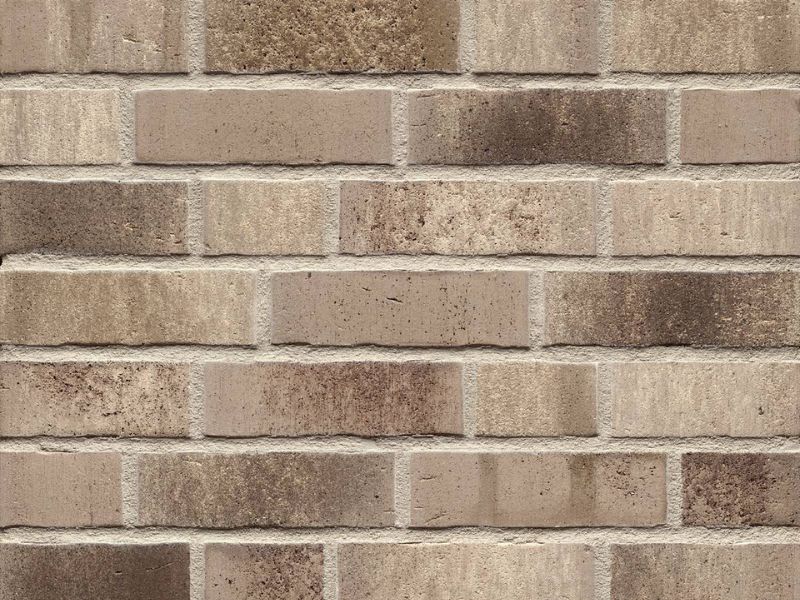
The Heritage Range
Traditional stocks and weathered appearances for conservation work and matching to existing brickwork.
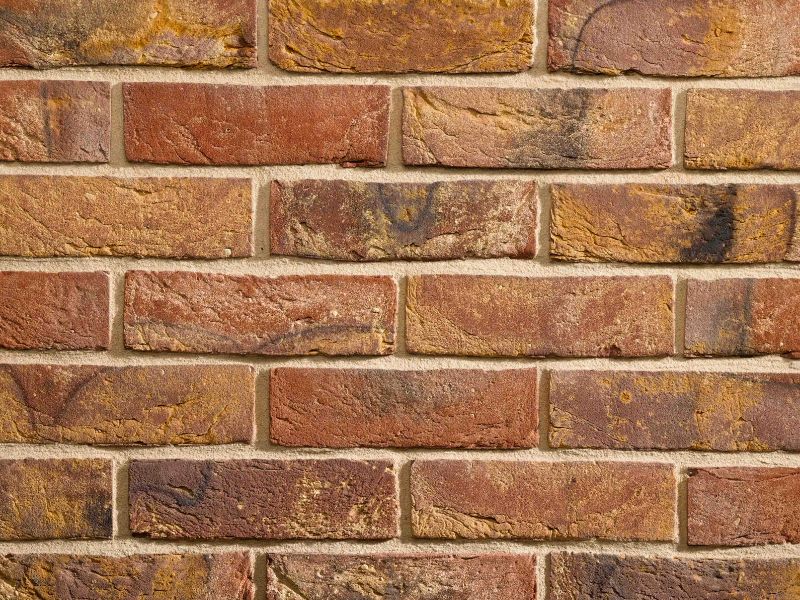
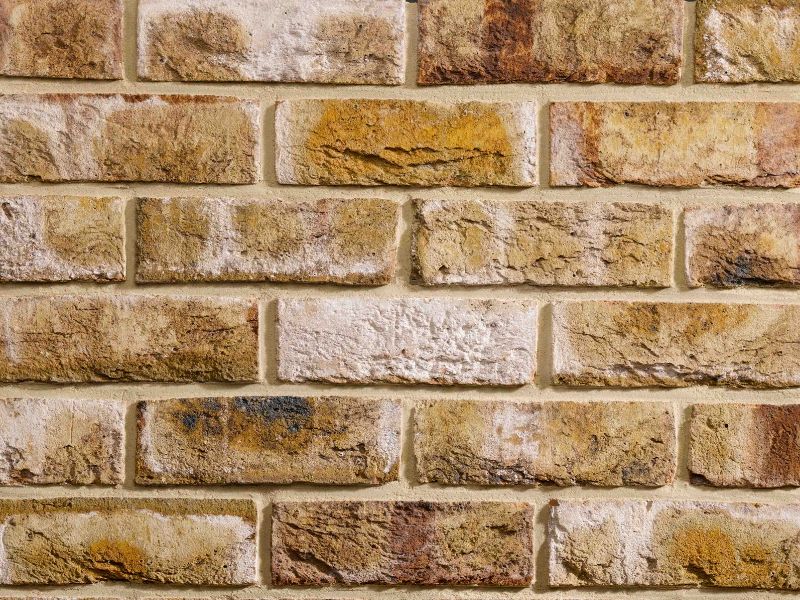

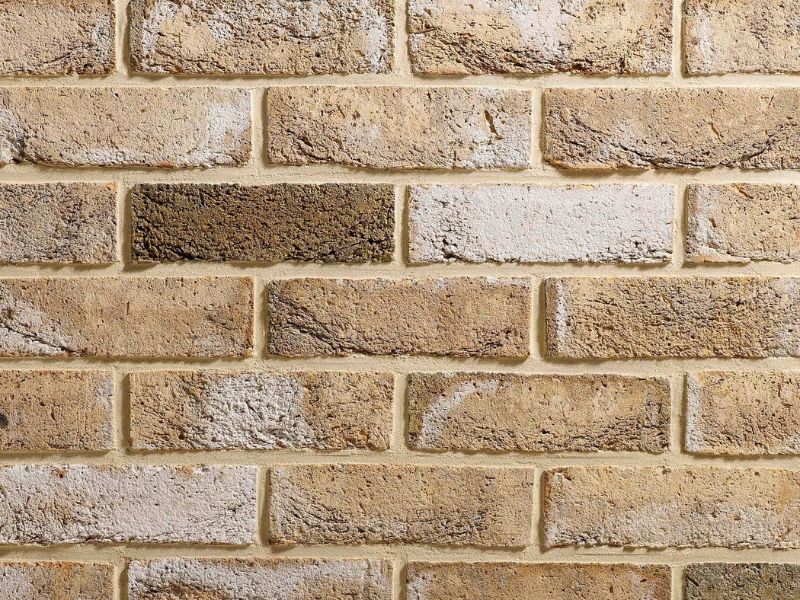
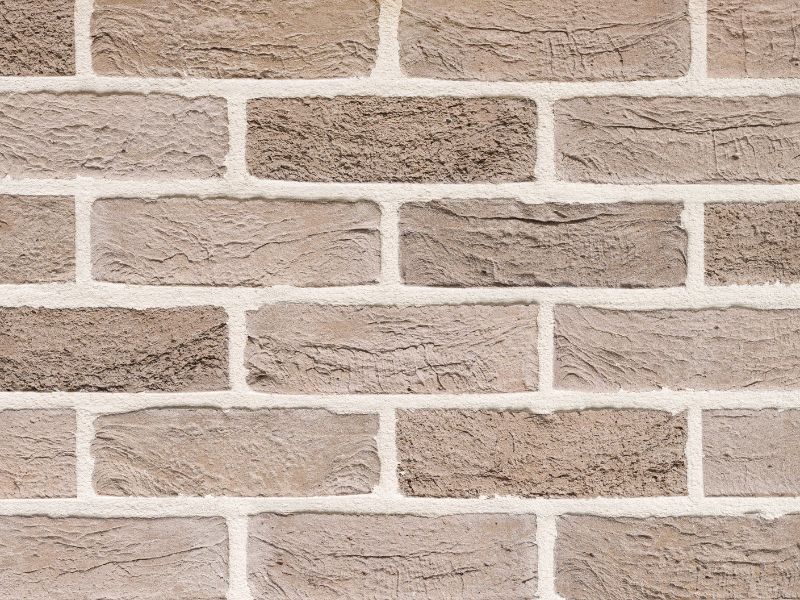
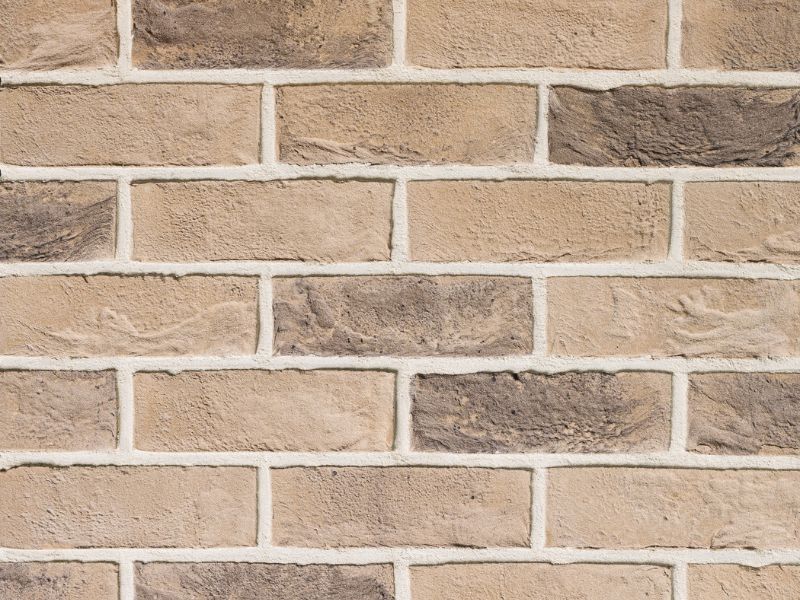
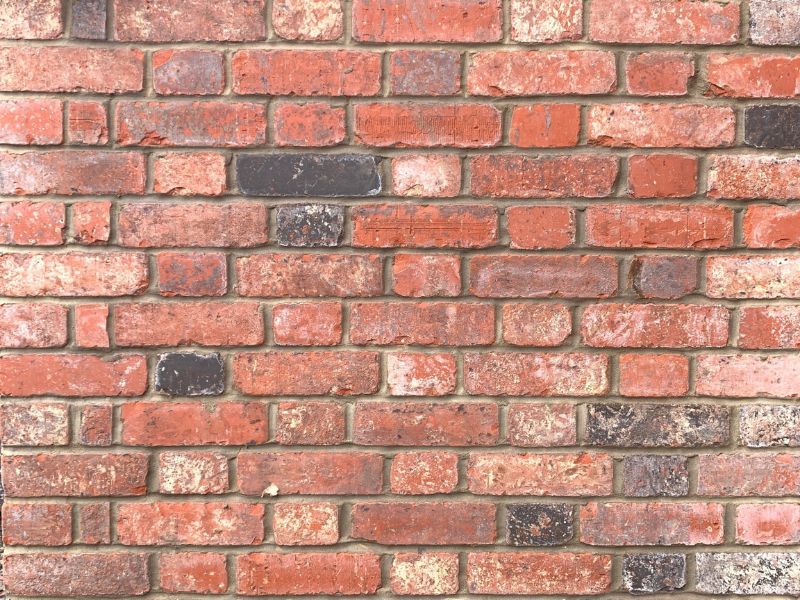
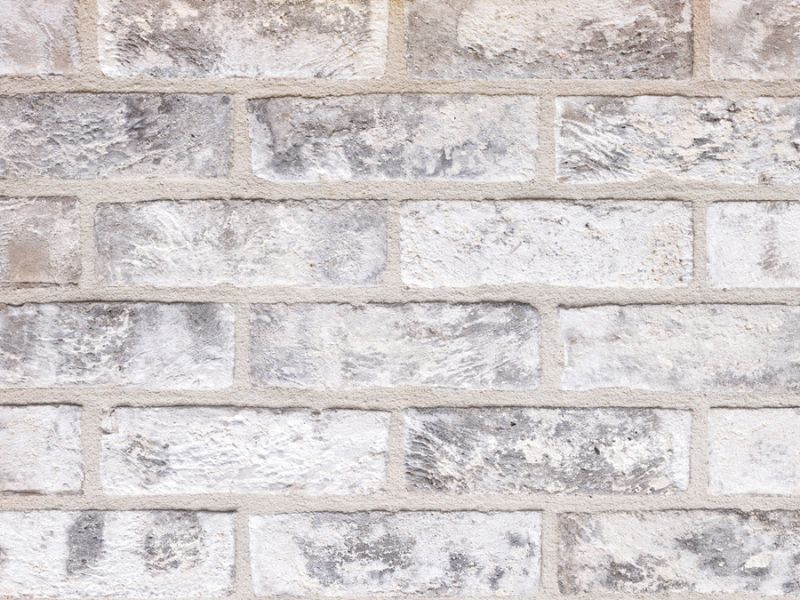
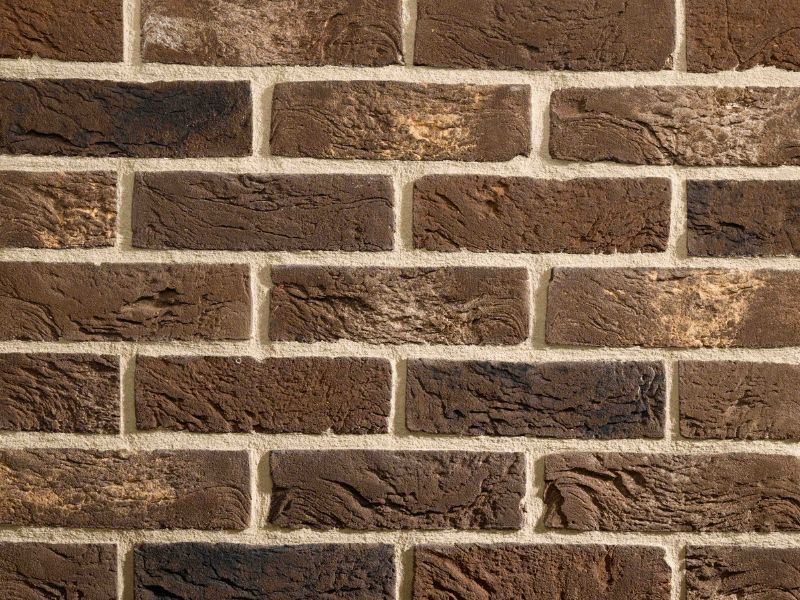
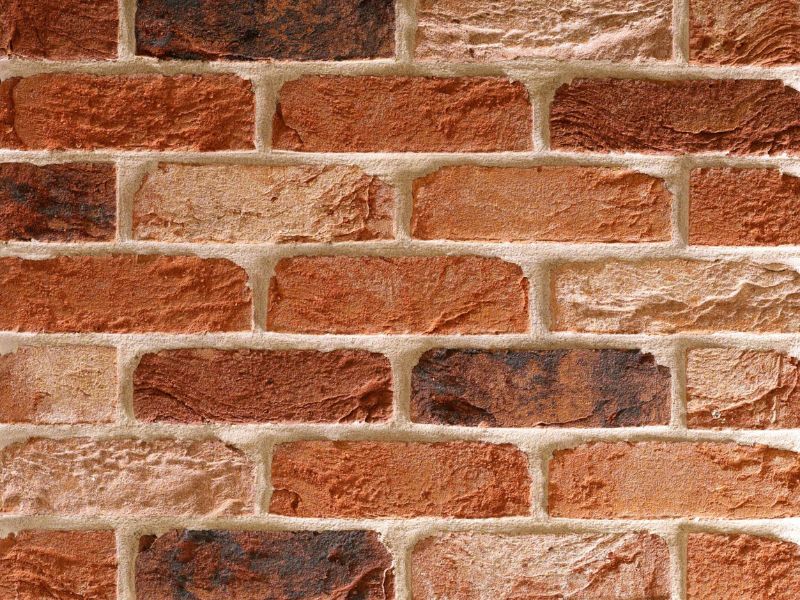
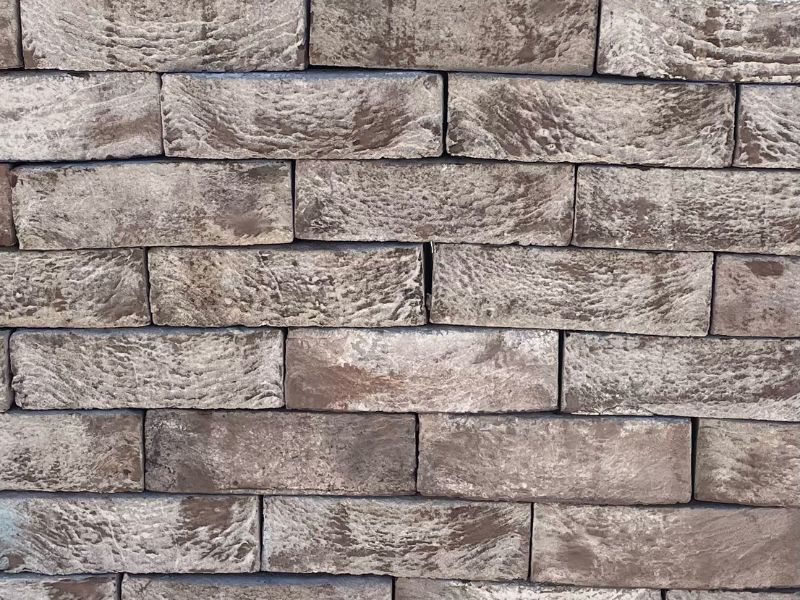
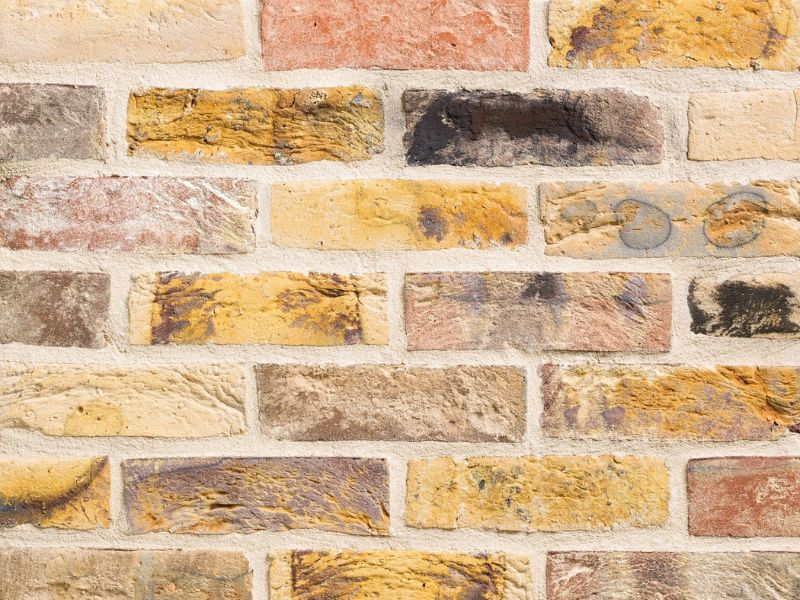

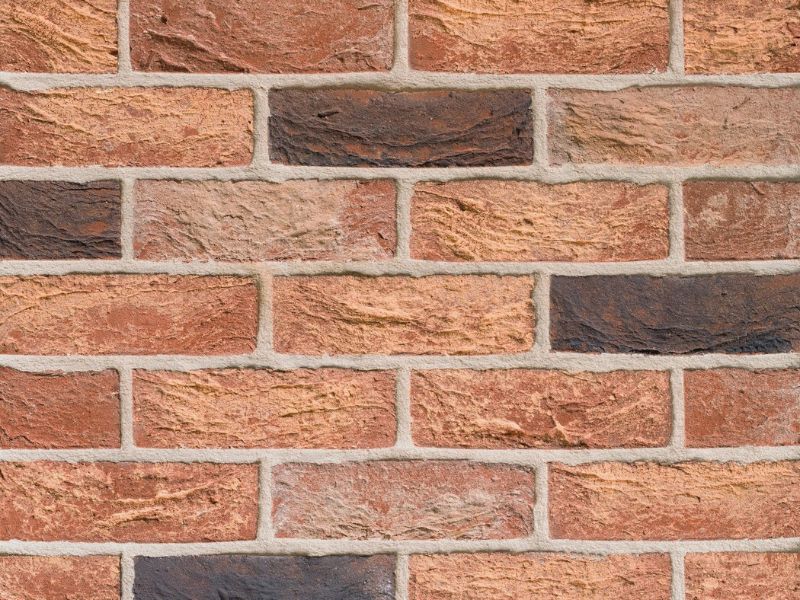
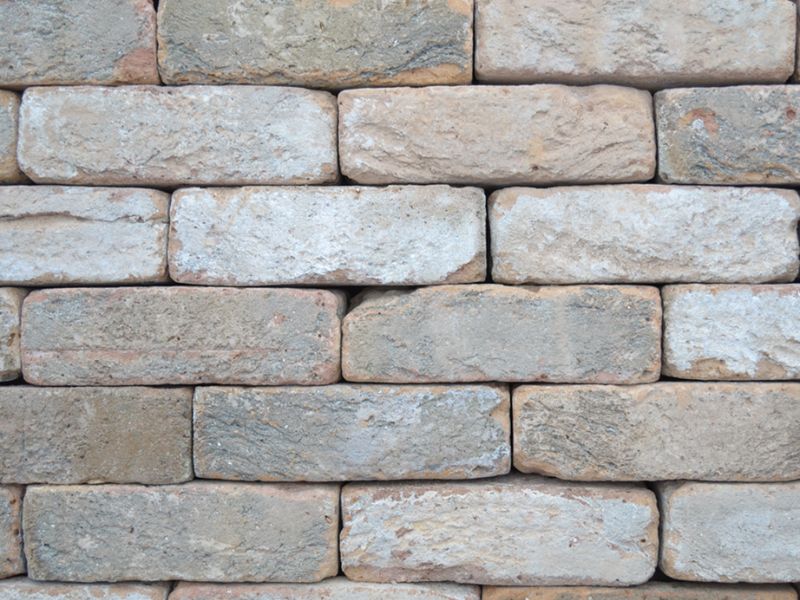
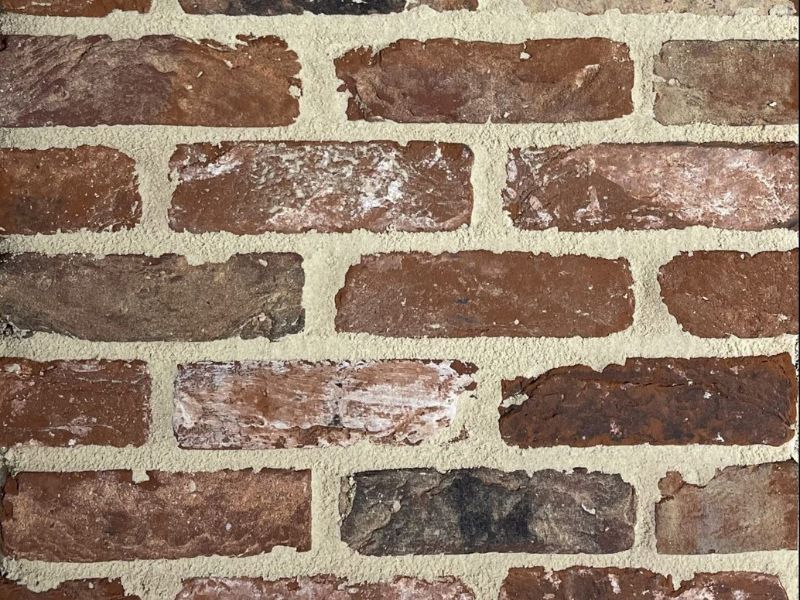

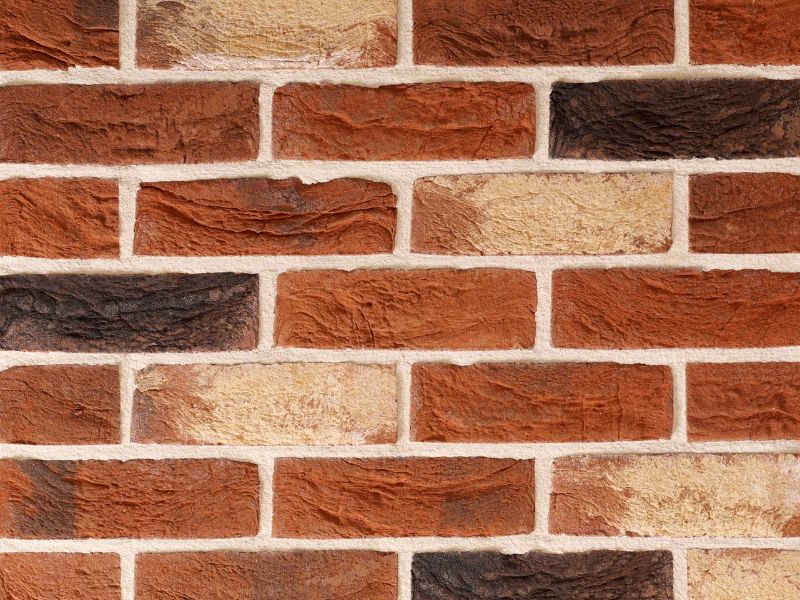
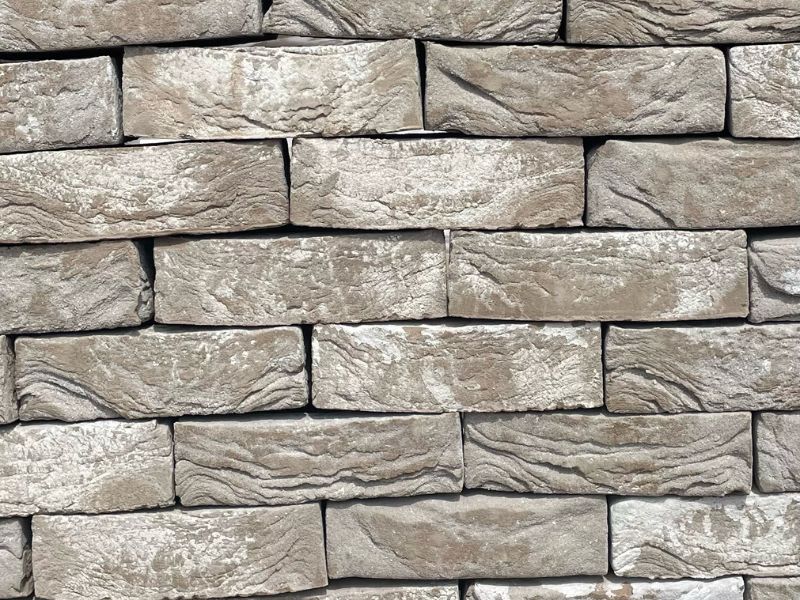
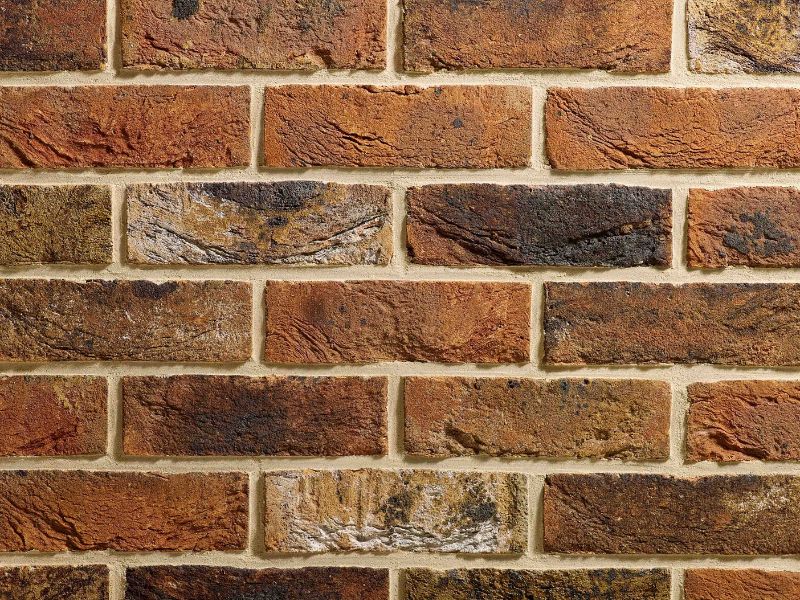
Colours shown are indicative only. Screen reproduction varies, and clay is a natural material with inherent variation between batches, so we strongly recommend viewing physical samples in daylight before specifying. For larger schemes we recommend a sample panel applied on site so the finish can be assessed at scale and against the surrounding stock. Request samples.
Technical characteristics
Full technical data, coverage rates and application conditions are set out in the product technical data sheet. Contact our technical team for project-specific guidance.
EWI systems that take a clay brick slip finish
Clay brick slips are specified as the finish layer on the Licata external wall insulation systems below. The insulant, fixing pattern and base coat differ between systems, and clay carries more weight than a mineral finish, so the finish should always be selected alongside the system rather than after it.
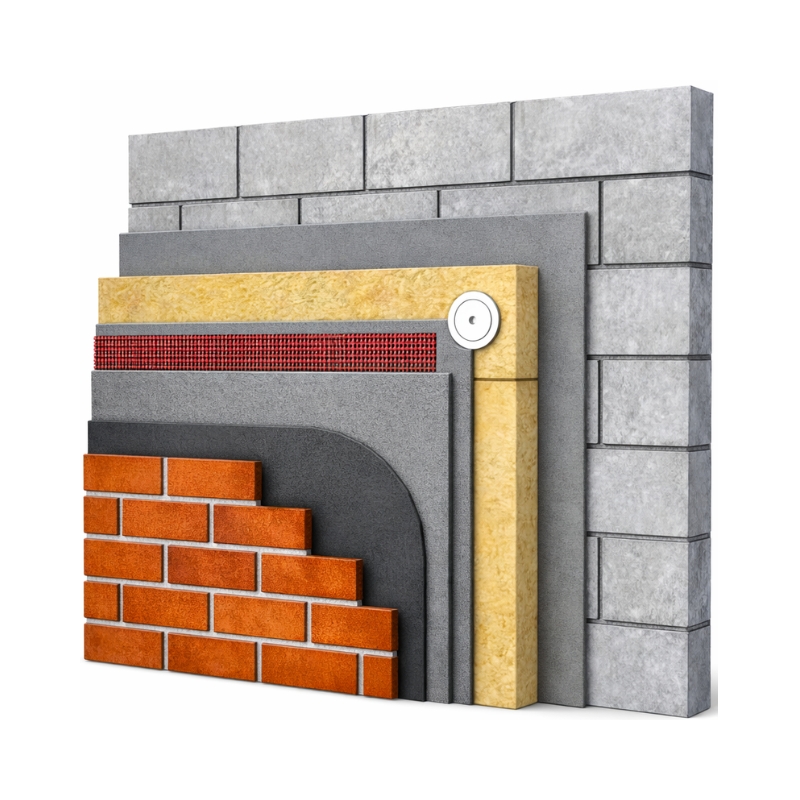
Masonry Mineral Wool — Clay Brick Slips
Mineral wool insulation on a masonry substrate, finished with clay brick slips. A1 classified build-up, tested and certified by KIWA. Specified where the project calls for a mineral insulant on solid wall construction.
View system →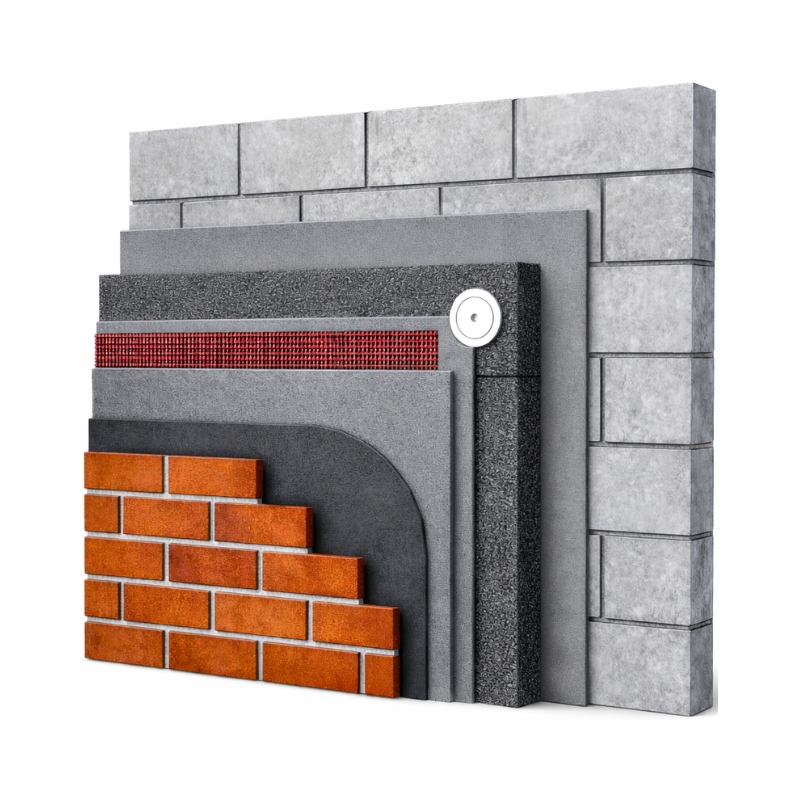
Masonry EPS — Clay Brick Slips
EPS insulation on a masonry substrate, finished with clay brick slips. The most widely specified build-up for domestic retrofit and large-scale housing programmes.
View system →
Steel Frame Mineral Wool — Clay Brick Slips
Mineral wool insulation over steel frame construction, finished with clay brick slips. A1 classified build-up, tested and certified by KIWA. Suited to new build and modular schemes requiring a genuine clay facade.
View system →How the finish is applied
Clay brick slips form the outer layer of a tested build-up. Each layer below them contributes to the performance of the finish, which is why the system has to be specified and installed as a whole.
Substrate preparation
The existing wall is surveyed and prepared. Adhesion testing on a representative sample of each property type is strongly recommended before works begin on a housing programme.
Insulation
Insulation boards are adhesive-bonded and mechanically fixed to the substrate in accordance with the system specification and the project fixing schedule. Fixing patterns for a clay slip finish differ from those for a render or mineral finish.
Reinforced base coat
Base coat applied with reinforcing mesh fully embedded. This layer carries impact resistance and provides the bonding surface for the slips.
Setting out and bonding
Courses are set out from the datum so that bond, perpends and course heights align correctly at openings and terminations. Slips are bonded with system adhesive, with corner units used at returns.
Pointing
Joints are pointed with system pointing mortar in the specified colour and profile. Mortar colour has a significant effect on the finished appearance and should be agreed on a sample panel.
Where clay brick slips are specified
The finish suits any project where genuine clay brick is required at the face but full brickwork is not practical, whether because of weight, depth, programme or the presence of insulation.
Frequently asked questions
What is the difference between clay and mineral brick slips?
Clay brick slips are cut from fired clay brick and set individually, giving genuine brick material at the surface with real pointing between courses. Mineral brick slips are applied as part of the render system build-up, producing the brick appearance at a fraction of the weight and without a separate fixing operation.
Clay is the choice where the specification demands real brick at the face, typically on conservation work or where planning requires a match to surrounding stock. Mineral is the choice where weight, programme or cost is the governing constraint.
Can clay brick slips be used on external wall insulation?
Yes. That is the most common application. The slips are bonded over the reinforced base coat of a Licata external wall insulation system and pointed as part of the same build-up.
Because clay carries more weight than a render or mineral finish, the insulation fixing pattern is specified accordingly. The finish should therefore be selected alongside the system rather than afterwards.
Can clay brick slips be used on high-rise buildings?
Clay brick slips are suitable for both low-rise and high-rise applications when installed as part of the appropriate certified system build-up.
The system selected for a taller building will differ from a standard domestic build-up, and the certification applicable to that build-up governs where it can be used. Contact our technical team with the building height and construction type and we will confirm the correct specification.
Will there be colour variation between slips?
Yes, and that is intentional. Clay is a natural material fired at high temperature, so variation in tone and surface between individual slips is inherent to the product and is what makes a finished elevation read as genuine brickwork rather than a repeating pattern.
Slips should be mixed from several packs during installation so that variation is distributed evenly across the elevation rather than appearing in patches. Reserve batch quantities at contract award on phased programmes, as later batches may not match.
Does the mortar colour matter?
More than most people expect. Pointing mortar occupies a significant proportion of the visible elevation, and changing from a light to a dark mortar with the same slip produces a noticeably different result.
We recommend agreeing the mortar colour on a sample panel alongside the slip itself, particularly where the finish has to match existing brickwork on an adjacent elevation.
How are clay brick slips maintained?
Maintenance is comparable to conventional brickwork and generally minimal. Periodic cleaning with low-pressure water is usually sufficient. Aggressive pressure washing and acid-based cleaners should be avoided, as they can damage both the clay face and the pointing.
Should a slip ever be damaged by impact, individual units can be cut out and replaced without disturbing the surrounding area.
Are clay brick slips covered by a guarantee?
Licata systems installed by an accredited installer can be covered by a guarantee, subject to the system being specified and installed in full accordance with our requirements.
Guarantee terms depend on the system, the application and the route to market. Contact us for the terms applicable to your project.
Specifying clay brick slips?
Tell us the substrate, the system and the brick you need to match, and we will come back with a specification and the supporting documentation.