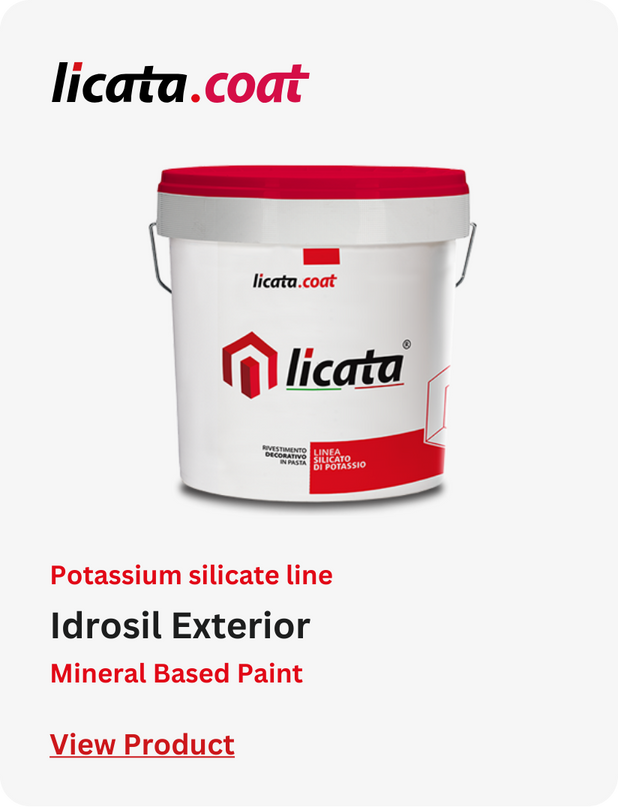
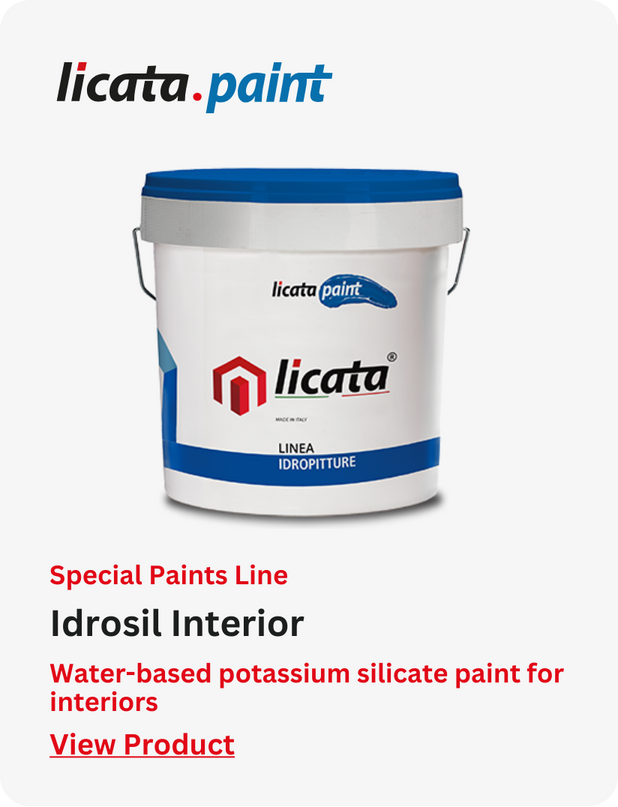
Hydraulic Lime Render Systems

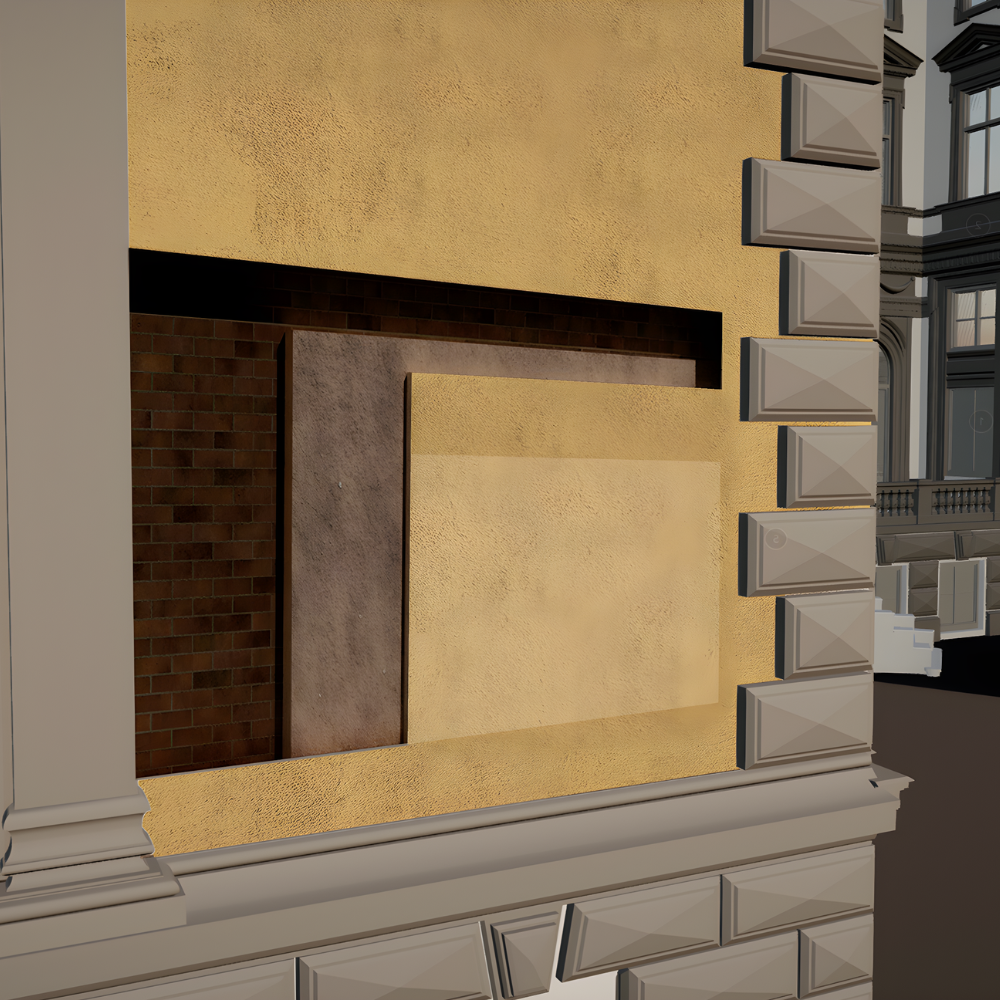
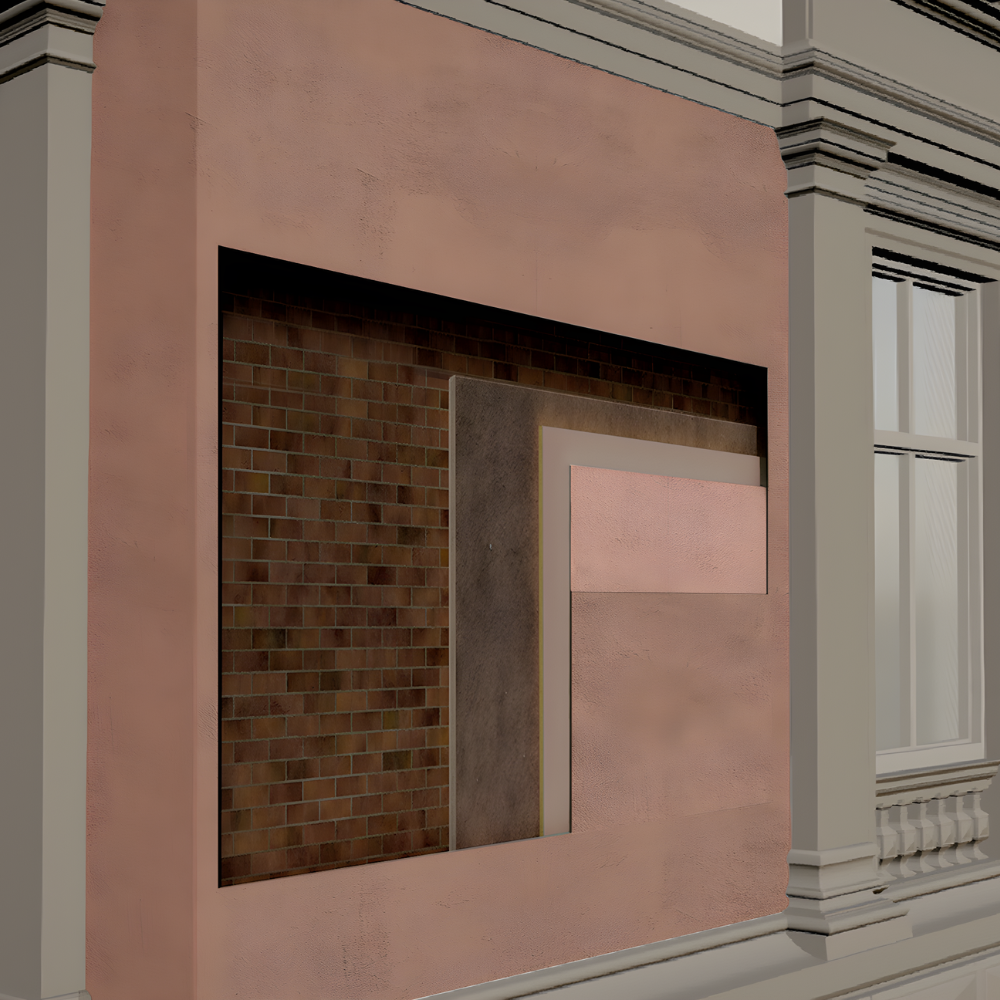
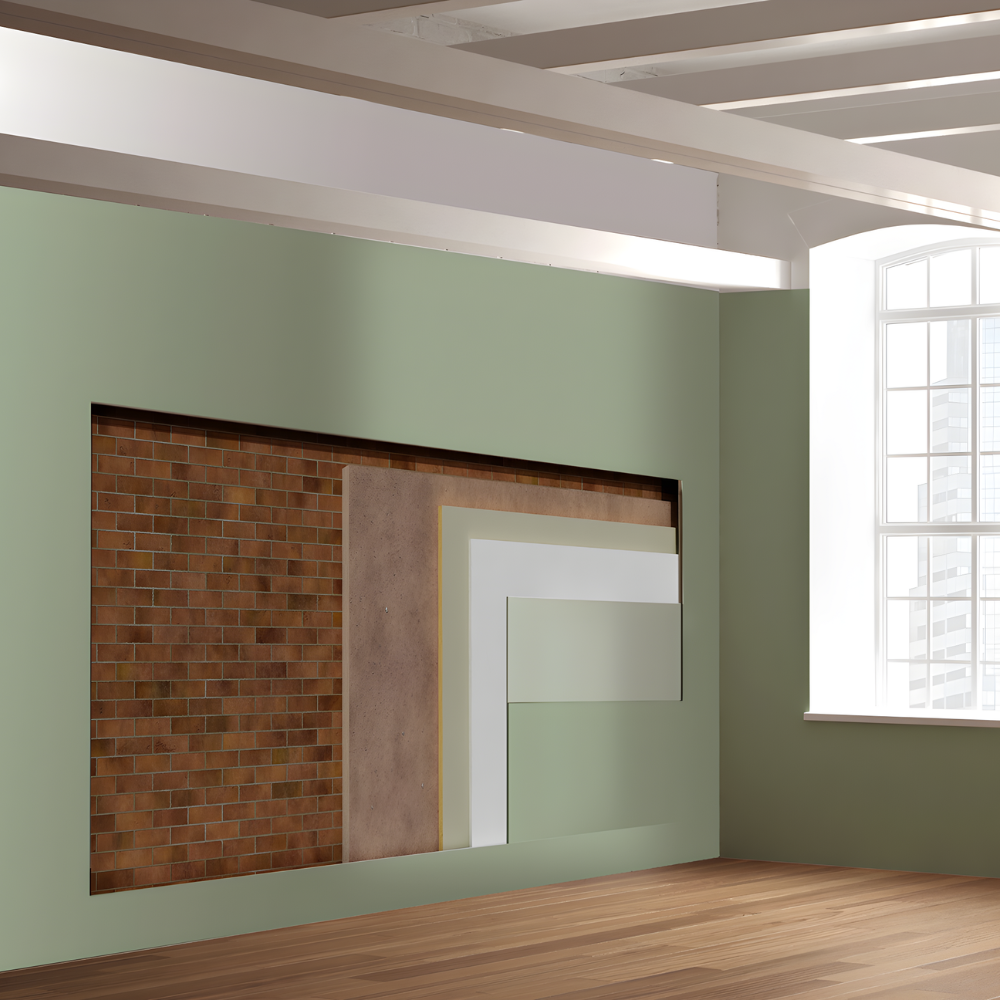
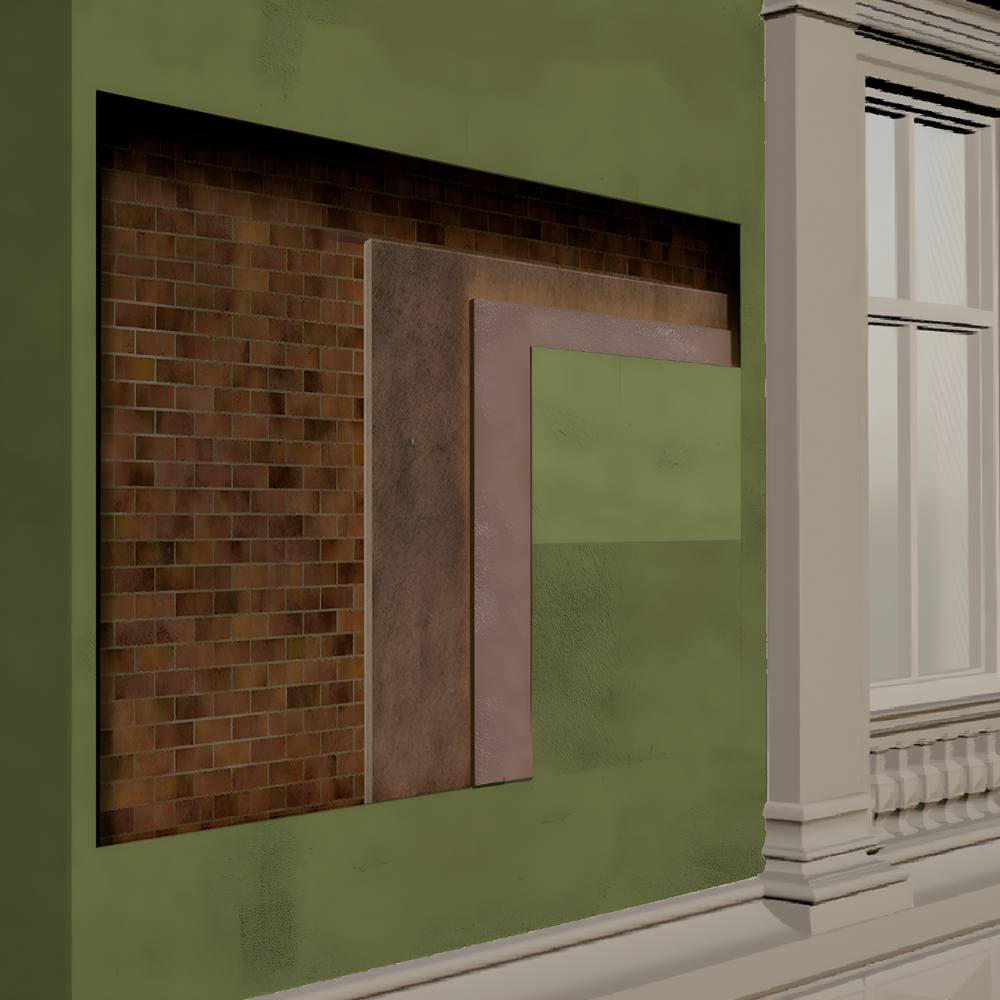
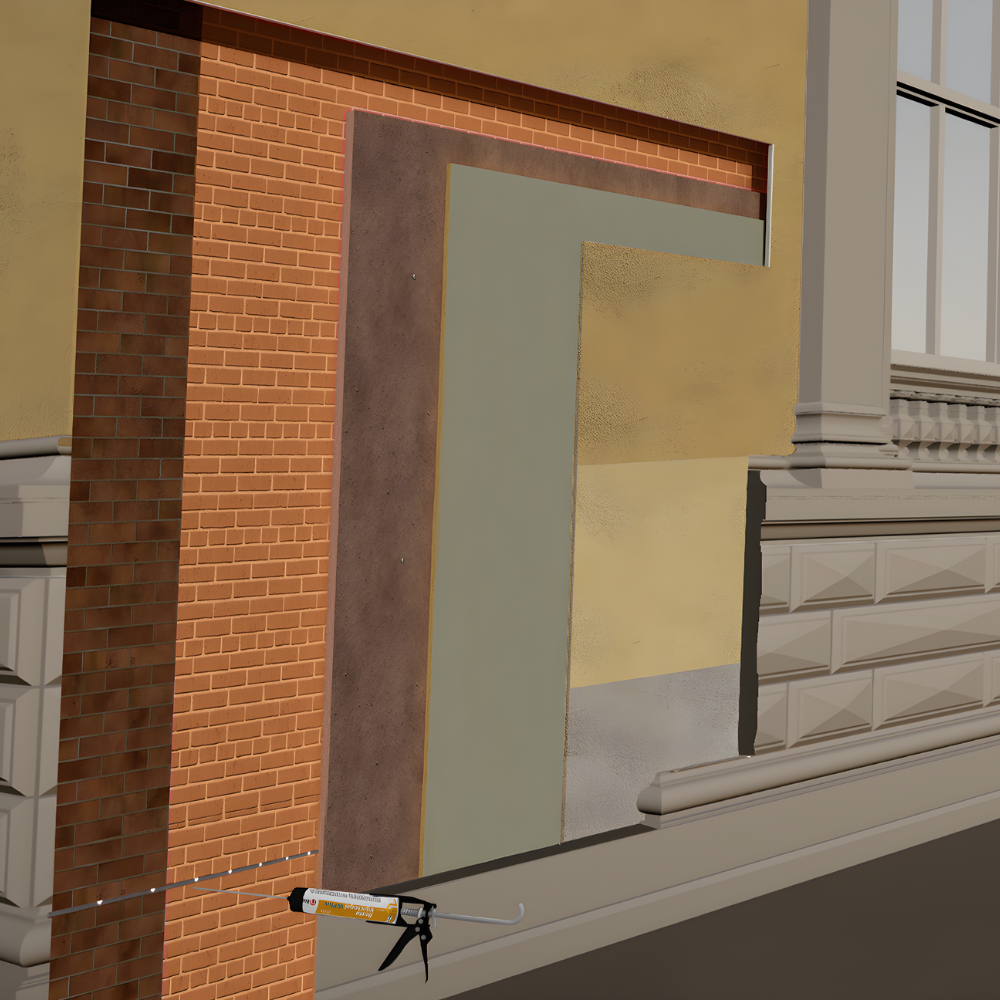
Our Hydraulic Lime Render NHL 5 is a high-performance natural hydraulic lime designed for use in exterior and interior render systems. Known for its strength, breathability, and natural aesthetic, NHL 5 is ideal for a variety of projects, from heritage restoration to new builds requiring a durable, environmentally friendly finish. Its ability to accommodate movement and self-heal small cracks ensures a long-lasting, flexible render solution.

Lime Systems

Lime Systems Products

Lime Systems Products

Benefits of Using Hydraulic Lime Render NHL5

Our lime render is perfect for protecting walls against damp conditions by allowing moisture to escape easily. The breathable nature of hydraulic lime helps buildings stay dry, reducing the risk of cracks and damage from subtle movements. It’s flexible and durable, ideal for both traditional buildings and modern projects.

Natural hydraulic lime renders use carbonation, a chemical process absorbing carbon dioxide from the air as they harden. This eco-friendly feature makes lime render waterproof and offers long-term protection for your building surfaces.

Applications of Lime Render Across Various Projects

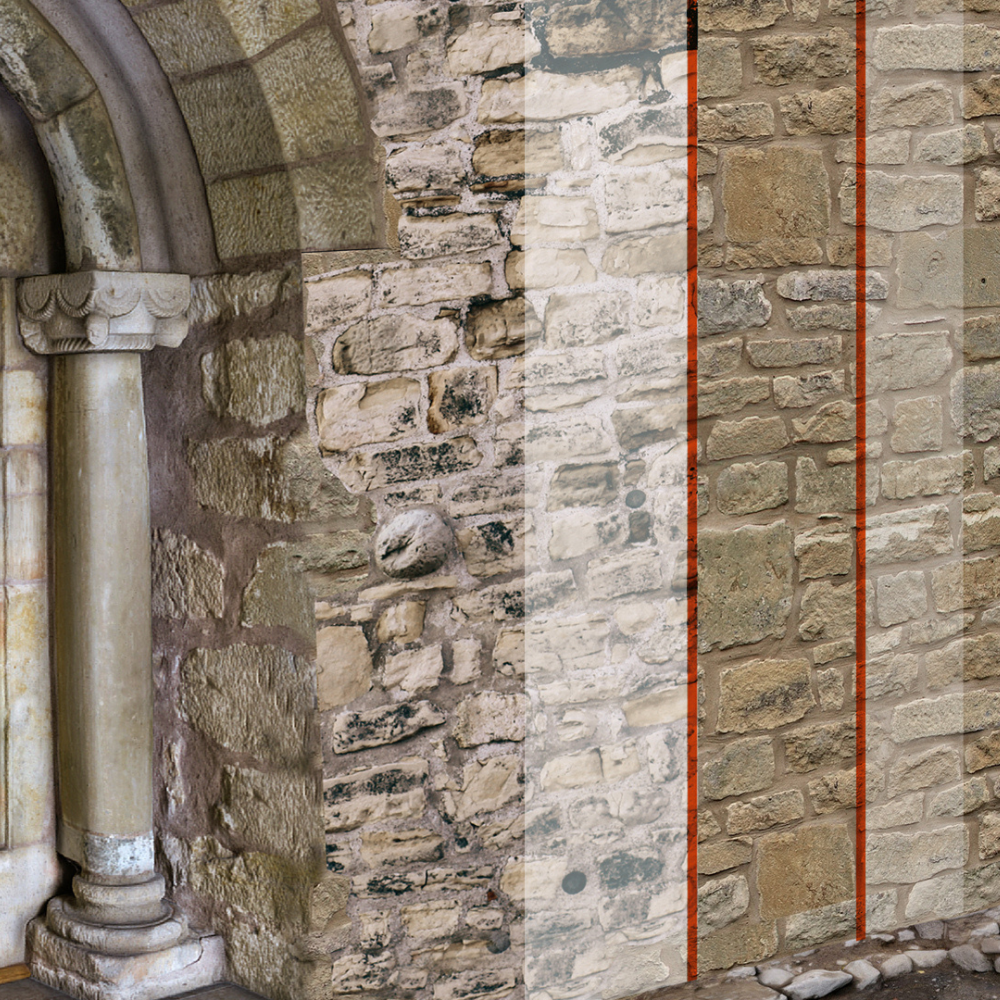
Hydraulic lime render is highly recommended for restoring traditional buildings. It adheres effectively to materials like soft brick, stone, and cob, making it suitable for historic masonry. When mixed correctly with lime mortar or lime putty, it provides a strong first coat and final coat, enhancing longevity.

Modern houses also benefit from lime plaster and rendering. Whether applied as a smooth finish coat or as a harled coat, lime render offers protection against rain and damp while allowing walls to breathe, ensuring your home remains safe and comfortable.

Comparing Hydraulic Lime Render to Cement-Based Alternatives

Unlike cement, hydraulic lime provides excellent breathability and flexibility. Cement renders trap moisture, increasing damp risks and harming brickwork or masonry. Lime renders allow moisture to escape naturally, preventing damp problems and maintaining wall health.

  • Hydraulic lime is more flexible and reduces cracking.
  • Traditional lime forms stronger bonds with soft bricks.
  • Cement can fail in damp conditions; lime remains effective even when moisture is present.

Choosing hydraulic lime render gives you a traditional building material solution that’s proven durable, sustainable, and reliable.

Lime Render Maintenance and Care Tips

Taking care of lime-rendered surfaces is straightforward. Avoid modern paints, as they trap moisture and cause damp problems. Instead, opt for breathable lime washes designed specifically for traditional lime renders, ensuring walls remain dry and protected.

Inspect your lime rendering periodically. Small cracks typically repair themselves through natural hydraulic lime’s carbonation process. For larger areas, seek expert advice to correctly mix lime mortar and apply a new protective coat to restore integrity and appearance.

Why Choose Licata for Lime Render Solutions?

At Licata, we specialise in natural hydraulic lime and offer expert advice to help you choose the right solution. Our extensive range of traditional lime products ensures every building, whether a heritage house or modern construction, benefits from the highest-quality materials.

Customers across the local area trust us for our knowledge, service, and proven solutions. By choosing Licata, you’re ensuring your lime render project is carried out professionally, giving your walls lasting protection, flexibility, and an attractive finish coat.

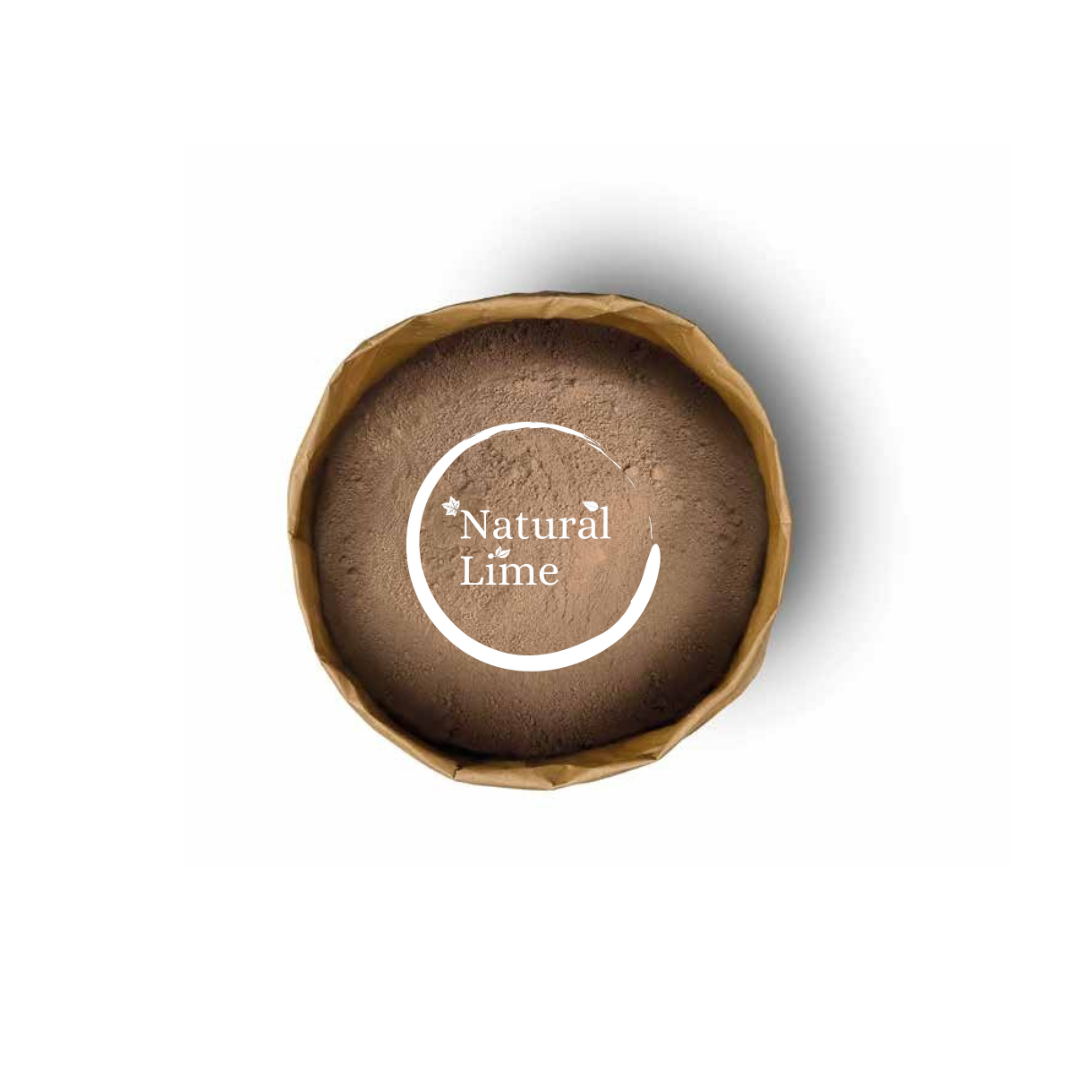
Quality Products you can trust

Licata Building Solutions is a leading Italian supplier of building materials, products and solutions for facades and interior surfaces. We have four depots and showrooms in the UK, all stocking our extensive product range.

Frequently Asked Questions (FAQs)

Natural hydraulic lime cures through carbonation, a process where the material absorbs carbon dioxide from the air over time. Unlike cement renders that simply dry, lime render needs proper moisture control and vapour permeability to cure effectively. Each coat typically takes 3-7 days before the next layer can be applied, depending on weather conditions. External walls need more time than internal surfaces because excess moisture must evaporate naturally.

At Licata, we always advise our customers that patience is key with lime render systems. The material continues to gain strength for months after application as carbonation progresses. Thicker layers and damp conditions will extend curing times, but this slow process creates the breathability and durability that makes hydraulic lime so suitable for both old buildings and modern developments across the UK.

Applying lime render directly over cement renders isn’t something we recommend at Licata because cement creates a barrier that prevents vapour permeability and moisture control. The substrate needs breathability for lime based systems to work properly, and cement blocks this natural process. If the cement render is sound and you want external walls to breathe, you’ll need to remove it first to achieve proper adhesion and allow the traditional lime to perform as it should.

However, if removal isn’t practical, we can help you assess whether a lime compatible coating system might work instead. The challenge is that cement renders trap moisture behind them, which defeats the purpose of using hydraulic lime. For historic buildings and restoration projects where breathability matters, we always suggest going back to the original masonry substrate to create the right foundation for long lasting finishes.

Lime render doesn’t need painting because it comes in a range of natural colours that create attractive finishes on their own. The finish coat provides aesthetic appeal and weather resistance without any additional coating. Many of our customers at Licata prefer the traditional aesthetics of unpainted lime plaster, which allows full vapour permeability and lets walls breathe naturally. This maintains moisture control and prevents damp issues that painted surfaces can cause.

If you do want to add colour or extra protection, only use breathable lime wash or mineral paints designed for lime based systems. Modern paints will seal the surface and trap moisture, ruining the breathability that makes hydraulic lime so effective.

We recommend applying lime render in multiple thin layers rather than one thick coat. Each coat render should be 10-15mm thick, with two or three layers building up to a total thickness of 20-30mm on exterior walls. The first coat bonds to the masonry substrate, the second layer builds thickness, and the finish coat creates the final surface. Mix your lime mortar with the right sand ratio and apply with a trowel, making sure each layer has cured before adding the next.

At Licata, we’ve seen many projects fail because people rush and apply thick single layers to internal or external surfaces. Thin layers allow better adhesion, reduce cracking risk, and improve durability of the render system. For old masonry and stonework on heritage projects, we sometimes adjust thickness based on the substrate condition. Our technical team can advise on the suitable approach for your specific construction materials and help you create a lime plaster system with proper breathability and long lasting protection.