

I’m Here To Assist You
Licata Building System needs your contact information to contact you about our products and services. Our specification manager will contact you shortly in regard to your enquiry.

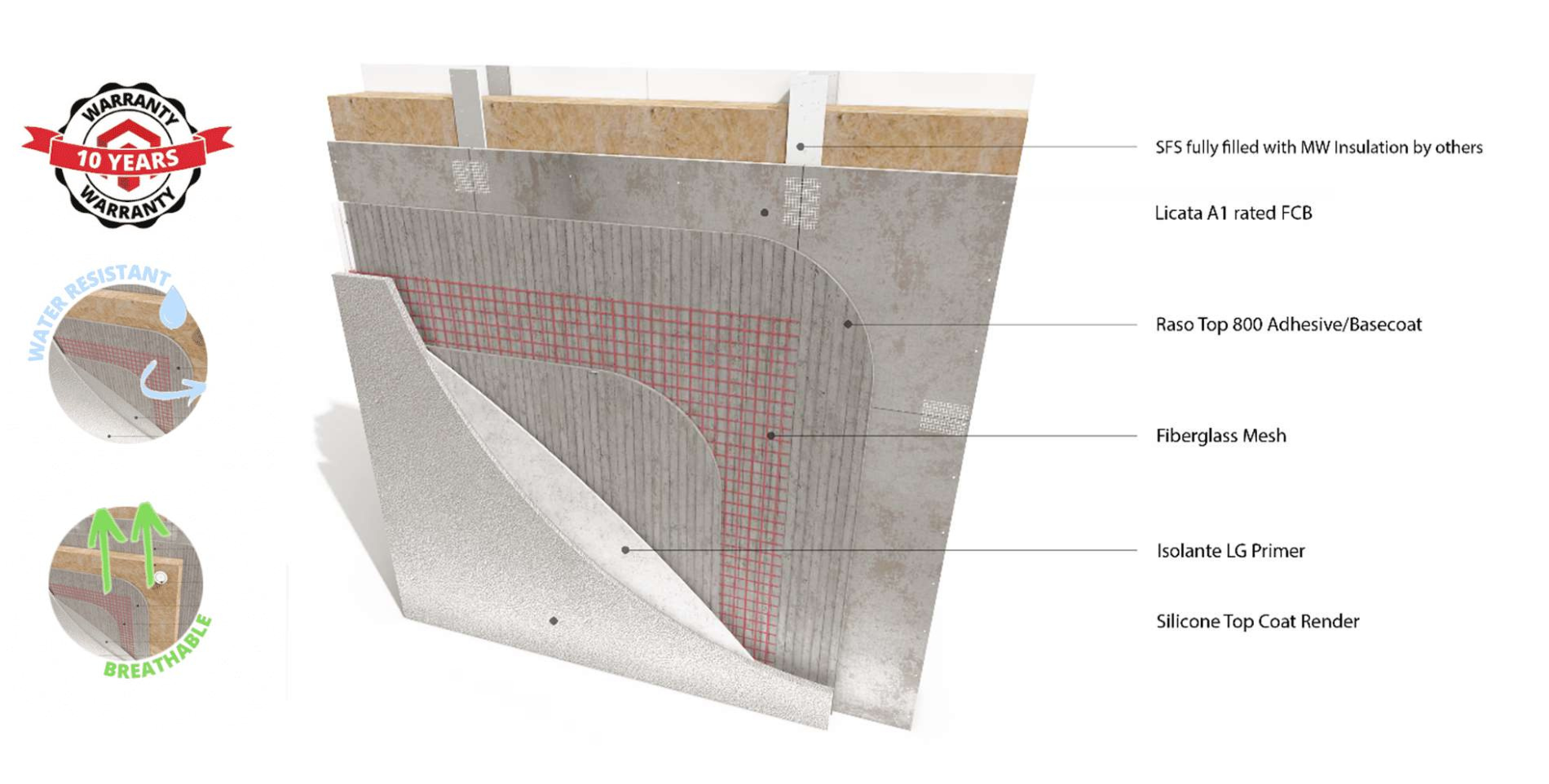
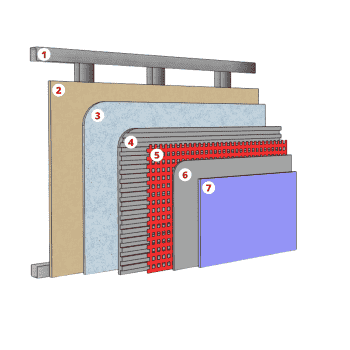
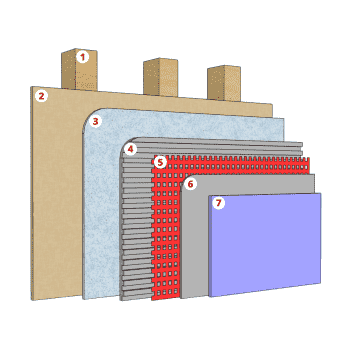
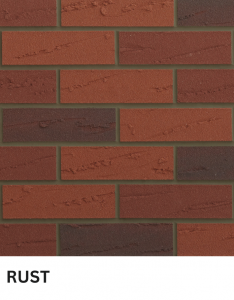
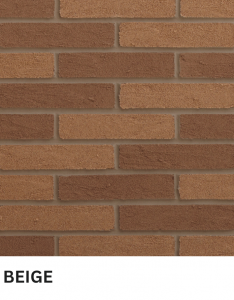
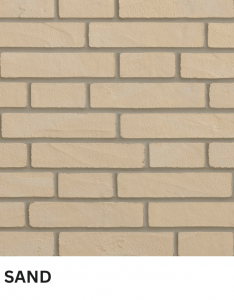
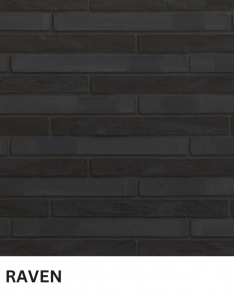
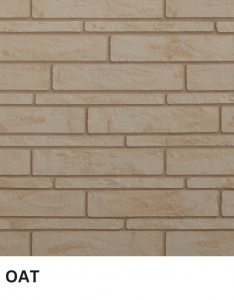
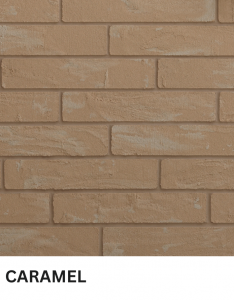
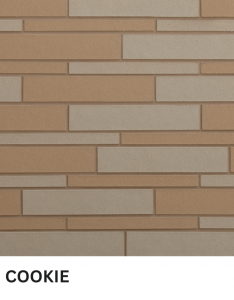
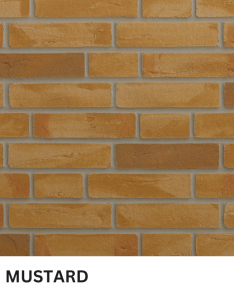
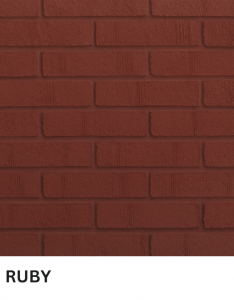
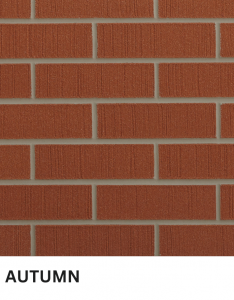
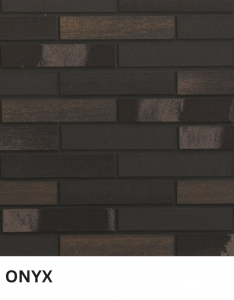
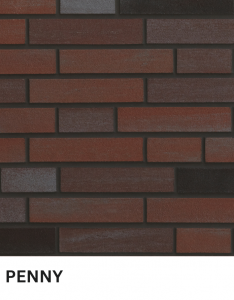
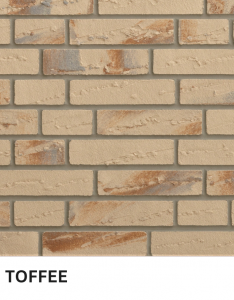
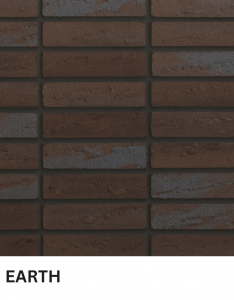
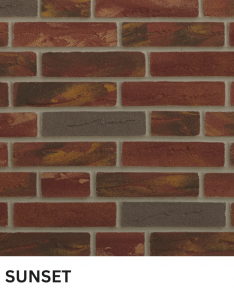
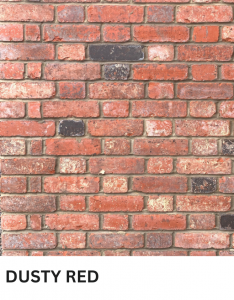
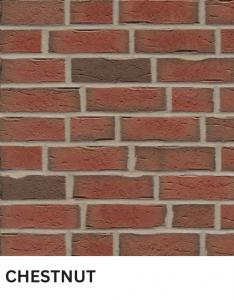
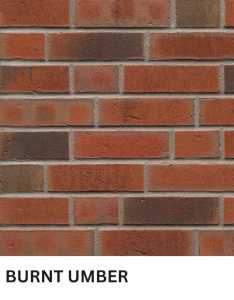
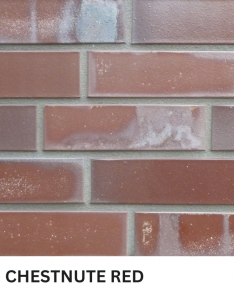
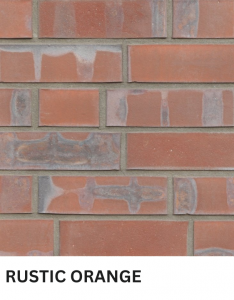
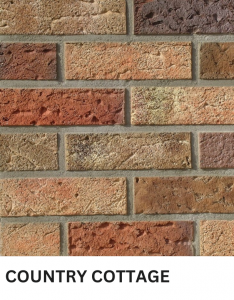
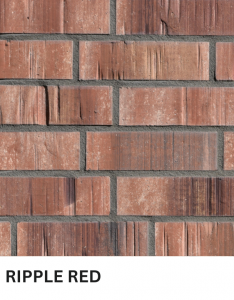
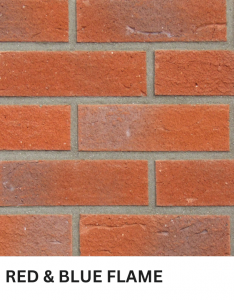
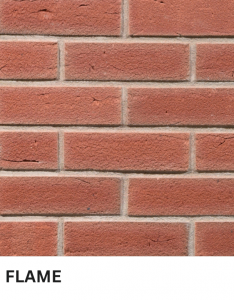
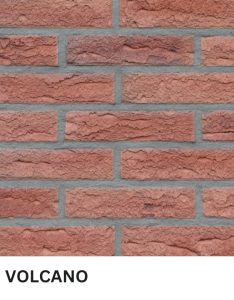
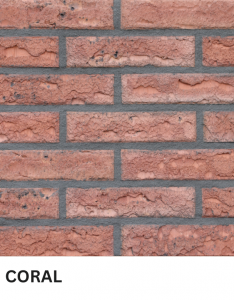
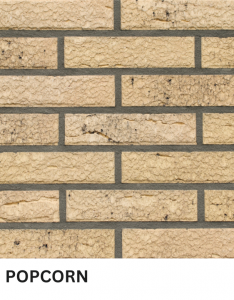
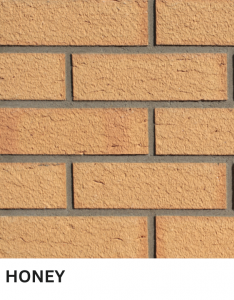
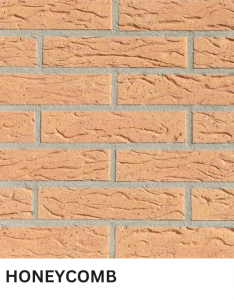
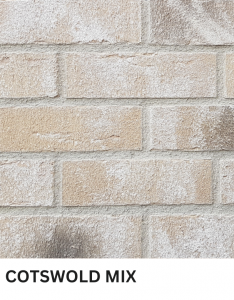
This render system offers a choice of products for the basecoat and decorative finish. Only one product from each section is required to complete the system. If clay brick slips are to be used as the decorative finish, an extra adhesive will be required (Super S1)
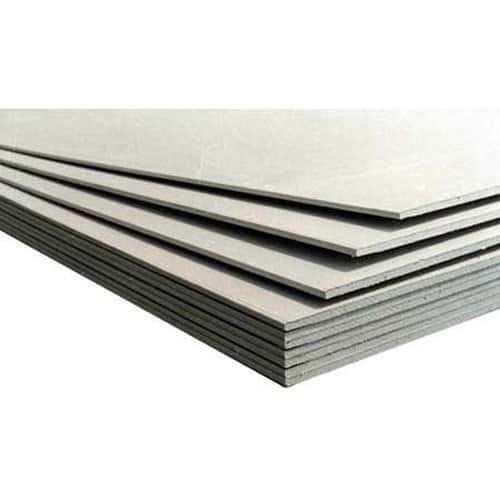
Cement Board

Aggrapante LG Primer
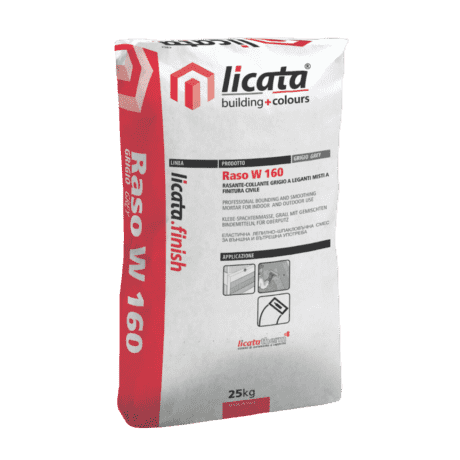
Raotop 800

Isolante LG Primer
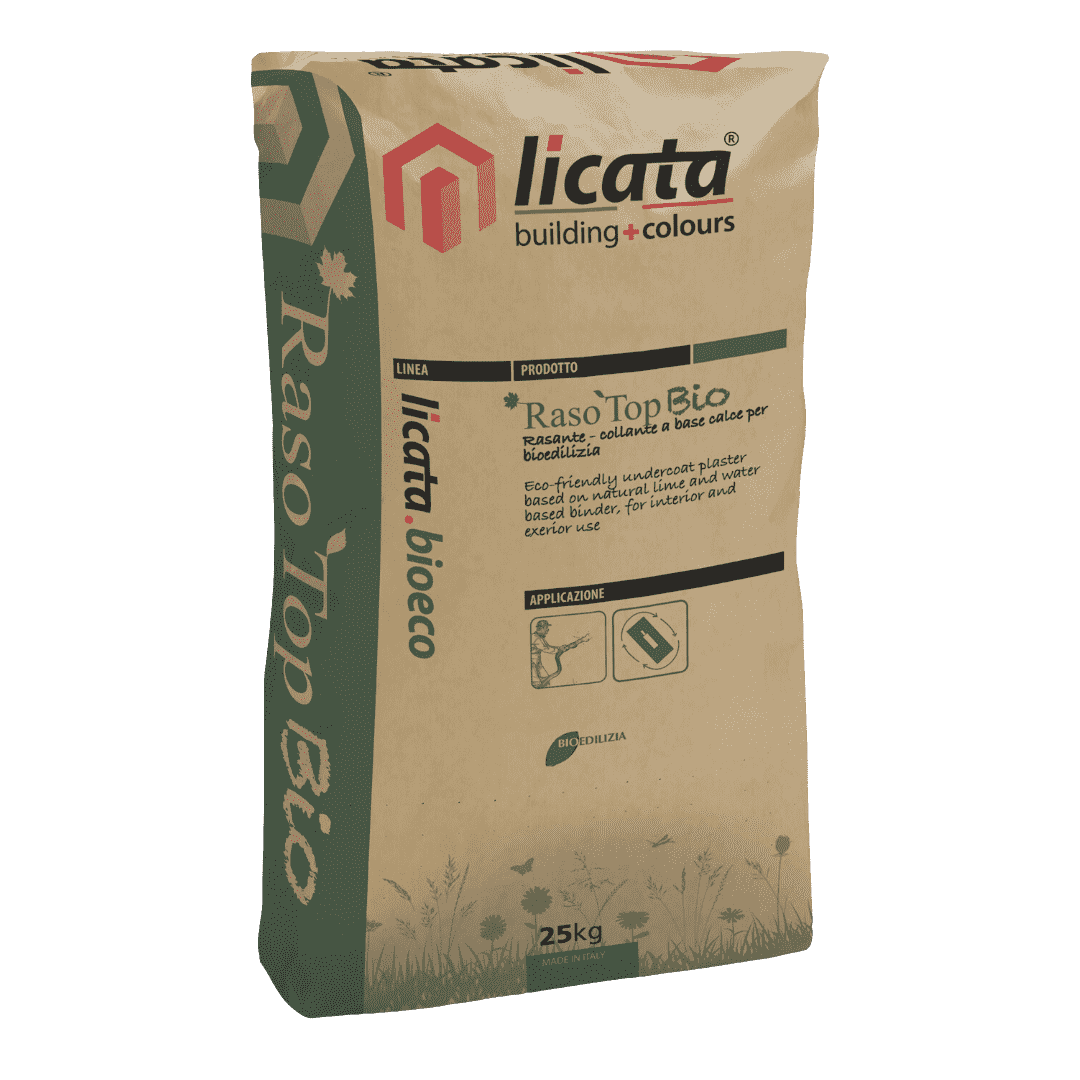
RASO TOP BIO
SILICATE RENDER
ACRYLIC RENDER
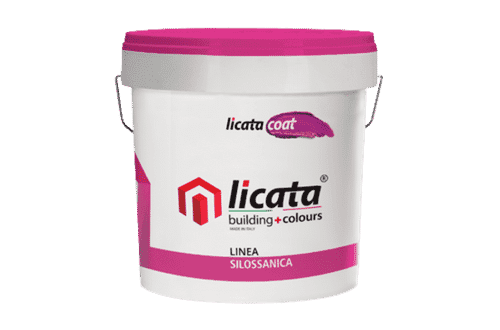
SILICONE RENDER

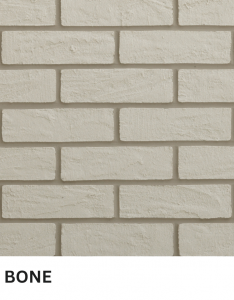
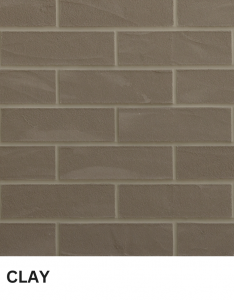
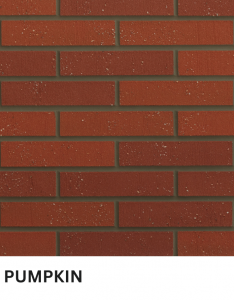
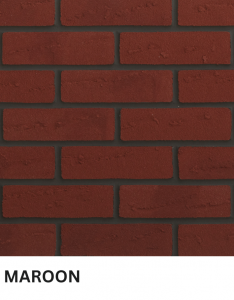
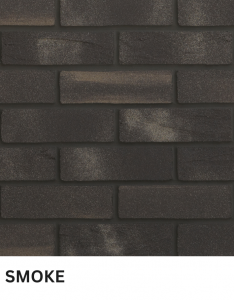
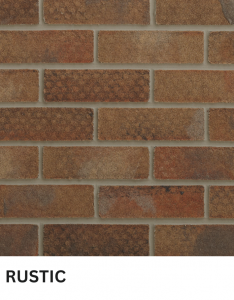
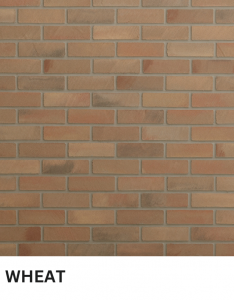
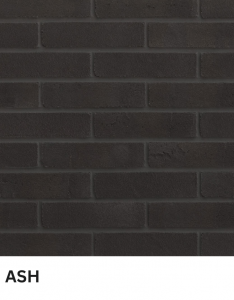
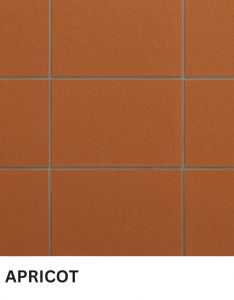
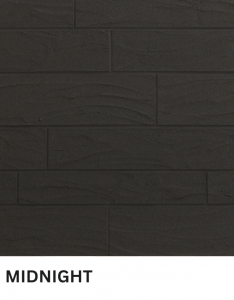
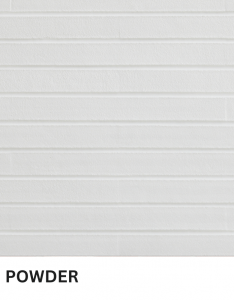
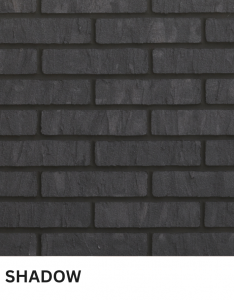
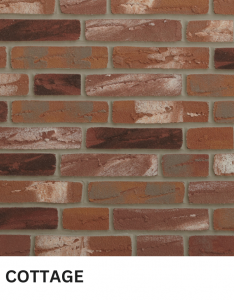
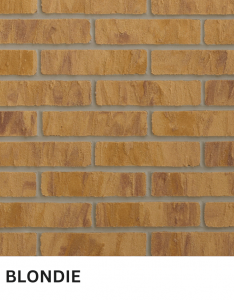
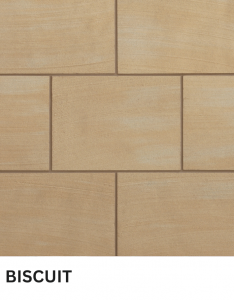
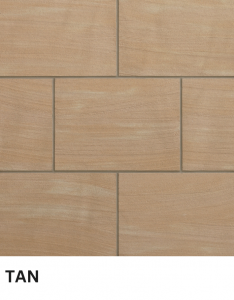
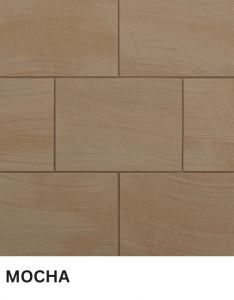
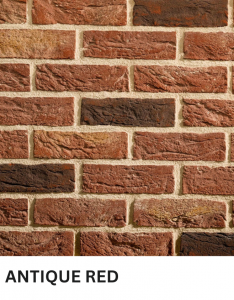
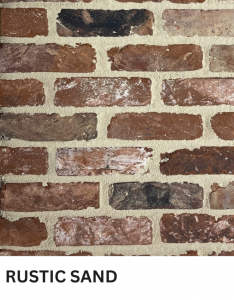
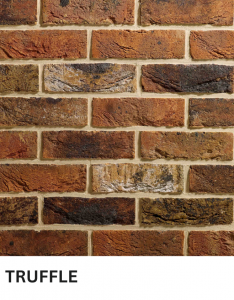
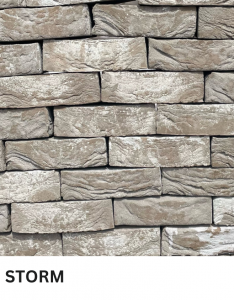
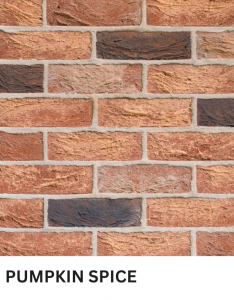
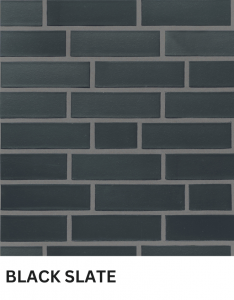
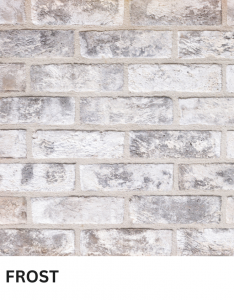
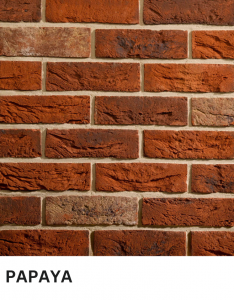
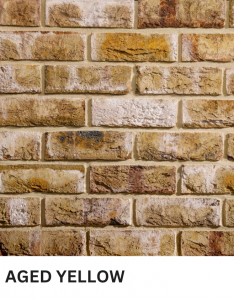
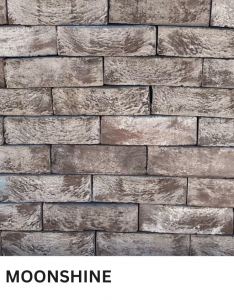
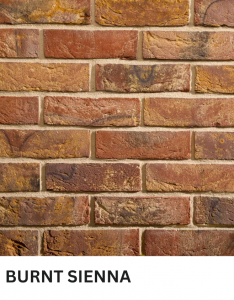
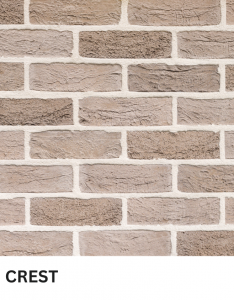
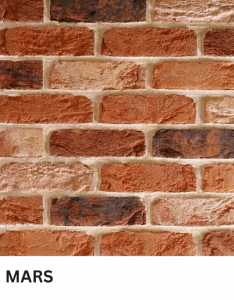
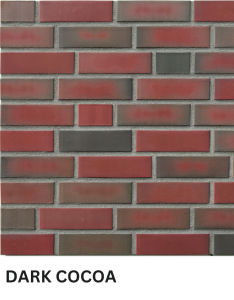
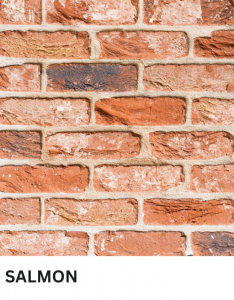
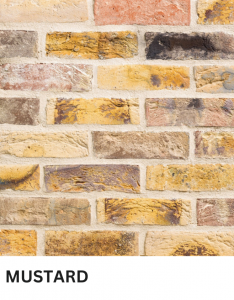
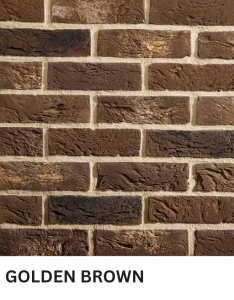
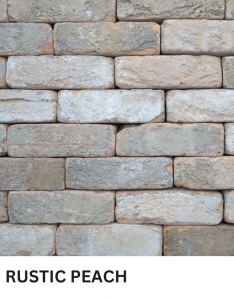
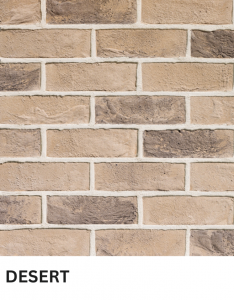
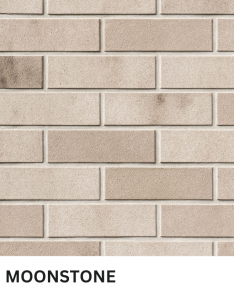
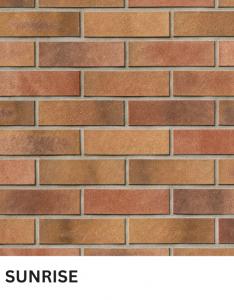
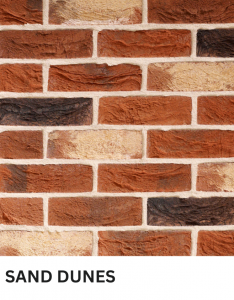
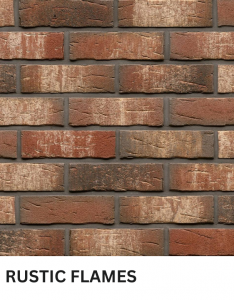
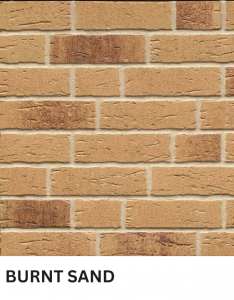
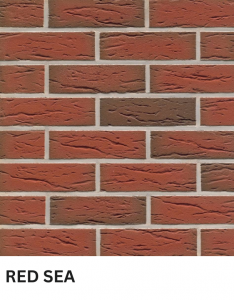
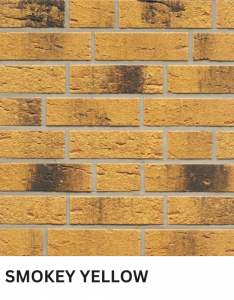
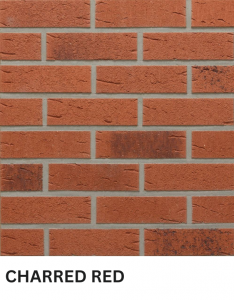
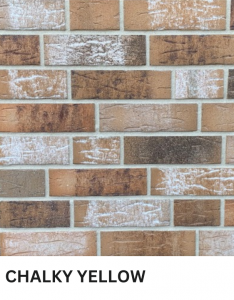
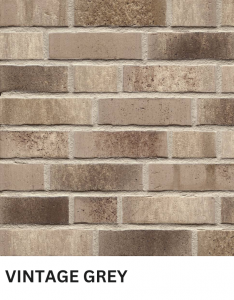
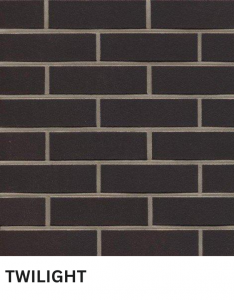
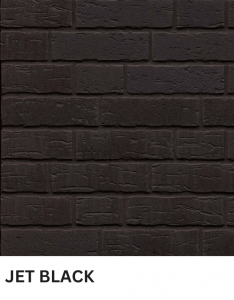
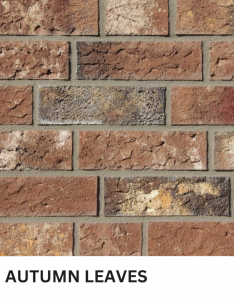
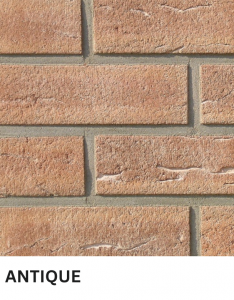
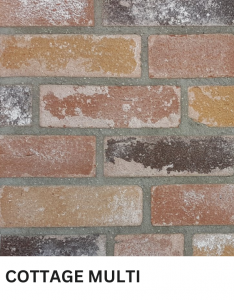
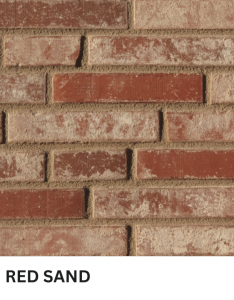
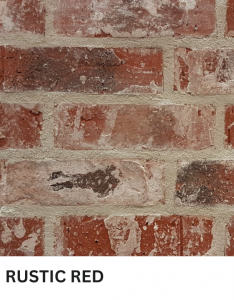
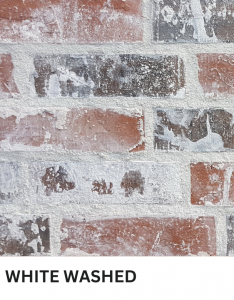
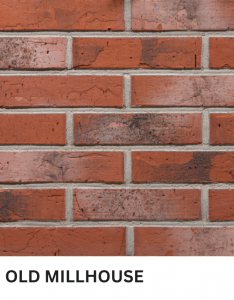
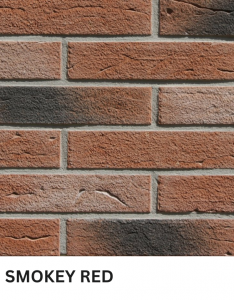
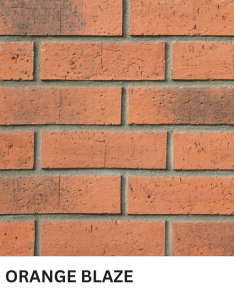
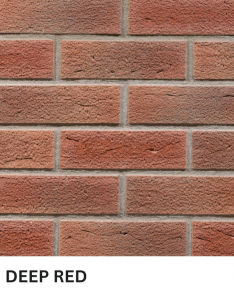
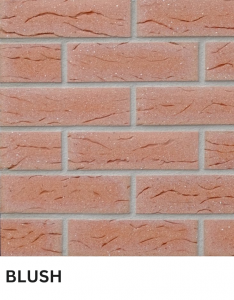
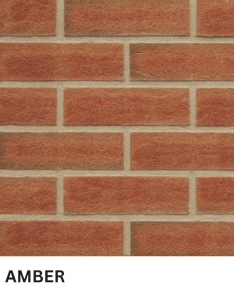
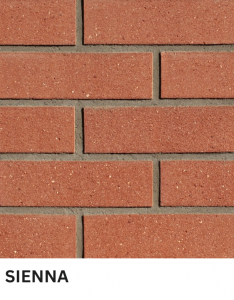
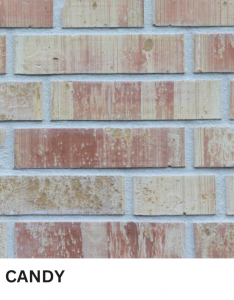
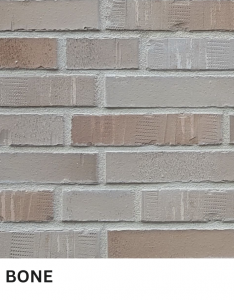
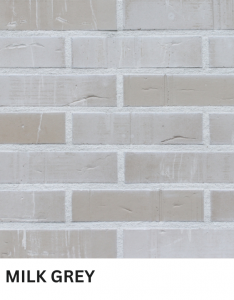
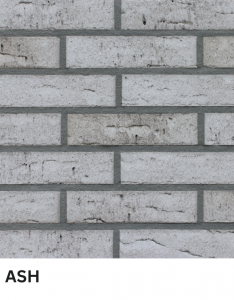
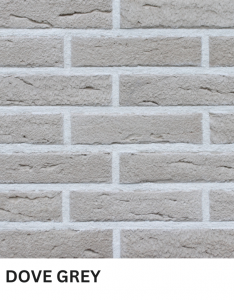
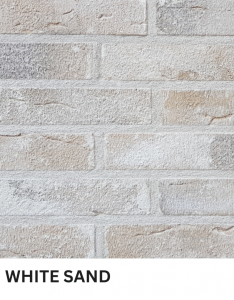
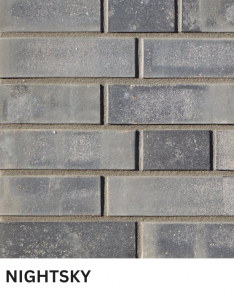
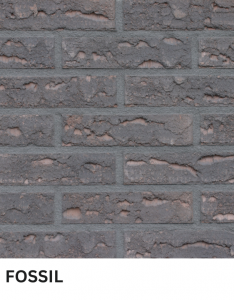
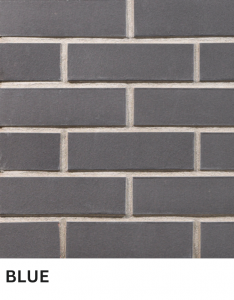
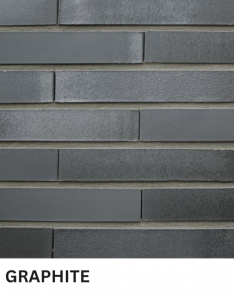
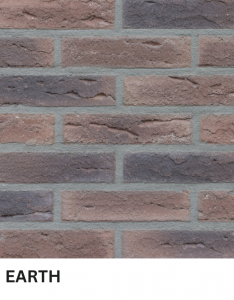
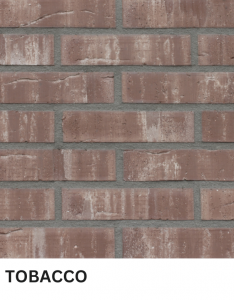
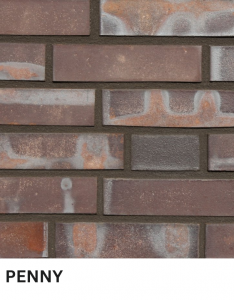
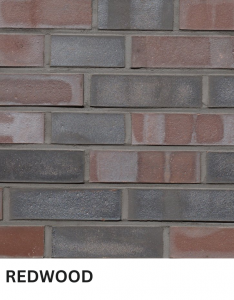
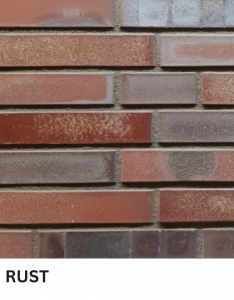
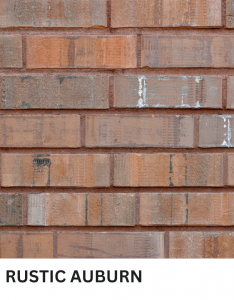
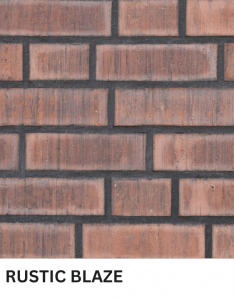
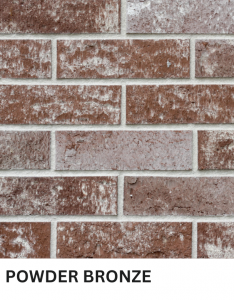
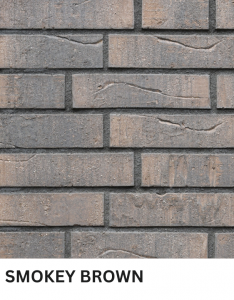
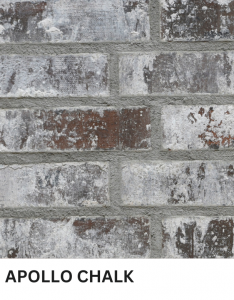
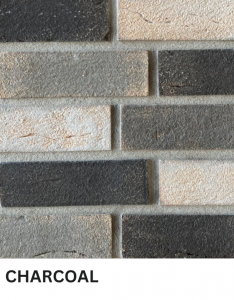




Cement board, or drywall as it is sometimes called, can be used as an exterior siding material for your house. It is also commonly used for interior walls. But what does it do? Cement board is a very durable material that has the ability to protect the inside of the wall from water damage and the outside from weathering. It does this by providing a barrier between the two parts of the wall. The cement board provides protection for any place where you might have plumbing or wiring, like in kitchens and bathrooms. It also has fire protection features and sound absorption features.
First and foremost, cement board is an excellent water-resistant material. It is resistant to the growth of mold and bacteria, which means that you won’t have to worry about any nasty smells or harmful substances being produced in your home. Cement board also has a long lifespan. It can last up to 50 years if it is used professionally. This means that it will not be necessary for you to replace it when the time comes. Another reason why cement board is so important is because it can be cut into different shapes and sizes. And because it is so easy to cut, you can use a variety of design techniques with it easily. It can also be installed quickly and efficiently, which means that you will save on both time and money when working with cement board for your project.
The most important advantage of using cement board is its affordability. Some may think that because it is not visually appealing, it would be expensive. However, this is not the case. It is a great alternative to more expensive materials such as bricks or tiles. In addition to being affordable, it also helps you make your project last longer and help you avoid wasting time and money. When using cement board, you will have a better chance at having a more durable project than if you used other materials (such as brick). Cement board can also help your project look better in the long run. It can help prevent water damage and make your construction project more resistant to mold growth.
Panel substrate render boards offer a highly versatile solution for various building applications. These render carrier boards are compatible with thin coat render systems, making them suitable for a wide range of properties, from residential to commercial builds. With their advanced properties, they provide a strong and durable foundation for both internal and external applications.
This combination of features makes panel substrate render boards a reliable option for a wide variety of building projects.
Thin coat render systems have become a popular choice in modern construction due to their efficiency and superior performance. These systems are especially effective when paired with render carrier boards, providing excellent results for external walls.
These features make thin coat render systems the perfect solution for both new builds and renovation projects, offering exceptional results in a fraction of the time.
The flexibility of render carrier boards allows them to be used across a variety of applications, making them an ideal substrate for both internal and external applications. Whether you’re working on a large-scale commercial building or a residential project, these boards provide a dimensionally stable and high-performance base.
Render carrier boards are often used in:
Their adaptability ensures they can be used across a variety of render systems, making them a highly practical option for many construction needs.
One of the major selling points of panel substrate render boards is their protective features. Designed to stand up to even the most extreme conditions, these boards help maintain the integrity of the building over time.
They are equipped with an alkali resistant mesh embedded within the system, which further improves the board’s overall strength and stability. This feature ensures that the render boards remain intact even when exposed to challenging weather conditions.
In addition to their impact resistance, these boards are also highly resistant to moisture, preventing issues like water damage, mould, and algae growth. This moisture resistance, paired with their fire resistance, makes them a top choice for high-performance building materials.
At Licata, we pride ourselves on delivering industry-leading solutions for all types of render systems. From panel substrate render boards to polymer modified render systems, our expertise ensures that your project benefits from the highest quality materials and professional support.
Whether you’re looking for advice on the best carrier board for your building or need guidance on implementing coat render systems, our team is here to help. With decades of experience, we ensure that your project is completed with precision and care.
Our panel substrate render boards are built to last, and you can expect decades of reliable performance when properly installed on steel or timber frame buildings. The cement bonded particle board construction featuring great durability means these carrier boards resist extreme weathering forces while maintaining structural integrity for 50 years or more.
When you install render carrier board systems from Licata on external walls, the water repellent surface combined with Portland cement composition ensures your external render board systems remain dimensionally stable through decades of temperature changes and moisture exposure, making our panel substrate render system a smart long-term investment.
Yes, you can install our render carrier boards during winter months, though the topcoat silicone render application requires careful timing. The cement board and base board installation works fine on steel and timber substrates year-round. However, for thin coat render systems and perfect coloured render finishes, choose application windows when temperatures stay above 5°C with no frost or rain expected for several days.
Our licata panel substrate board system offers flexibility for modern construction timelines. The sheathing boards and reinforcing mesh can be fitted in most weather, but polymer modified render systems and resin multi colour finishes need proper drying conditions for that smooth surface finish.
The ideal board thickness depends on your application, but for most external render systems on steel frame or timber frame structures, we recommend 12mm cement board. This provides a durable backing surface while remaining lightweight. For building false walls or internal and external applications needing extra fire resistance, thicker options up to 18mm offer enhanced thermal performance.
When selecting thickness for direct render applications, consider what the render system offers in final finish weight. Thinner boards work well for thin coat render systems with clay brick slips or coloured render finishes, while thicker base board options suit heavier system external applications on steel and timber substrates.
Our panel substrate render boards need minimal maintenance thanks to their durable and water repellent properties that resist extreme weathering effects. The alkali resistant mesh and fibre cement construction mean the boards themselves are virtually maintenance-free once installed. We recommend inspecting your render finishes annually, checking for any cracks or damage to the topcoat that could create a potential health hazard from moisture.
Unlike traditional render materials, our external render systems don’t require regular repainting. The boards exhibit first class adhesion, so you won’t see peeling. A simple visual inspection every 12 months is typically all that’s needed.
While our render carrier boards are designed for professional installation, experienced DIYers with good building knowledge can tackle simpler projects on timber frame or steel frame structures. The challenge isn’t fitting the carrier boards but ensuring proper preparation of external walls and correct application of thin coat render systems for that smooth surface finish.
If you’re determined to DIY, start with smaller areas like building false walls before attempting full external render applications. You’ll need to understand sheathing boards, ideal substrate preparation, and glass fibre mesh reinforcement. At Licata, we offer training courses teaching proper installation techniques for our cement board and thin coat systems to achieve enhanced kerb appeal.
Contact our sales and technical team for advice and information on our systems and products.
 Unit 6, Hampton Business Park Bolney Way, Twickenham TW13 6DB
 Monday - Friday: 7am - 5pm Saturday: 8am - 12pm
Unit 5, Brunswick Industrial Park London, N11 1JL
Monday - Friday: 7am - 5pm Saturday: 8am - 12pm
Unit 4, Schooner Park Schooner Court, Dartford DA2 6NW
Monday - Friday: 7am - 5pm Saturday: 8am - 12pm
Unit 17 Frankley Industrial Estate, Frogmill Rd, Rubery, Birmingham B45 0LD
Monday - Friday: 7am - 5pm Saturday: 8am - 12pm
Unit 6C Stanley Green Trading Estate, Stanley Road, Cheadle Hulme, SK8 6RB
Monday - Friday: 7am - 5pm Saturday: 8am - 12pm
Shades House, Hodgson Way, Wickford, Essex, SS11 8yd
Opening Soon