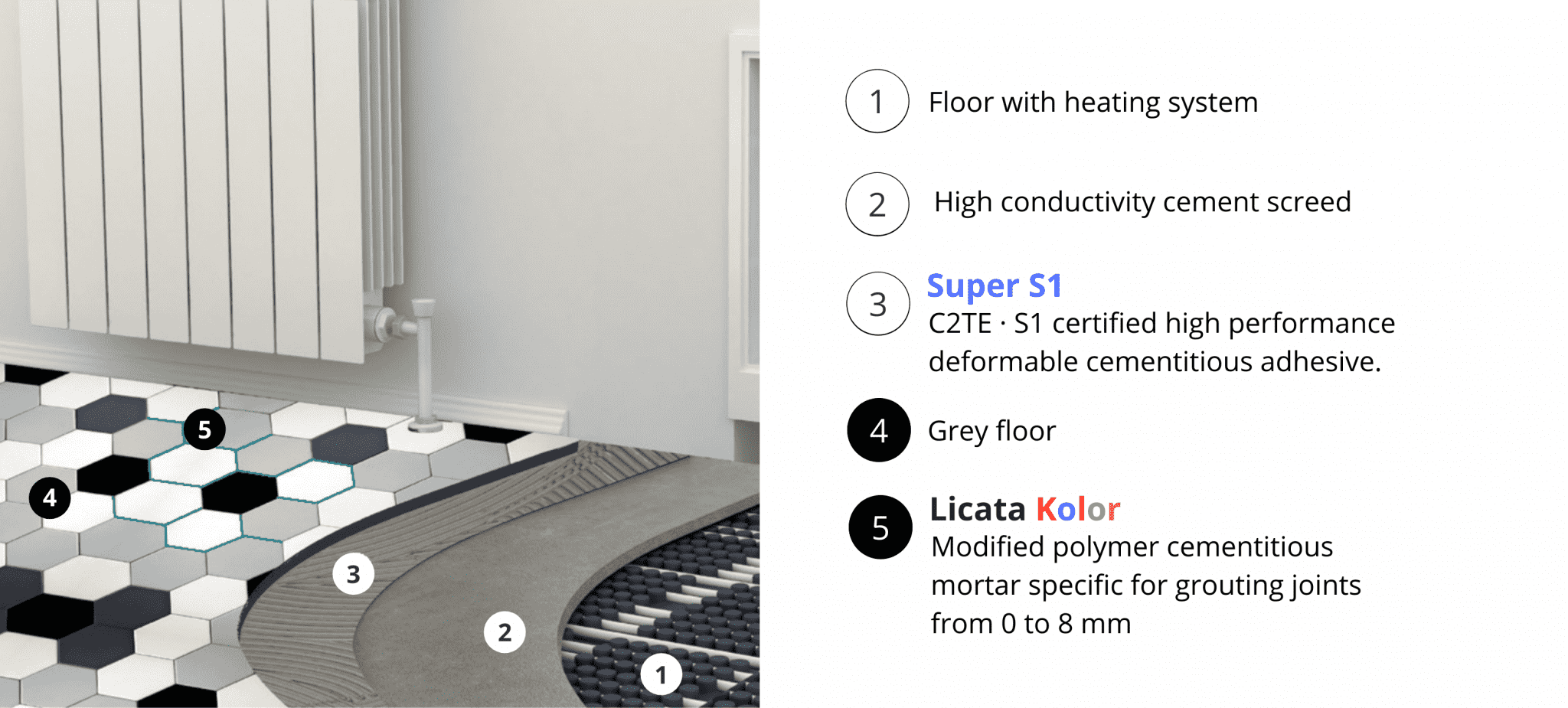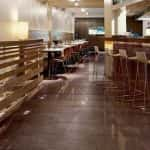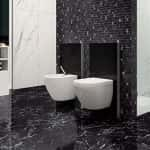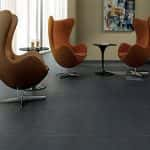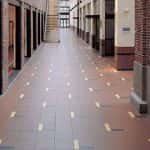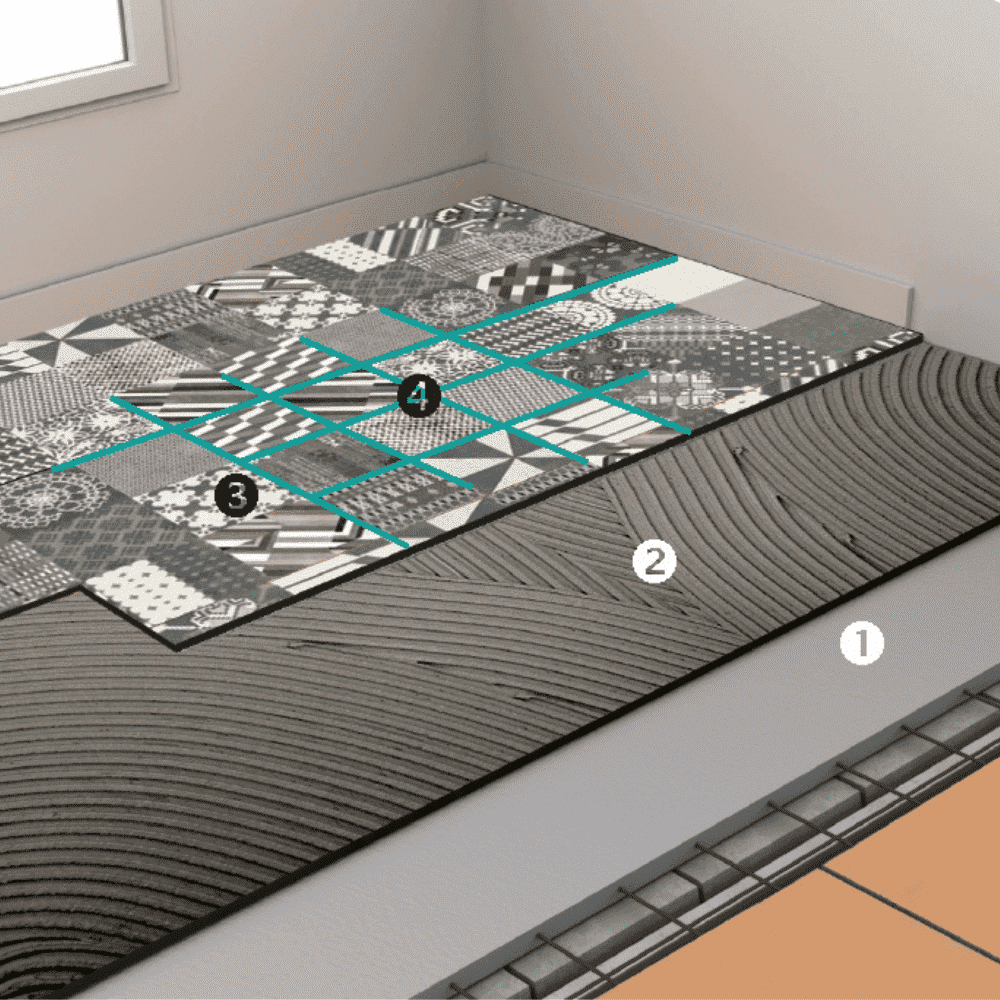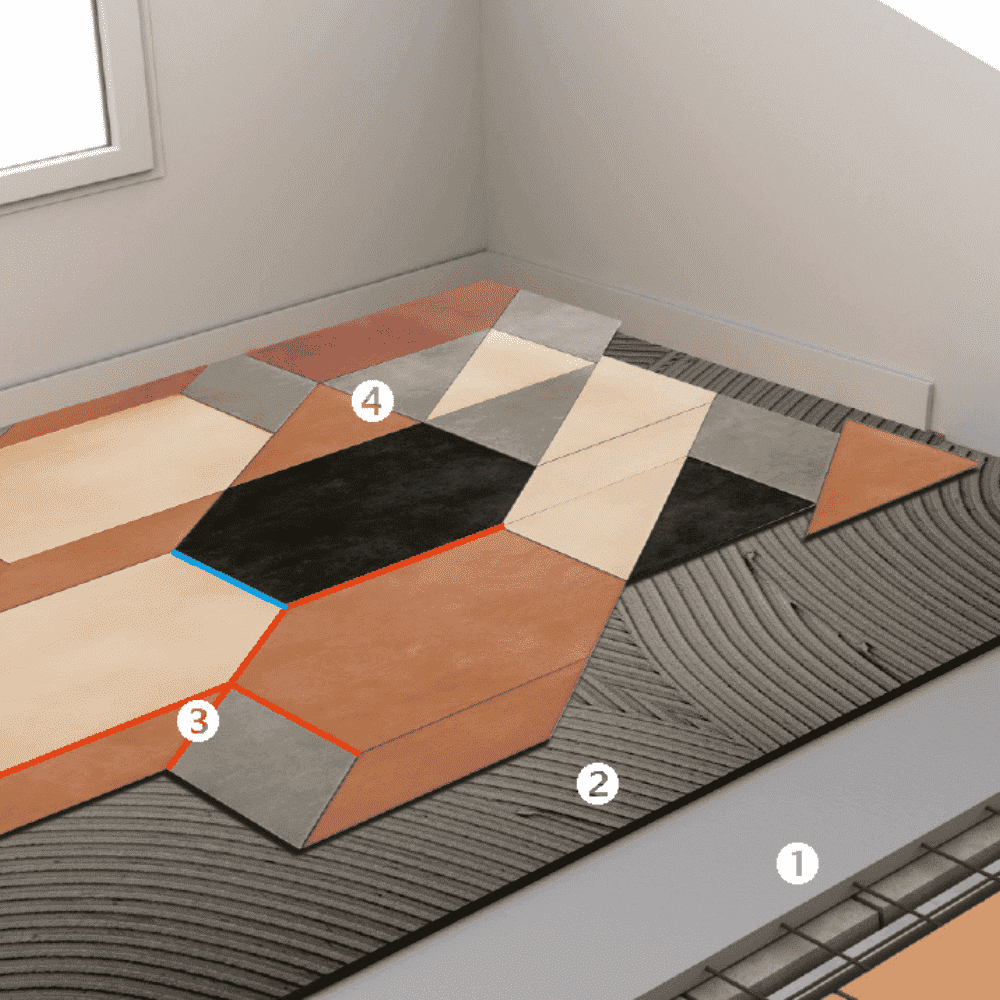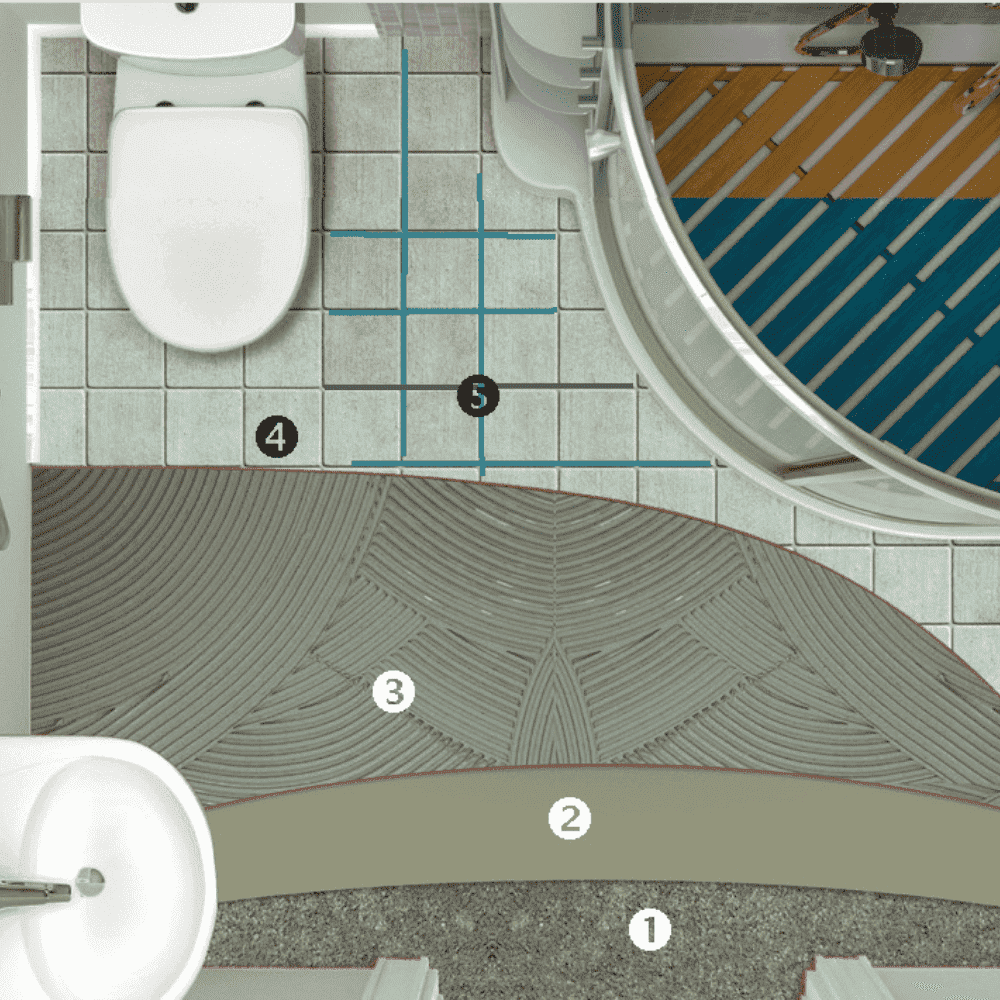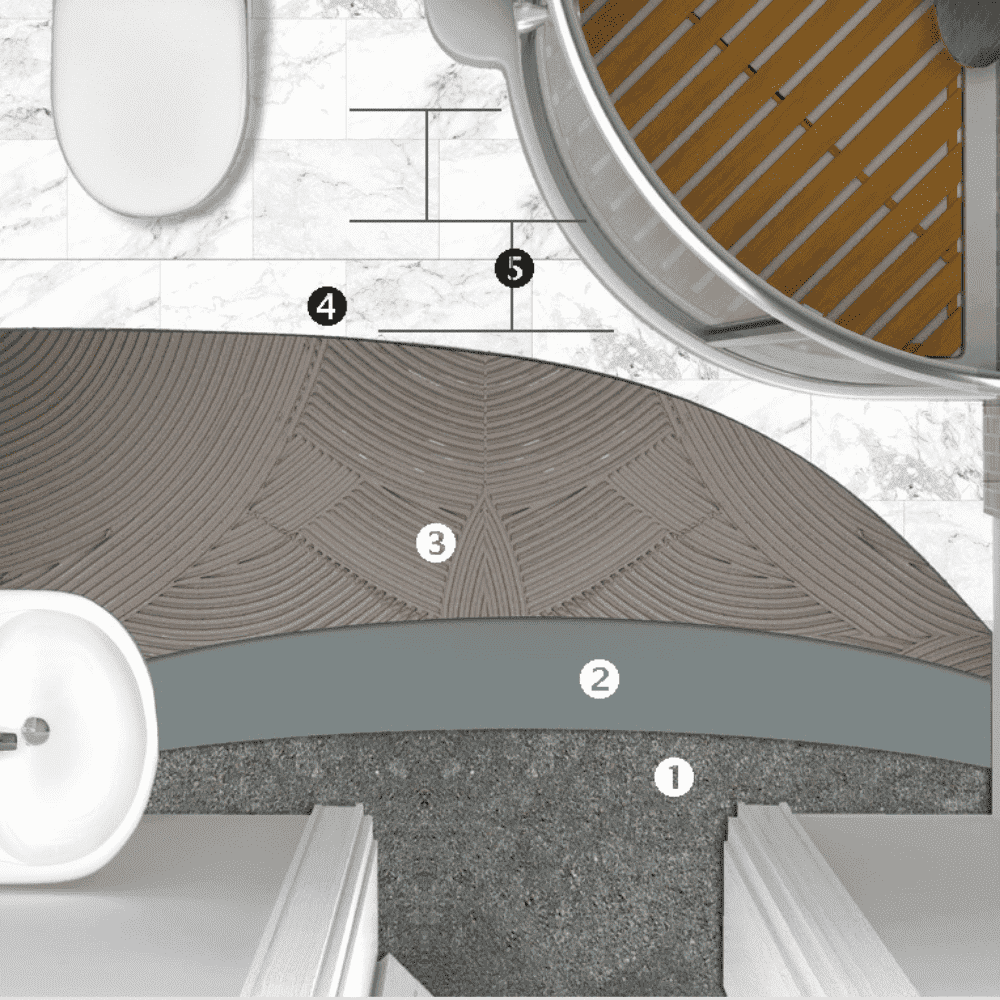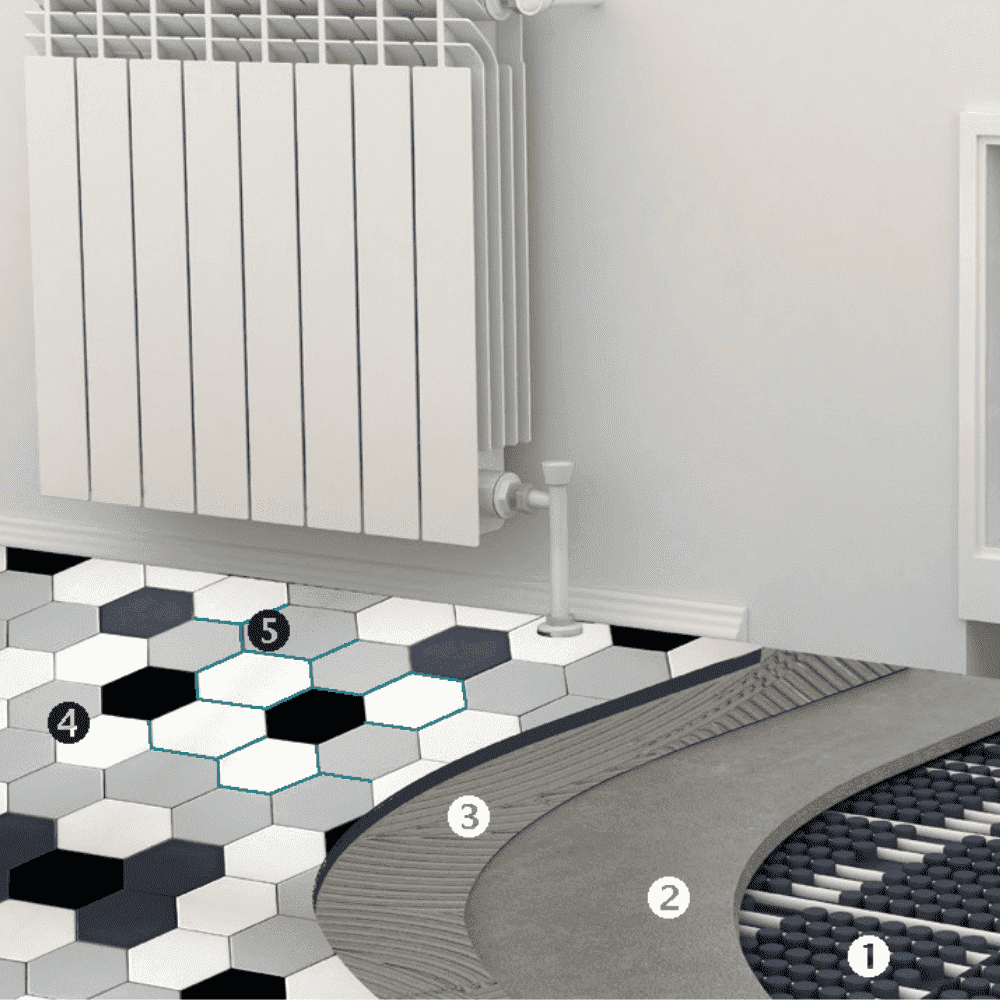
Super S1 System

Super S1 System 2048x925 1

System Products

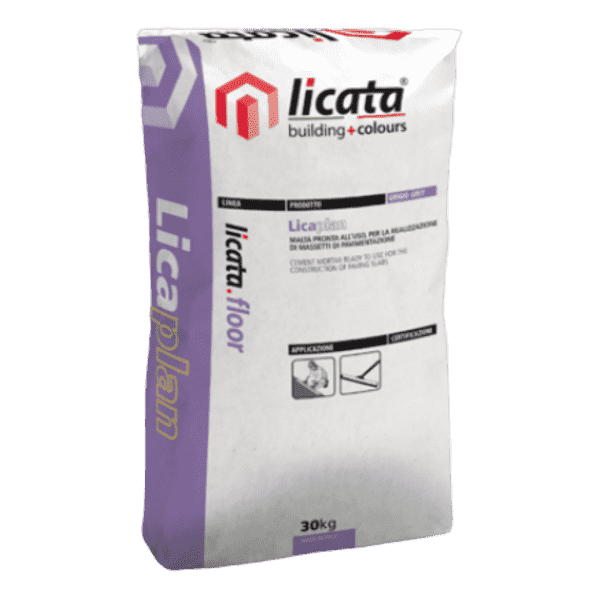
LICA PLLAN

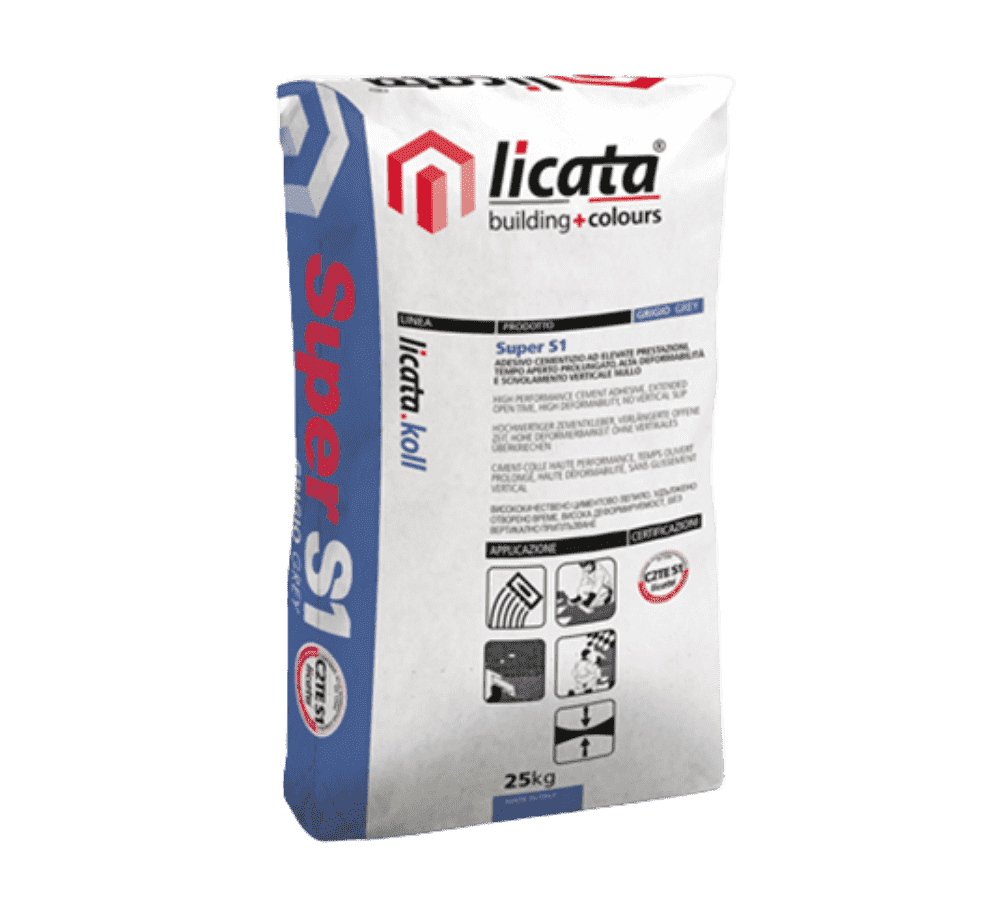
SUPER S1

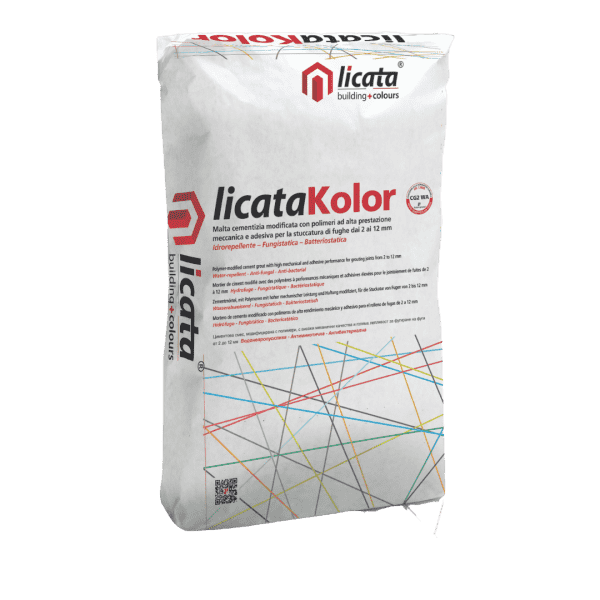
LICATA KOLOR GROUT

Tiles Range

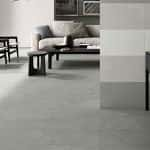
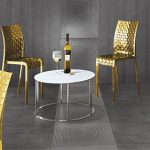
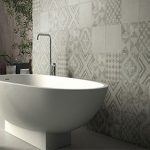
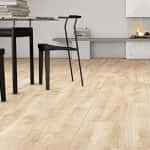
Create a stunning look of your space with our super hard-wearing Porcelain Tiles. Visit our showrooms or explore our premium tile collections suitable to your lifestyle at www.italianporcelaintiles.co.uk

Metallic

Marble

Contemporary

Granito

Citta

Cemento

Beton

Opus

Manhattan

Wood

More Tile Fixing Systems

9 1

FLEX PLUS SYSTEM

10 1

FAST 360 SYSTEM

11 1

FAST 360 + HYDRO MONOELASTO SYSTEM

13 1

SUPER S1 + HYDRO MONOELASTO SYSTEM

More Tile Fixing Systems

9 1

FLEX PLUS SYSTEM

10 1

FAST 360 SYSTEM

11 1

FAST 360 + HYDRO MONOELASTO SYSTEM

12 1

SUPER S1 SYSTEM

13 1

SUPER S1 + HYDRO MONOELASTO SYSTEM

Frequently Asked Questions (FAQs)

S1 adhesive is used to bond a wide range of tile types including porcelain tiles, vitrified floor tiles, and natural stone tiles on interior and exterior surfaces. It’s commonly applied in floor areas, exterior walls, wet areas and even swimming pools, thanks to its high grab and flexible S1 formulation.

At Licata, our S1 adhesive is perfect for plaster substrates, sand render, painted substrates, and other construction boards when installed over a correctly prepared substrate. For roofing grade asphalt or bituminous systems, we recommend applying a suitable waterproof coating prior to fixing.

Yes, our flexible S1 adhesive is compatible with underfloor heating systems and electric undertile heating cables. It works well with calcium sulphate screeds and floor substrates, provided there is a suitable moisture stable board in place and the surface temperature is within the recommended range.

Before tiling over underfloor heating, ensure the floor is suitably flat and primed with Mapei plaster primer. Always use a suitable notched trowel ensuring good adhesive contact across the adhesive bed, particularly when fixing natural stone or lighter coloured stone.

Very porous surfaces, shiny plaster walls, and dry interior wall areas should be primed before applying any cement based adhesive. At Licata, we advise using Mapei plaster primer or Mapei flexible additive depending on the wall substrate ensuring full adhesion.

Plaster skim coats, painted surfaces, and areas with surface laitance prior to tiling should also be treated with care. A light sanding is recommended to remove plaster droppings or loose and flaking areas, followed by priming to create a strong bond for the tile adhesive.

Yes, our flexible S1 adhesive is designed for high grab installation of synthetic stone, natural stone tiles, and quarry tiles. It provides a deformable cement based adhesive bed that’s ideal for absorbing minor movement in concrete substrates and plaster substrates.

When installing lighter coloured stone, always ensure the tile adhesive is suitable to prevent staining. It’s also best to use a suitable waterproof membrane prior to fixing in wet zones like shower blocks and shower areas to protect both substrate and finish.

Our S1 adhesive is ideal for commercial premises, especially in floor tile adhesive applications where heavy footfall is expected. It performs reliably in interior and exterior wall applications, including shopping centres, hotel floors, and busy walkways.

For tiles such as brick slips, vitrified floor tiles or porcelain rapid set mixed options, make sure the wall substrate is clean, sound, and free from loose or friable areas. Always use a clean mixing bucket, and apply using a suitable notched trowel to ensure good adhesive contact.

Ensure all floor boards, calcium sulphate based screeds, or construction boards are securely fixed and free of dust or plaster droppings. Surfaces should be primed where needed and loose and flaking areas should be removed.

Use a suitable levelling compound if the surface is not flat, and prime with the appropriate Mapei product. When using our floor tile adhesive or applying over adhered paint, remove tiles occasionally during fixing to check for tile slip and verify proper adhesive bed depth.